The Bridge of Louis Philippe by Guillaumin, Jean-Baptiste-Armand
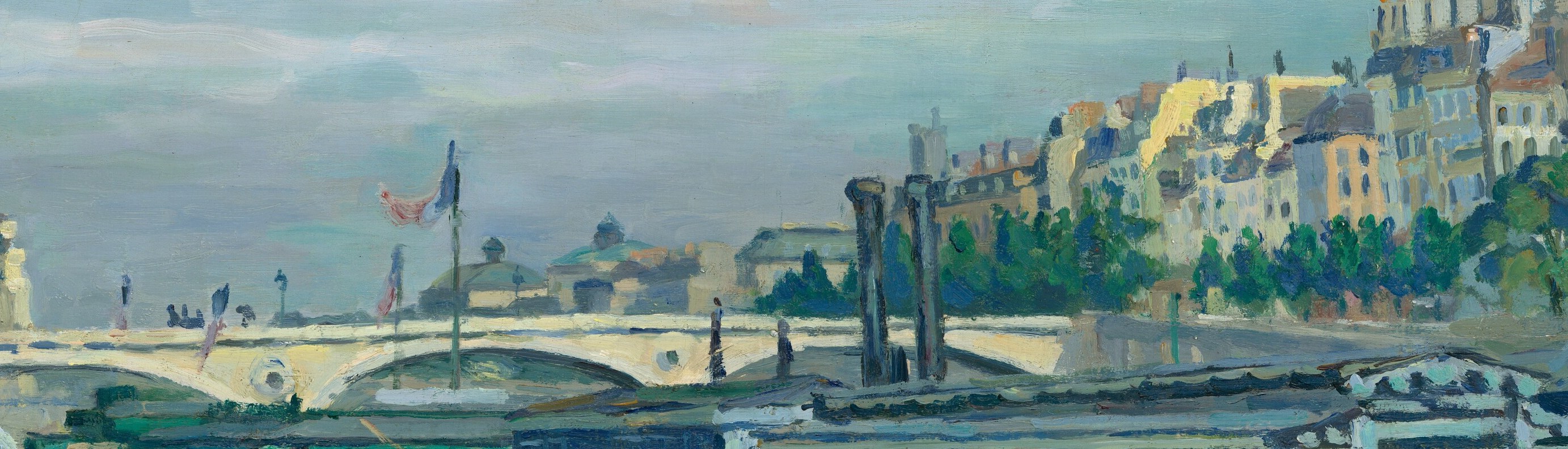
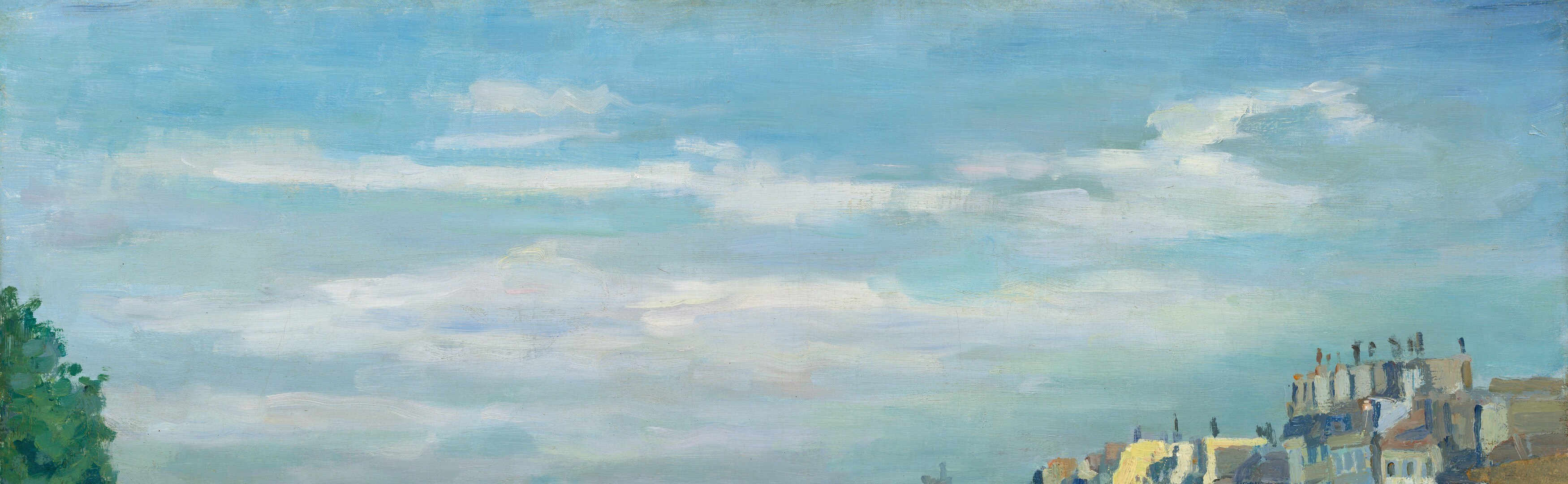
This is The Bridge of Louis Philippe, painted in 1875 by Jean-Baptiste-Armand Guillaumin. It hangs today in the Musée d'Orsay, but it records a Paris that tourists rarely notice: a working river.
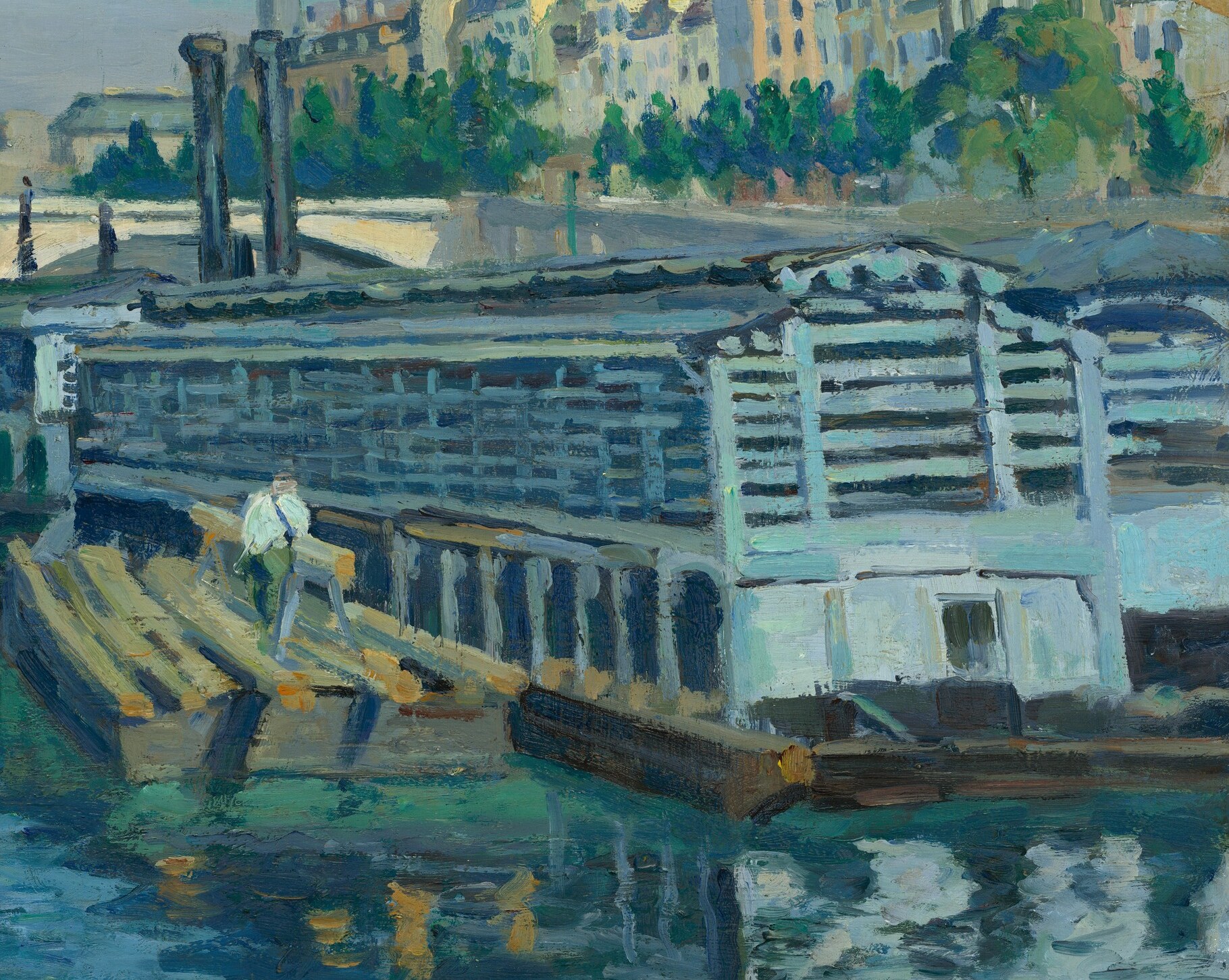
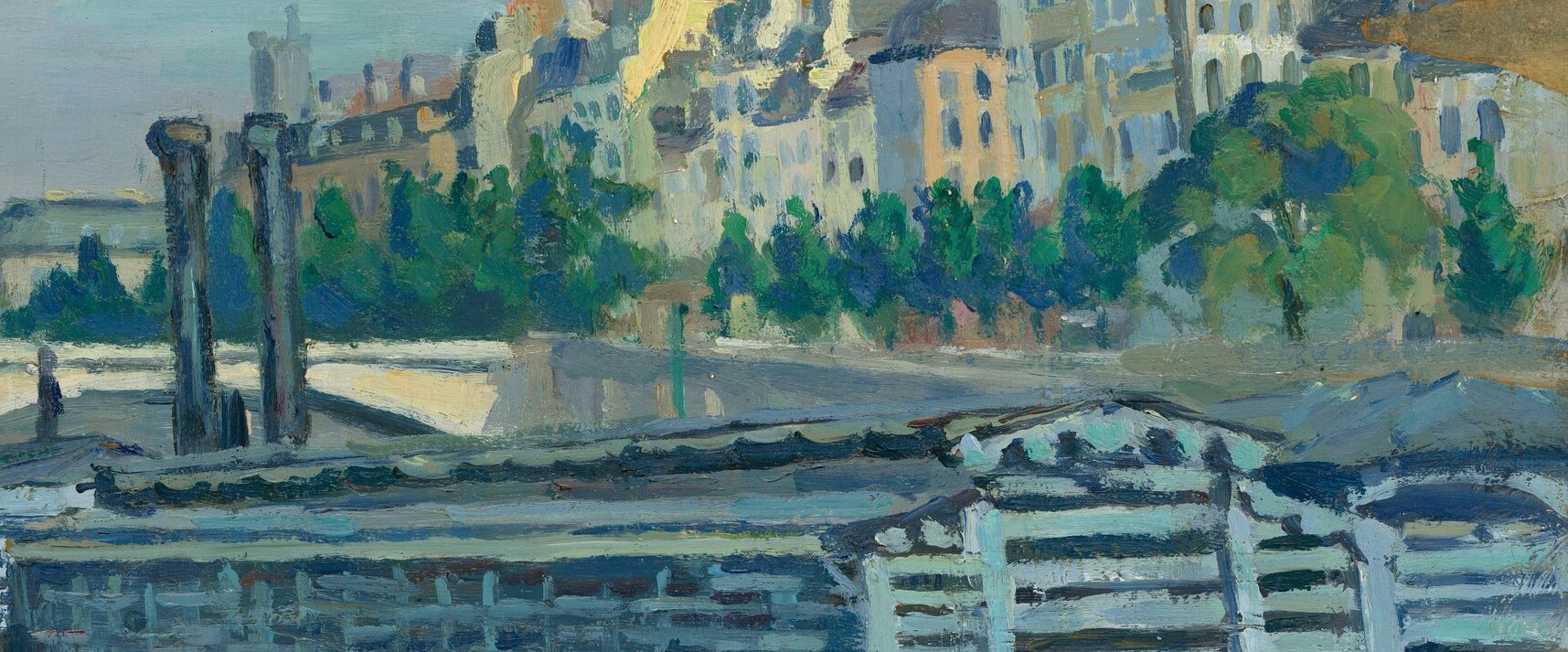
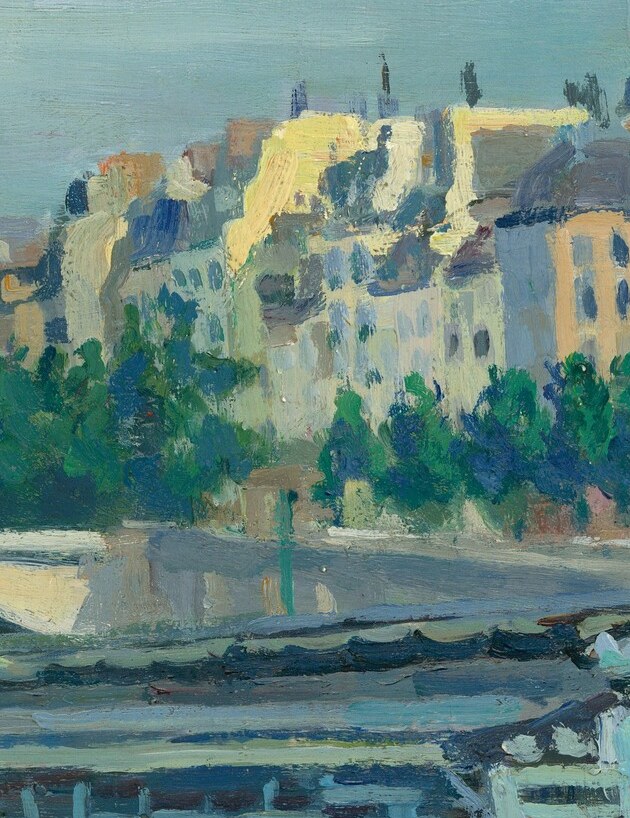
The eye goes to the massive stone arches and the Haussmann-era skyline, but the real story sits low on the water. The dark barges moored on the right are not empty cargo carriers. If you push in on the rooftops, you see cabins, laundry lines, domestic structures. People lived on these boats.
In the 1870s, the batelier class formed a distinct community on the Seine. They transported goods into the city and made their homes aboard the vessels that carried them. Guillaumin gives them no fanfare, just a quiet factual presence at the edge of a modernising capital.
The bridge itself was new, rebuilt in stone just a decade earlier. Guillaumin records a city in transition, where monumental public works and an older, river-borne way of life still shared the same grey-green water.
Details
Transcript
Paris, 1875. The city is remaking itself. Haussmann's new bridge connects two worlds. But the real life is down here. Look at the rooftops of the barges. That is not cargo. Those are homes. Whole families lived and worked on these boats. The Seine was a floating village, not a postcard.