Mt. Katahdin, Maine, No. 2 by Marsden Hartley
In the summer of 1978, a thief slipped Marsden Hartley's "Mt. Katahdin, Maine, No. 2" off its stretcher at the Metropolitan Museum of Art. He folded the canvas, tucked it under his coat, and walked out. The painting was missing for three days before an anonymous tip led police to an apartment on Manhattan's Upper East Side. The work was recovered unharmed, and the empty frame was filled again.
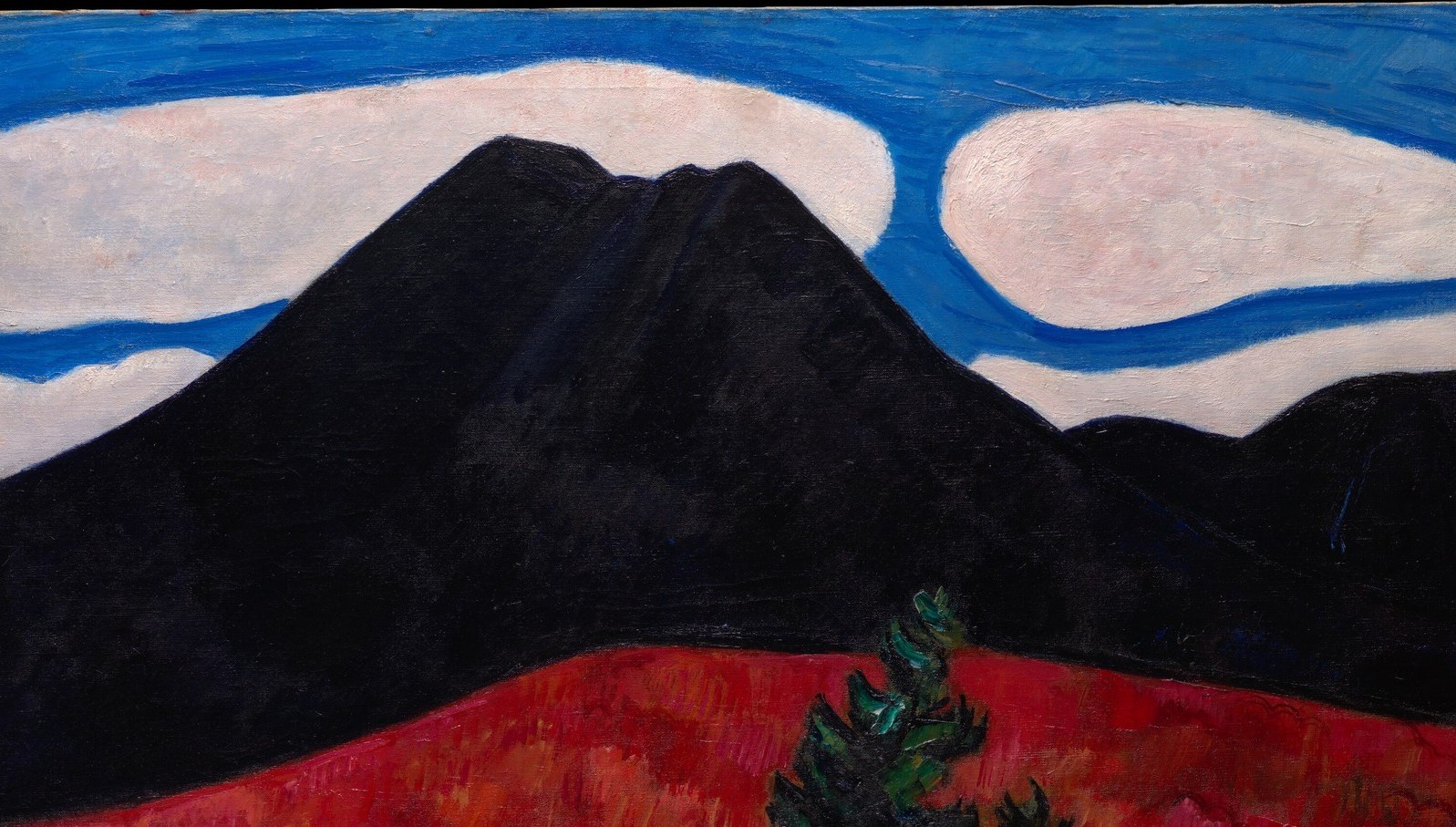
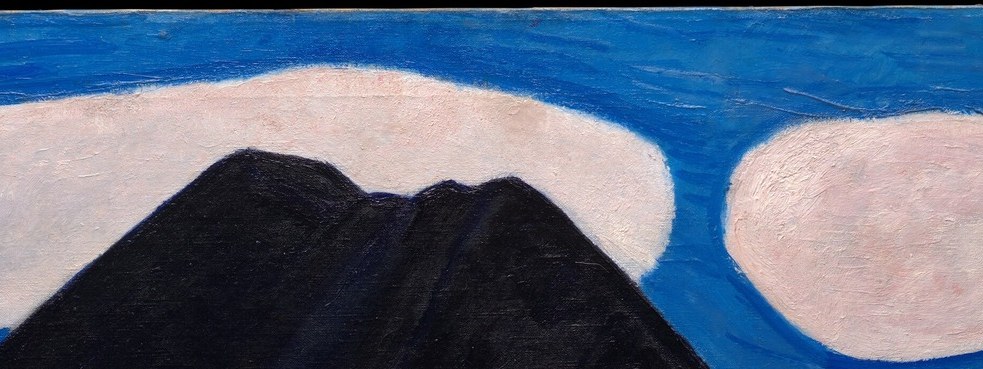
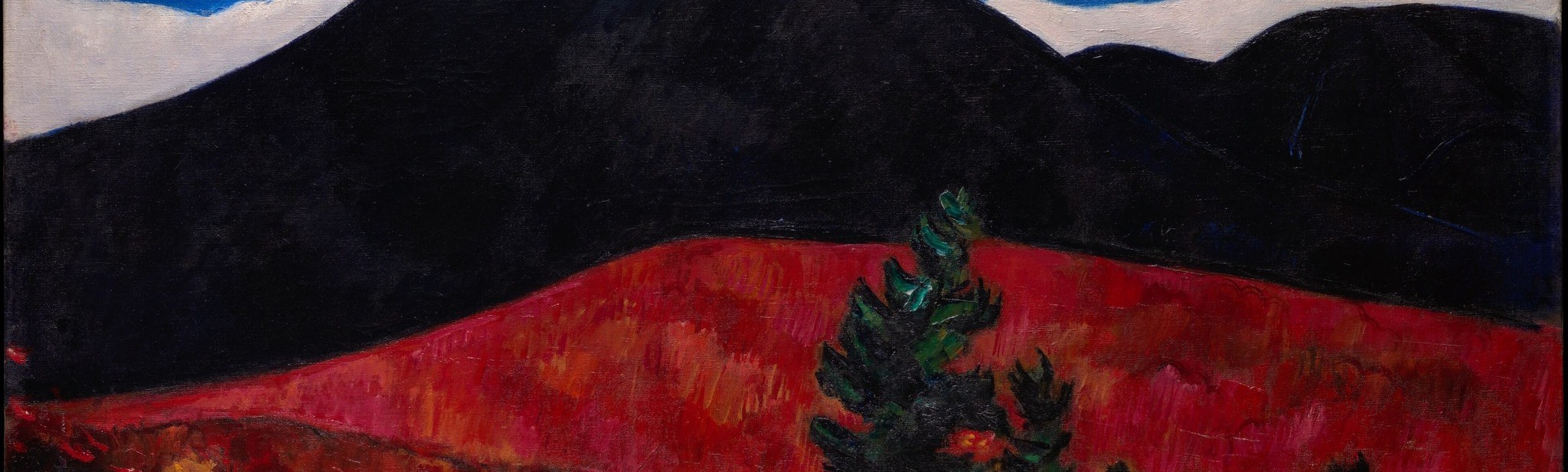
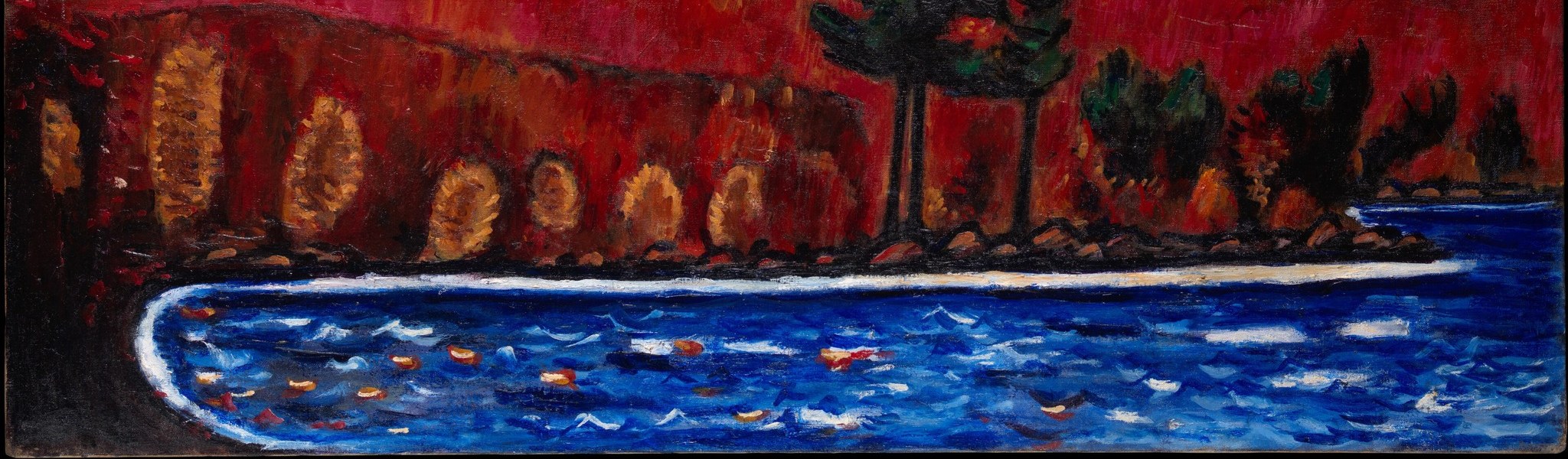
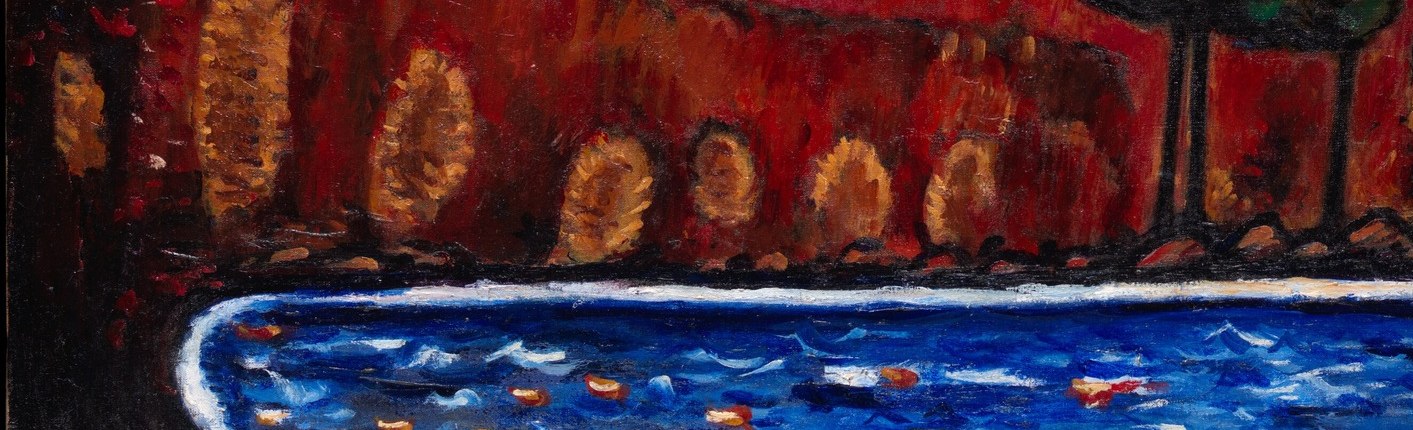
Look at how Hartley built the mountain. The summit is nearly a silhouette, a blunt dark plateau pressing against white clouds that he painted as solid as stone. Below, cadmium red foothills burn against a black lake. The only real movement in the whole painting is a handful of whitecaps on the water. Everything else is weight.
Hartley was born in Maine, left for Europe and fell in with the avant-garde in Paris and Berlin. He came back to his home state in the late 1930s and spent his final years painting Katahdin again and again. This was not nostalgia. He was after something harder: a landscape stripped of charm, turned into pure emotional force.
A painting this heavy was almost carried out under an arm. What do you think the thief saw in it?
Details
Transcript
In 1978, a man walked into a museum and stole a painting. He cut it from its frame while guards stood two rooms away. The mountain itself feels like a dark, heavy symbol. Hartley painted Katahdin not as pretty scenery but as raw power. He returned to Maine late in life to wrestle with this peak in paint. For three days, the empty frame hung in the gallery.