Agnes Gordon Cochran Higginson (Mrs. Stephen Higginson) by Fuller, George
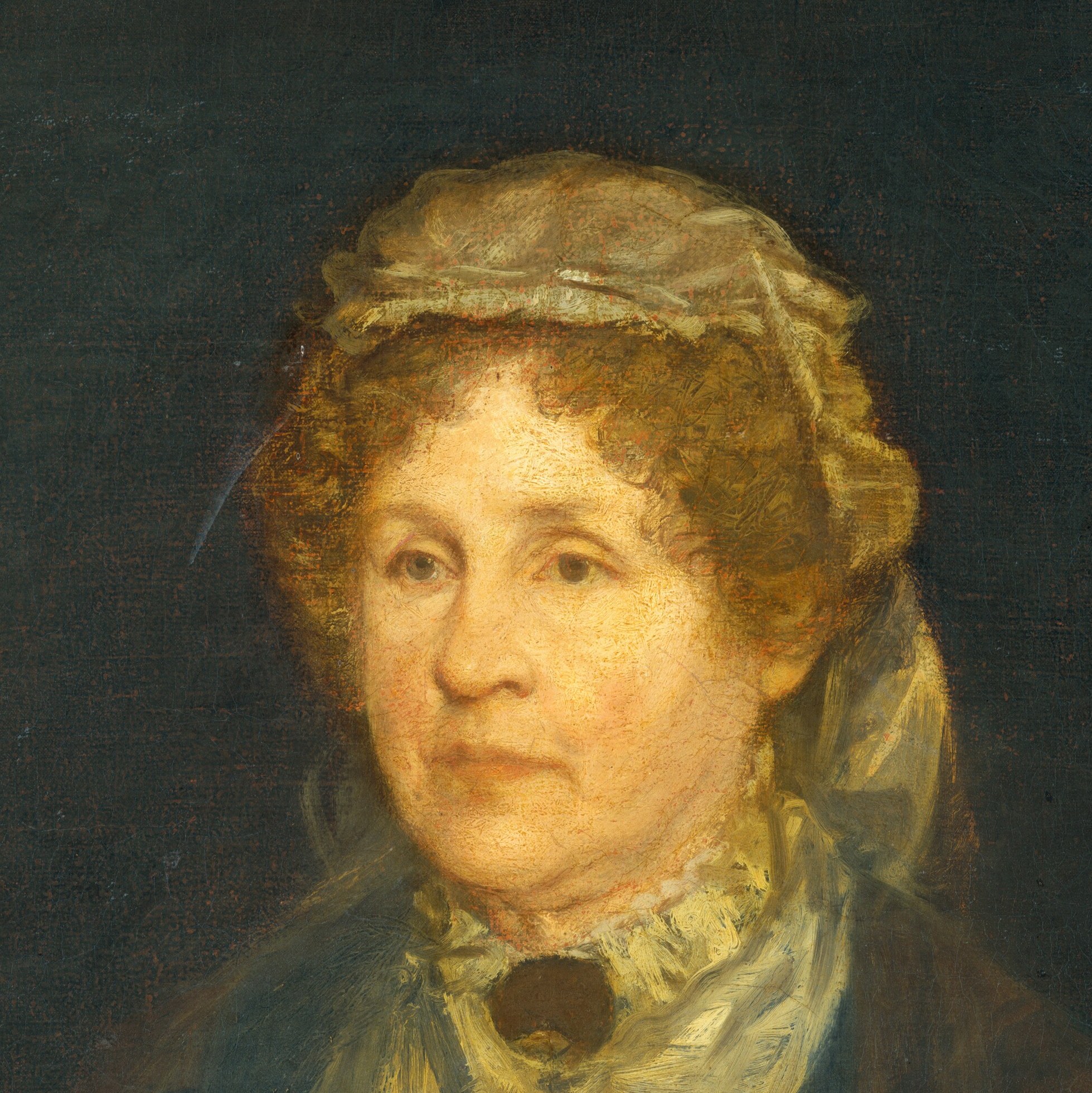
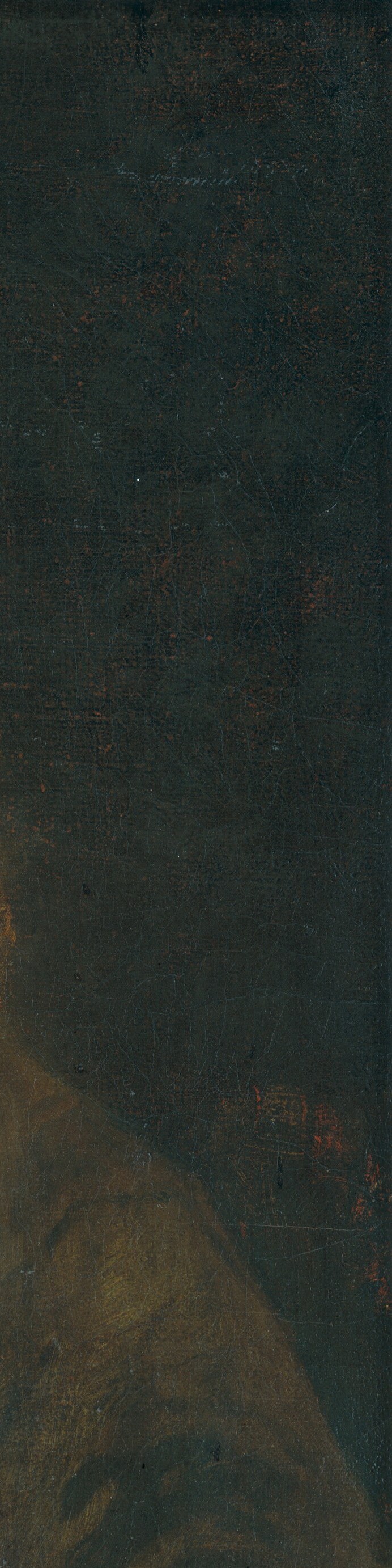
This is “Agnes Gordon Cochran Higginson,” painted by George Fuller in 1876. It hangs in the Museum of Fine Arts, Boston. Most people scroll past it, mistaking the dark background for a uniform black void. But the true secret of this painting is what lives in the shadows.
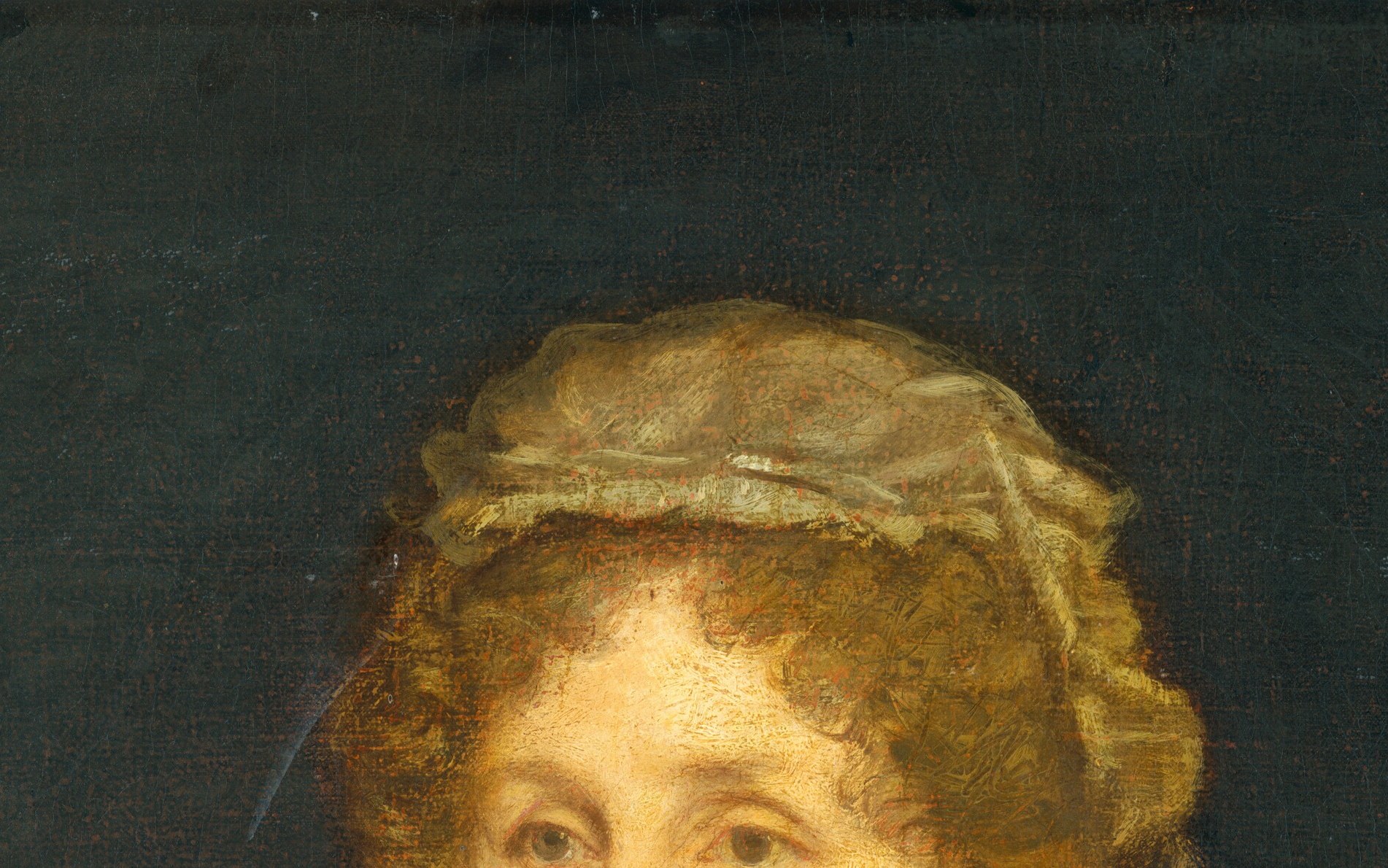
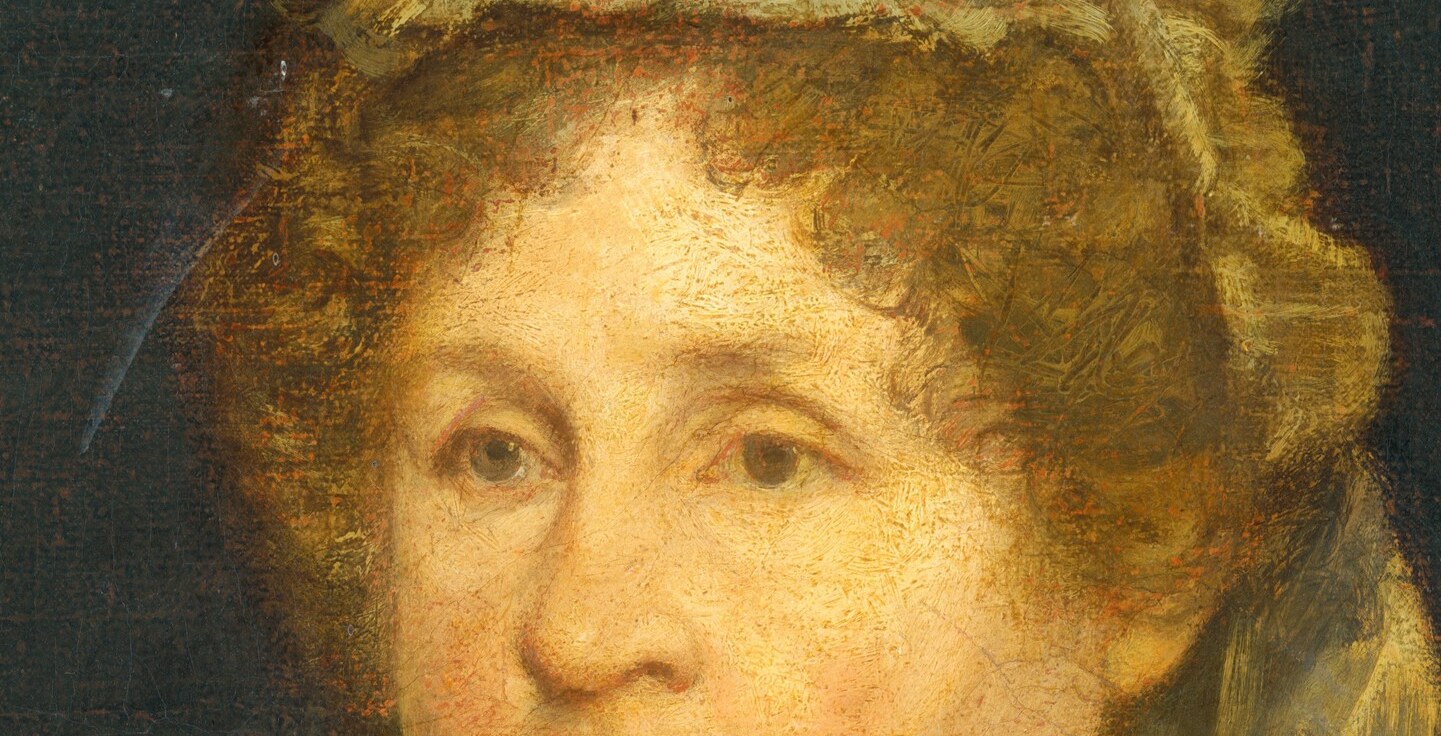
Look at the edges of the canvas. Where you expect flat darkness, you will find a subtle, warm amber glow. Fuller built his backgrounds from complex, loose brushwork, creating an atmosphere that breathes. The darkness is not empty; it is a slow-burning ember, a signature technique that makes the crisp white lace of her cap feel even more shockingly bright.
Fuller was an unusual figure in American art. He spent years as a struggling farmer in Deerfield, Massachusetts, before a trip to Europe and an inheritance allowed him to return to painting in his late fifties. His late style, often called dreamlike or ghostly, uses soft focus and tonal warmth over sharp detail. This portrait of a mature, self-possessed woman is a perfect vehicle for his quiet, inner light.
Next time you see a dark portrait in a gallery, step closer. There might be a hidden fire smoldering just beneath the surface.
Details

Transcript
She looks like a woman carved from shadow and light. George Fuller was known as a painter of ghosts and dreams. A late bloomer, he only found his style after inheriting a farm. Now look at the wall behind her. You might say it is just black. Come closer. Hidden in the darkness is a faint amber warmth. He never painted emptiness. Every shadow has a slow-burning fire. A hidden glow only reveals itself if you stop and look.