Fêtes Vénitiennes by Jean Antoine Watteau
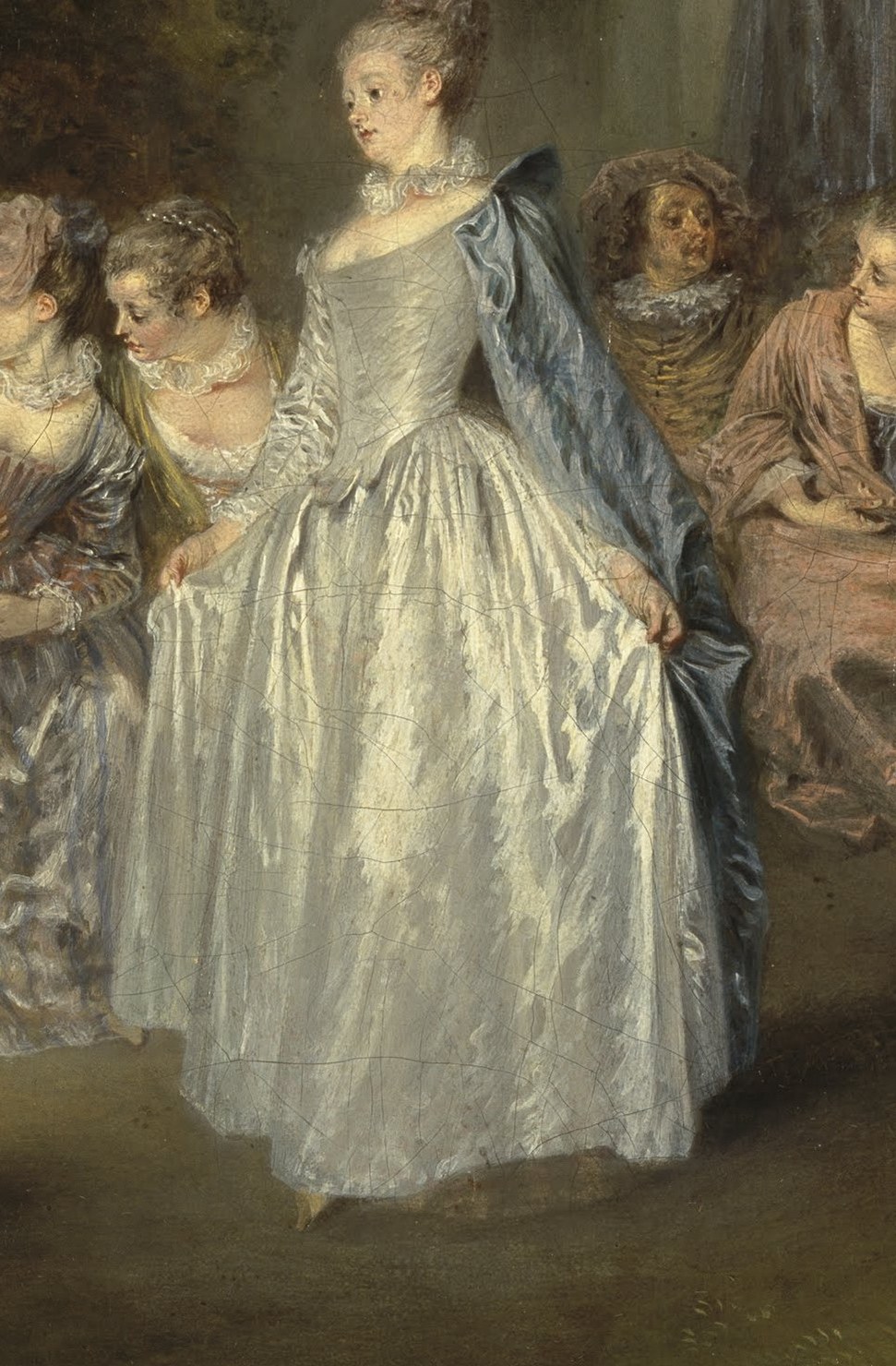
Fêtes Vénitiennes by Jean-Antoine Watteau (1719, Scottish National Gallery, Edinburgh) looks like a polite garden party, but nearly every detail carries a hidden message. The dancer in the luminous white gown is Charlotte Desmares, a celebrated actress and the mistress of the Duke of Orleans. Watteau painted himself into the scene too: he is the musician on the left, holding a set of bagpipes.
In the Middle Ages and well into Watteau's time, bagpipes carried an unmistakable sexual meaning. Hieronymus Bosch used the same symbol in The Garden of Earthly Delights for the same reason. Watteau folded that charged emblem into an otherwise elegant fete, a quiet joke for anyone who knew the code.
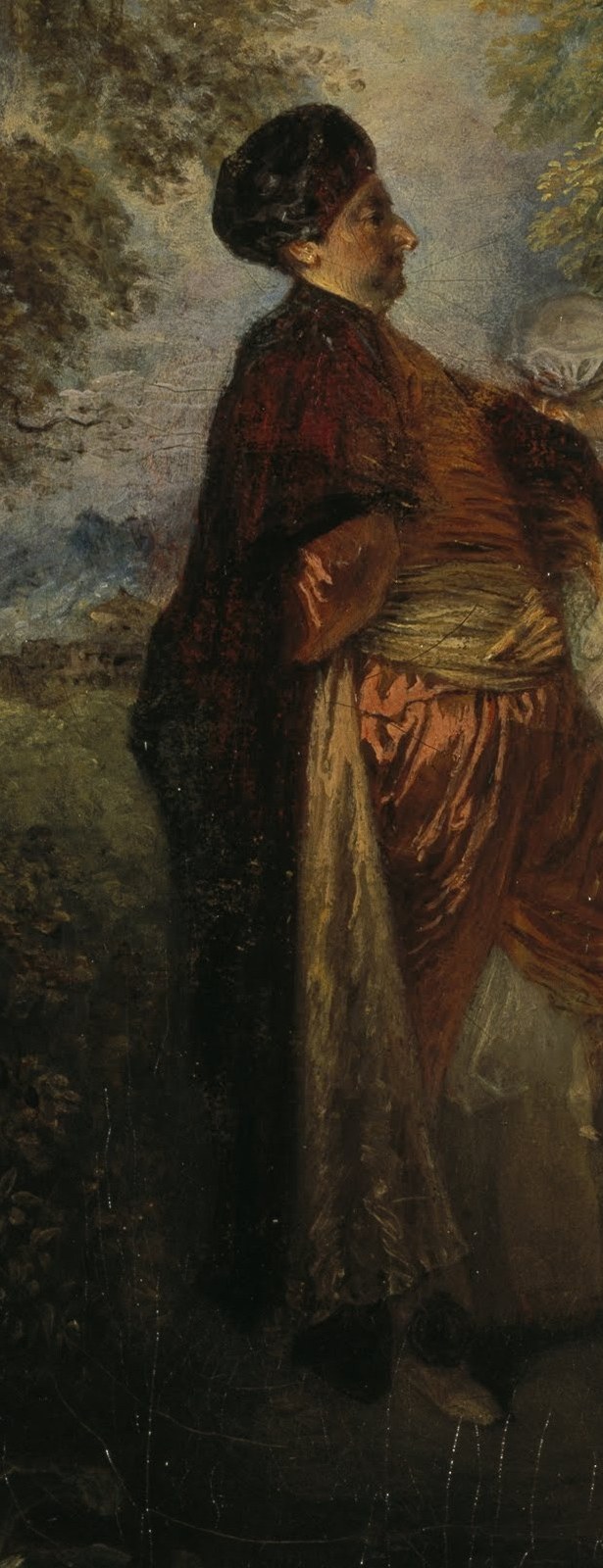
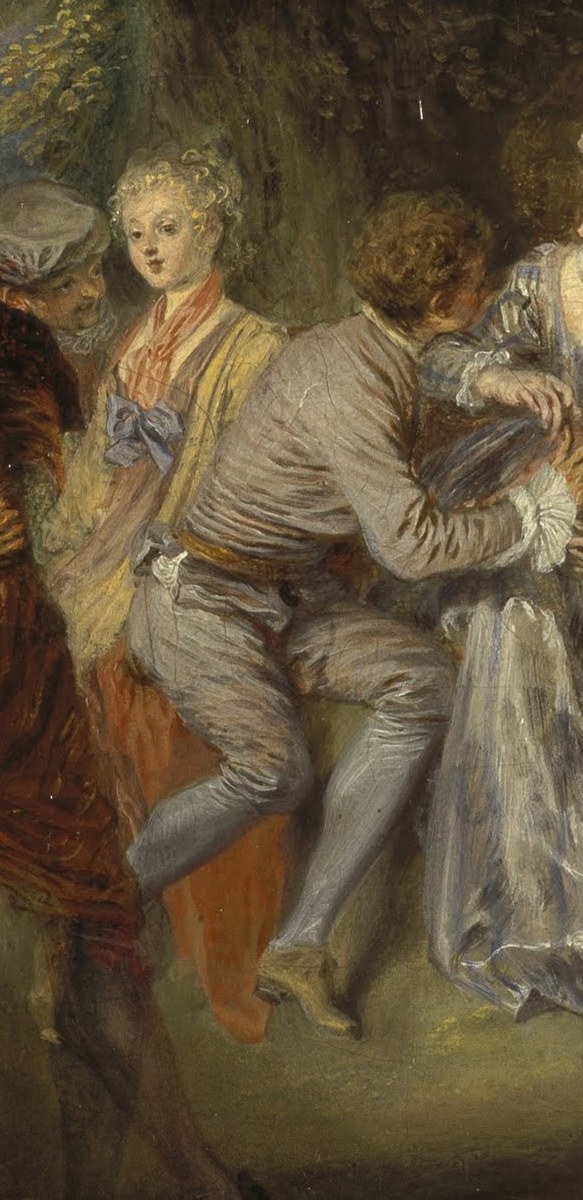
Watteau invented the fêtes galantes genre, scenes of aristocratic leisure in idealized parks, and filled them with actors, musicians, and knowing glances. He died at 36, but his paintings set the tone for the entire Rococo century. This work arrived in Edinburgh in 1861 as a bequest from Lady Murray of Henderland.
Every detail in this scene was chosen. Even the ones you are not supposed to notice at first.
Details
Transcript
Paris, 1719. A garden party. The dancer in white is the Duke of Orleans's mistress. He painted her dress like light. Watteau hid himself as a bagpipe player. Bagpipes were a medieval symbol for sex. Bosch used them too.