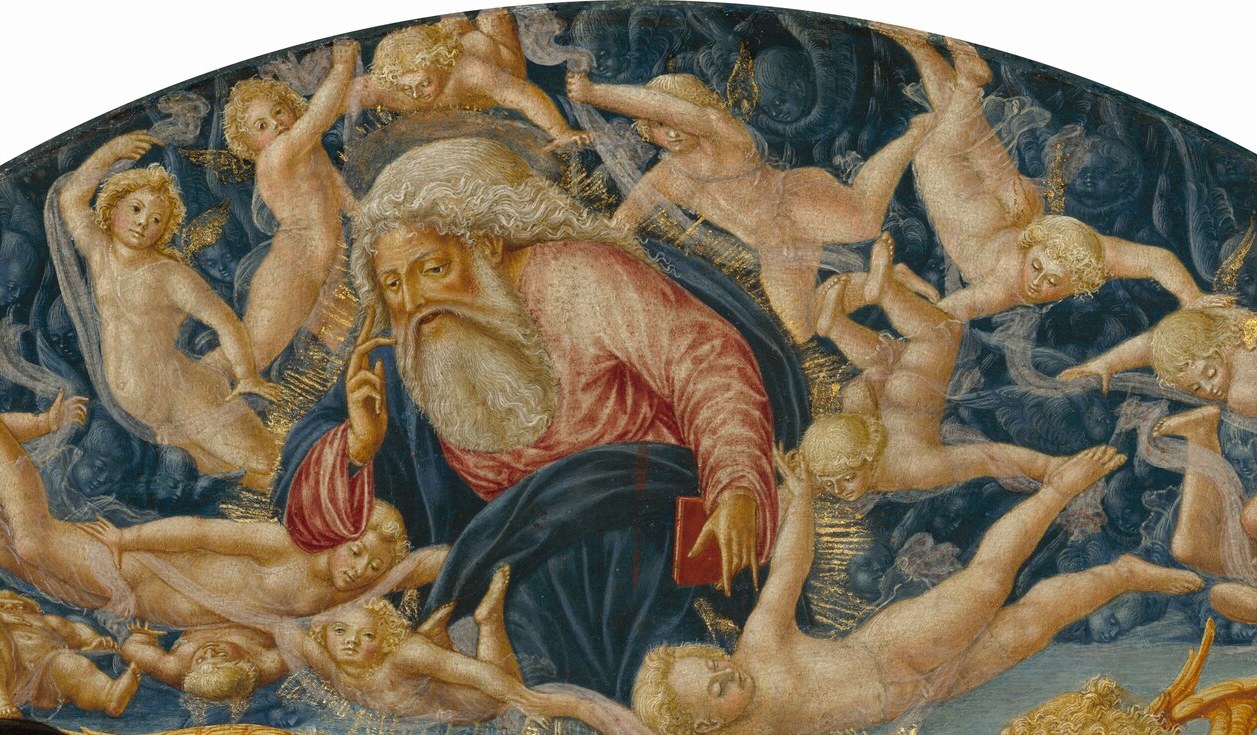
The Nativity, with God the Father Surrounded by Angels and Cherubim by Francesco di Giorgio Martini
Francesco di Giorgio Martini's 'The Nativity, with God the Father Surrounded by Angels and Cherubim,' painted around 1470, is a masterful example of a painting packed with theological symbolism. Now at the Metropolitan Museum of Art, it invites viewers to decode its hidden messages.
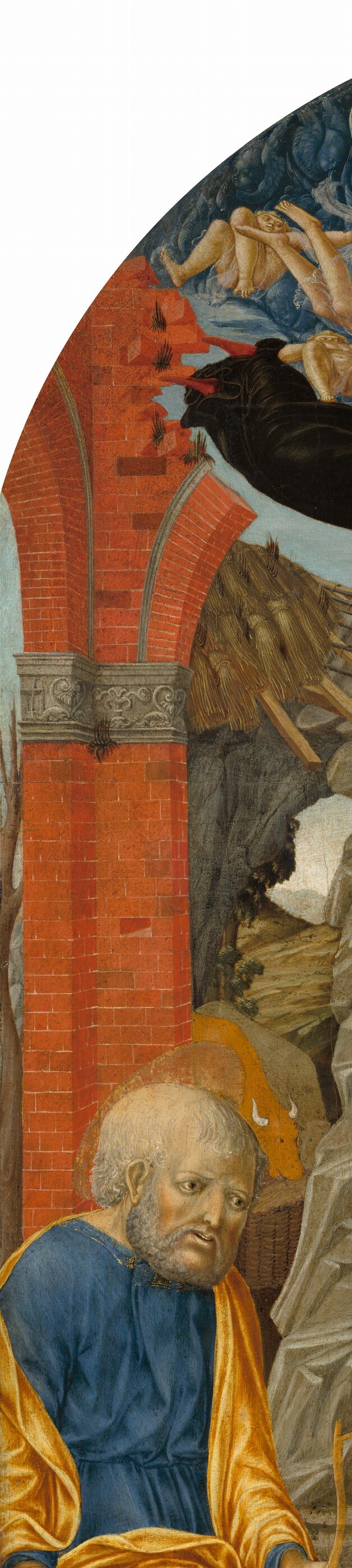
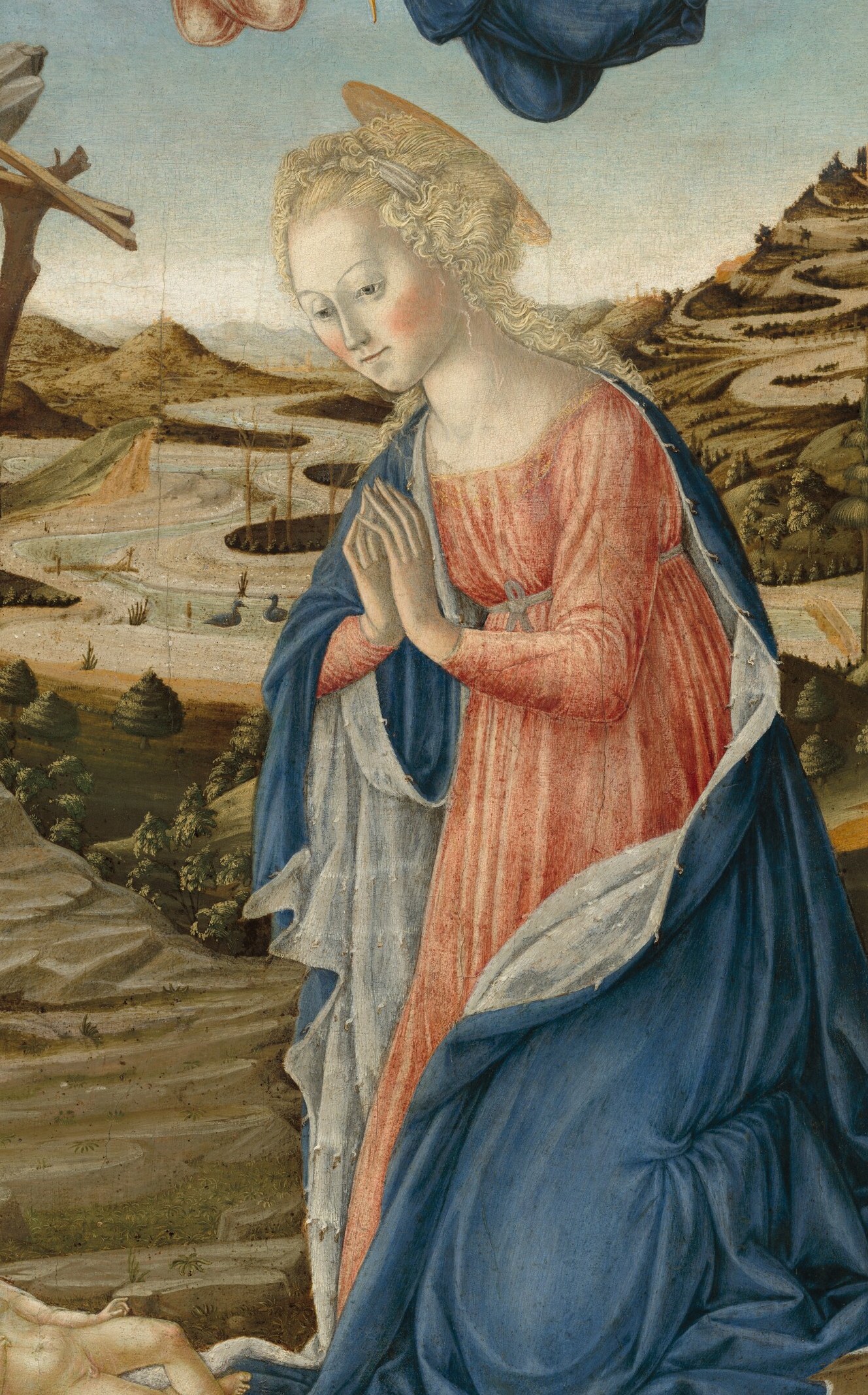
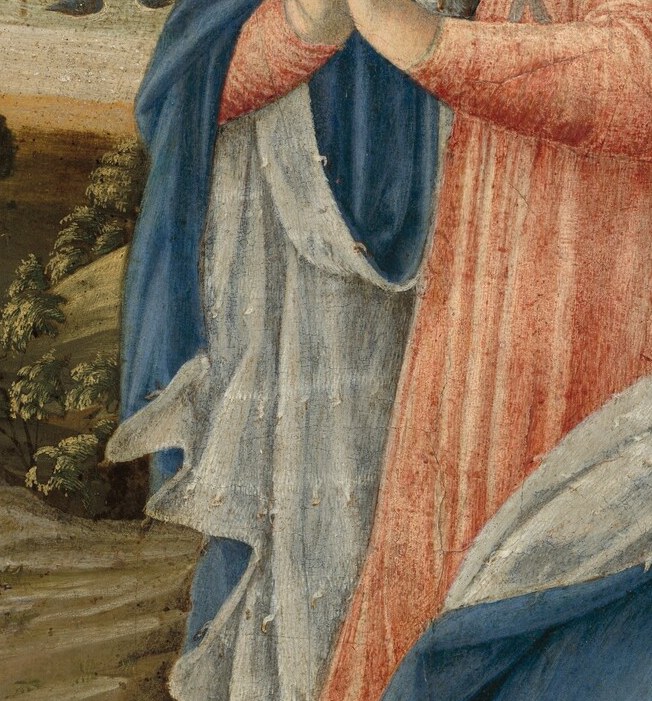
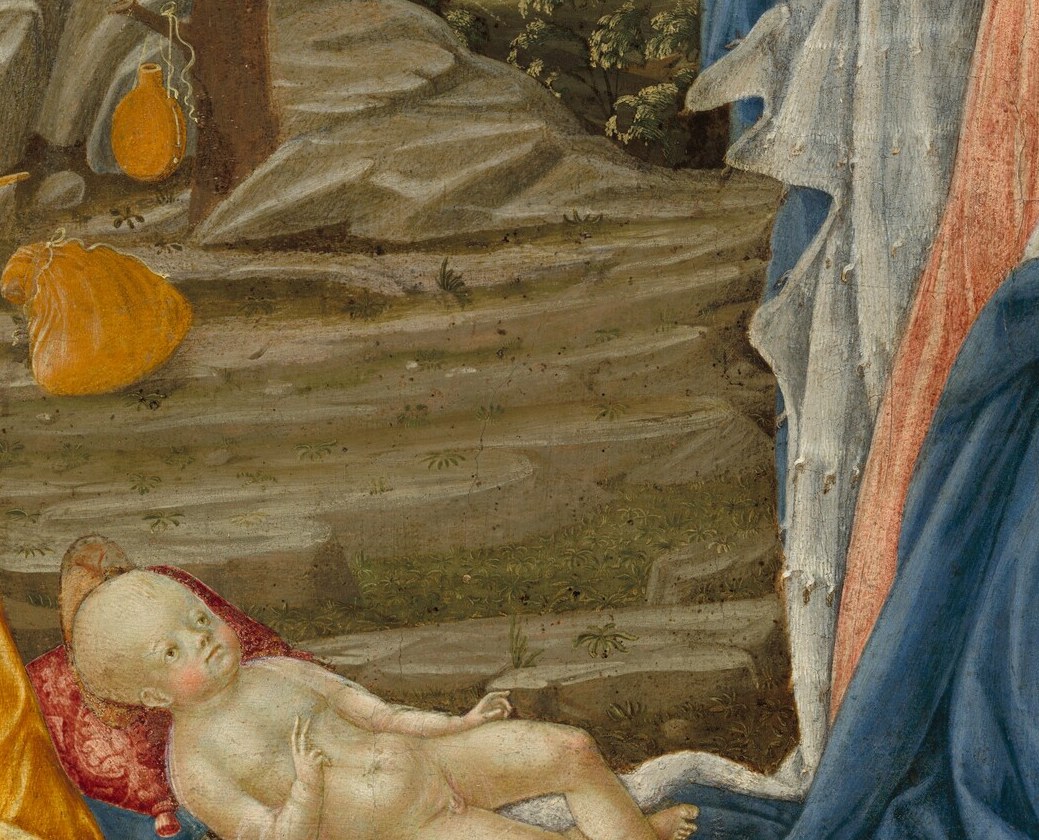
Look closely at the details: the crumbling stone wall isn't just a backdrop, but a deliberate statement, symbolizing the Old Testament era giving way to the New. Mary's posture, kneeling in worship with clasped hands rather than cradling her infant, highlights her profound adoration for the divine. And the Christ Child, placed on the bare earth instead of a cradle, signifies humility and foreshadows his ultimate sacrifice.
Martini, a versatile Sienese artist, was also a renowned architect and military engineer. His painting style, characteristic of the Sienese School, often blended traditional religious themes with a keen sense of symbolic detail. The luminous quality achieved with tempera on panel creates an ethereal atmosphere, drawing the viewer into the sacred narrative.
Every element in this painting tells a part of the story, inviting contemplation on its deeper meaning. What other symbols do you notice?
Details
Transcript
This painting from 1470 is packed with meaning. The crumbling wall represents the Old Testament giving way. Mary kneels in worship, not cradling her child. Her clasped hands show adoration for the divine. The Christ Child lies on bare ground, a symbol of humility. This emphasizes sacrifice, foreshadowing his future. Above, God the Father watches from golden radiance.