Italian Peasant Boy by Corot, Jean-Baptiste-Camille
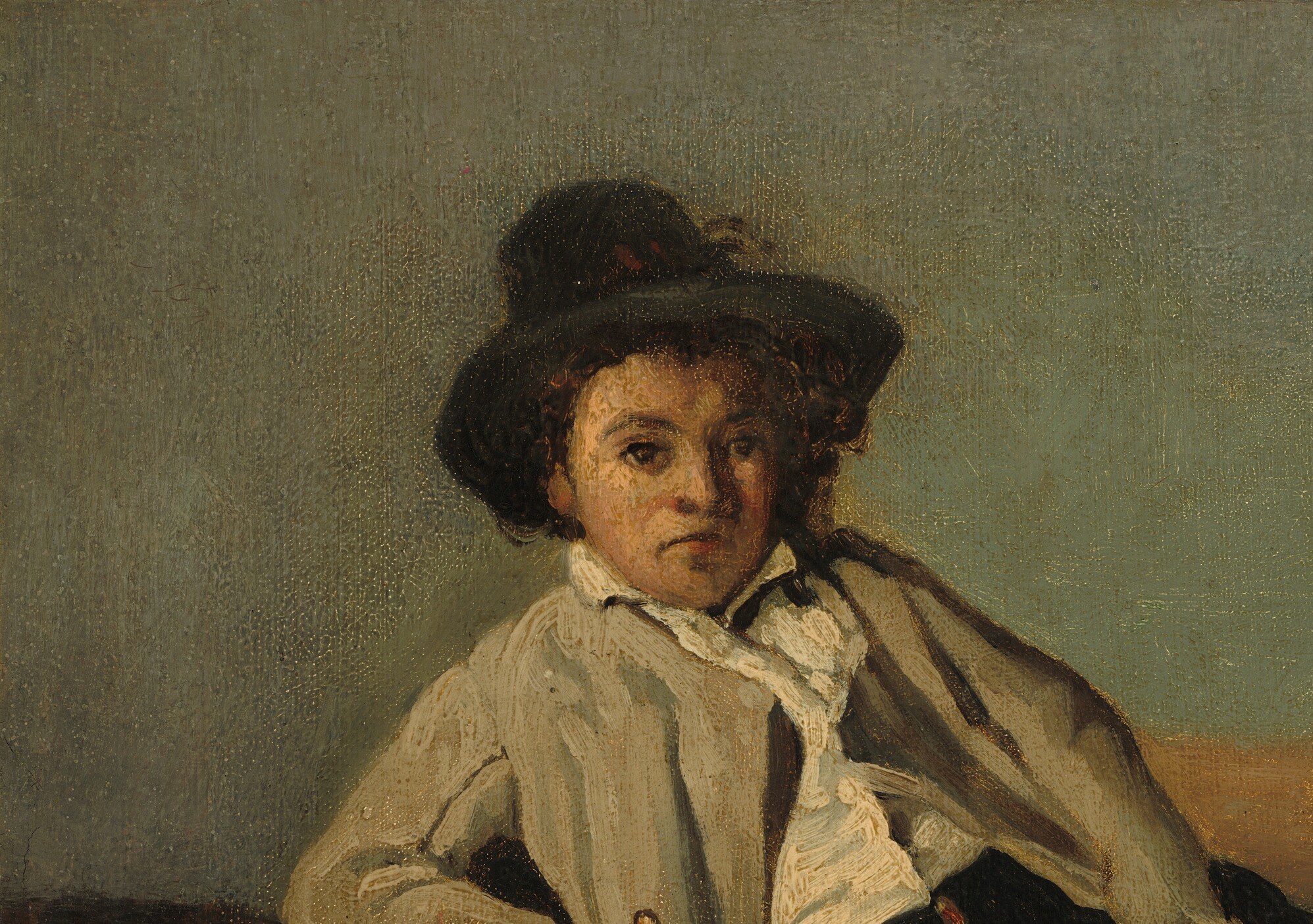
Jean-Baptiste-Camille Corot's "Italian Peasant Boy," painted between 1825 and 1827, is an oil on paper mounted on canvas, housed in a museum collection. This early work showcases Corot's burgeoning interest in naturalistic genre scenes.
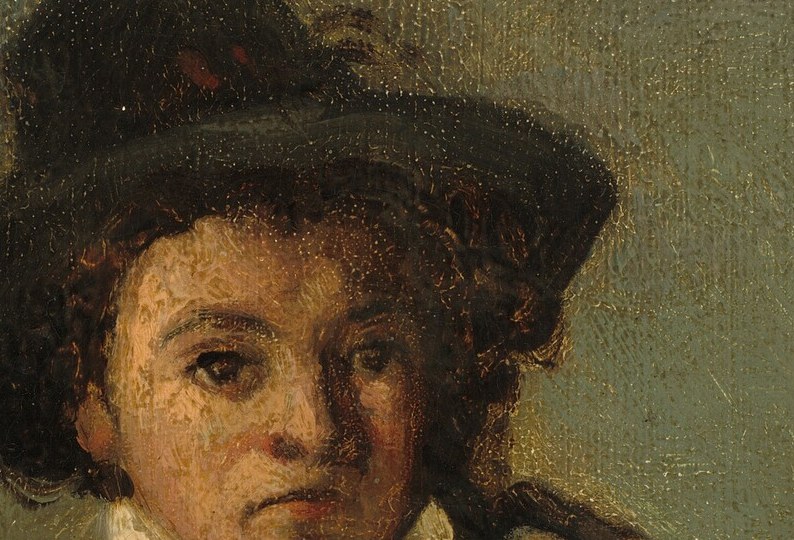
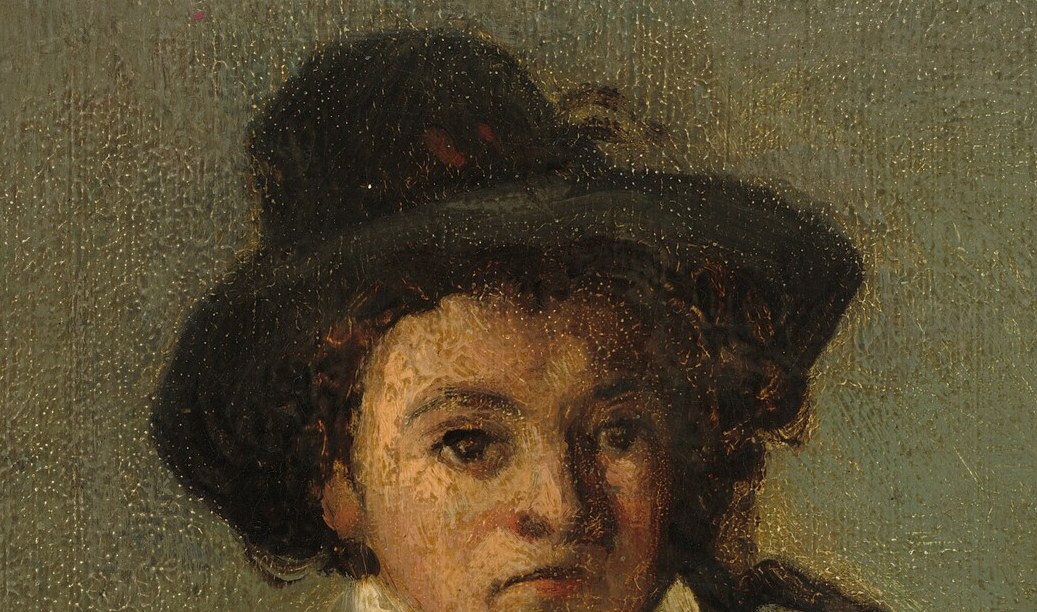
Observe the young boy's solemn expression and relaxed posture, a poignant study of rural life. Corot's loose, rapid brushwork, especially visible in the boy's white shirt collar, hints at the plein-air techniques that would later influence Impressionism.
Created during Corot's first trip to Italy, this painting reflects his pivotal role in bridging Neo-Classical traditions with a more direct observation of the world. The small framed painting on the wall behind the boy is a subtle, personal touch, likely a glimpse into Corot's own studio environment.
It's a quiet piece, yet rich with the foundational elements of a master's developing style. What else do you notice in his early experiments with light and composition?
Details
Transcript
This young man was painted in Italy by an unknown artist. It was Jean-Baptiste-Camille Corot, an early French master. His solemn gaze is a quiet study of rural life. Corot used loose brushwork here, anticipating Impressionism. Look closely at the wall behind him. A small painting hangs there, a detail from his studio.