Edouard Blau by Bazille, Frédéric
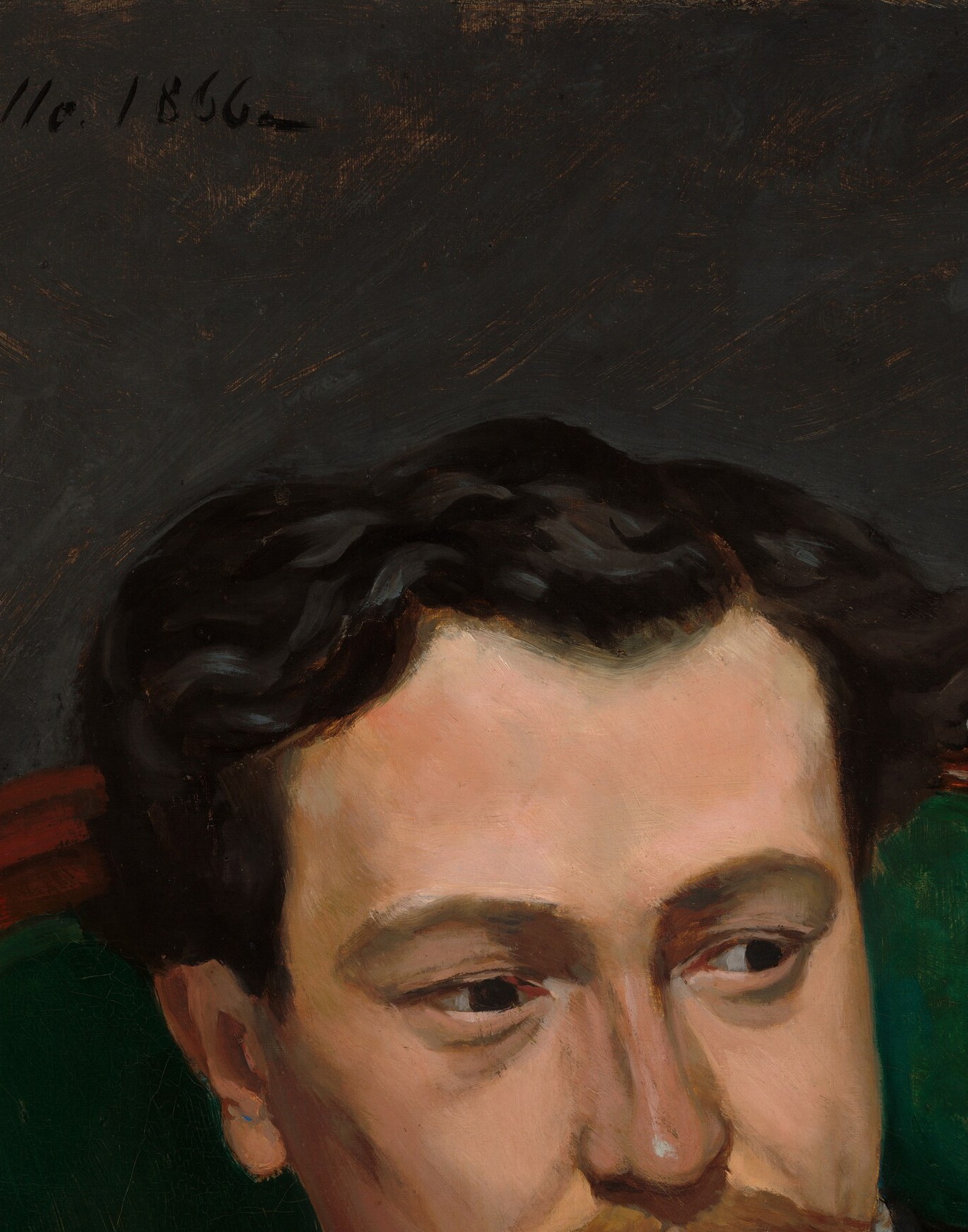
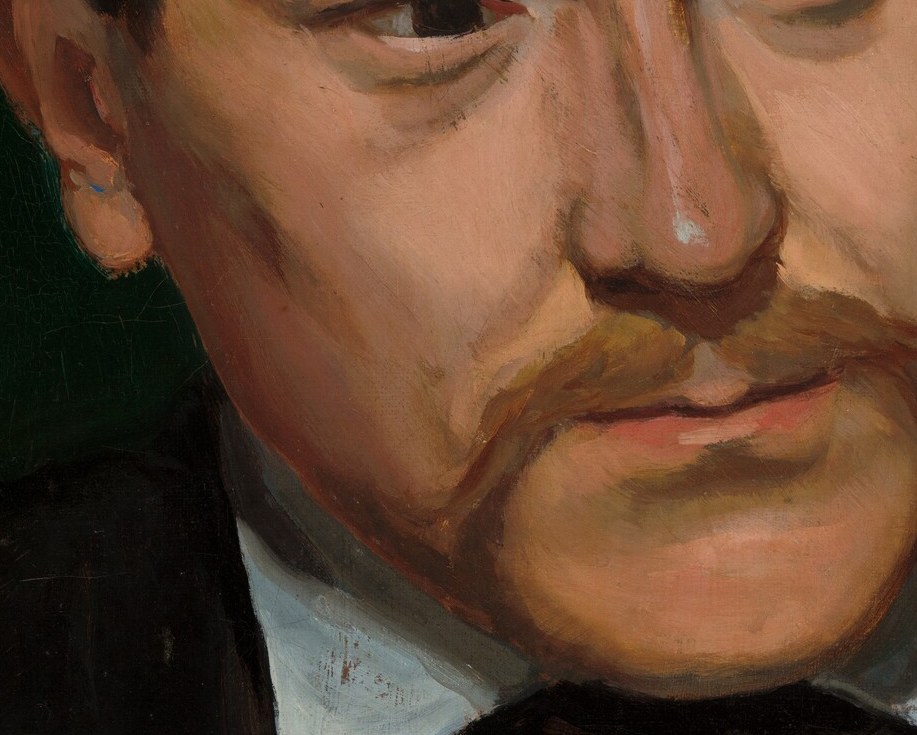
This is a portrait of the French writer and librettist Édouard Blau, painted by Frédéric Bazille around 1866. It is not a formal commission. Bazille came from a wealthy family and never needed to sell his work to live. Instead of chasing clients, he painted the people in his circle, capturing them in ordinary clothes and unguarded moments.
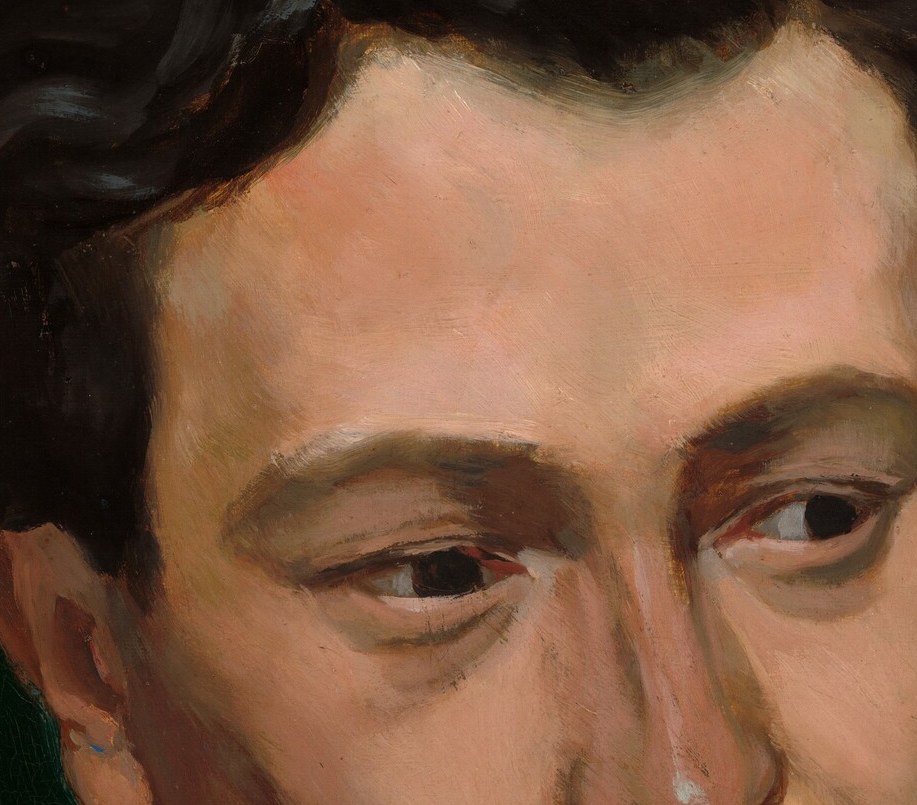
Look at Blau's eyes. He does not meet our gaze. Formal portraiture of the period almost always demanded a direct, public-facing expression. Here, Blau looks downward and inward, giving us a rare, unembellished record of a private personality rather than a social performance.
Bazille shared a Paris studio with Monet and Renoir and was a vital early figure in what would become Impressionism. He was also a patriot. When the Franco-Prussian War broke out in 1870, he enlisted. He was killed in battle that November, aged twenty-eight, leaving behind a small, remarkable body of work.
A friend painted this, for nothing, and we can feel it. What do you notice in his expression?
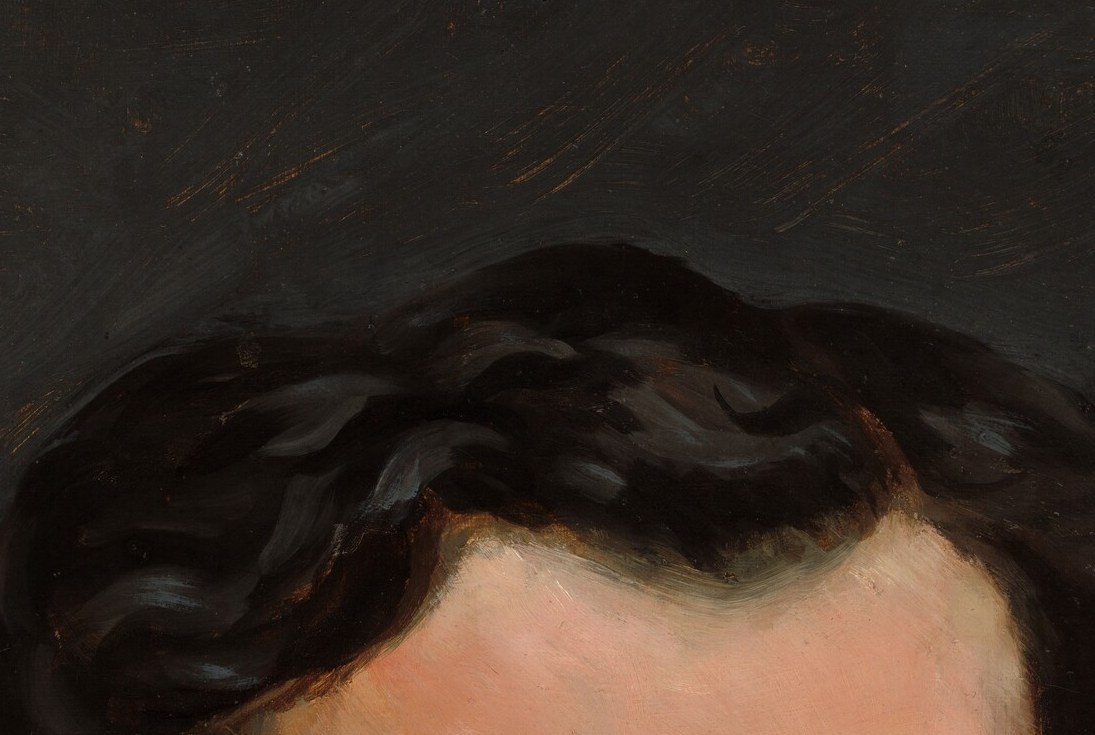
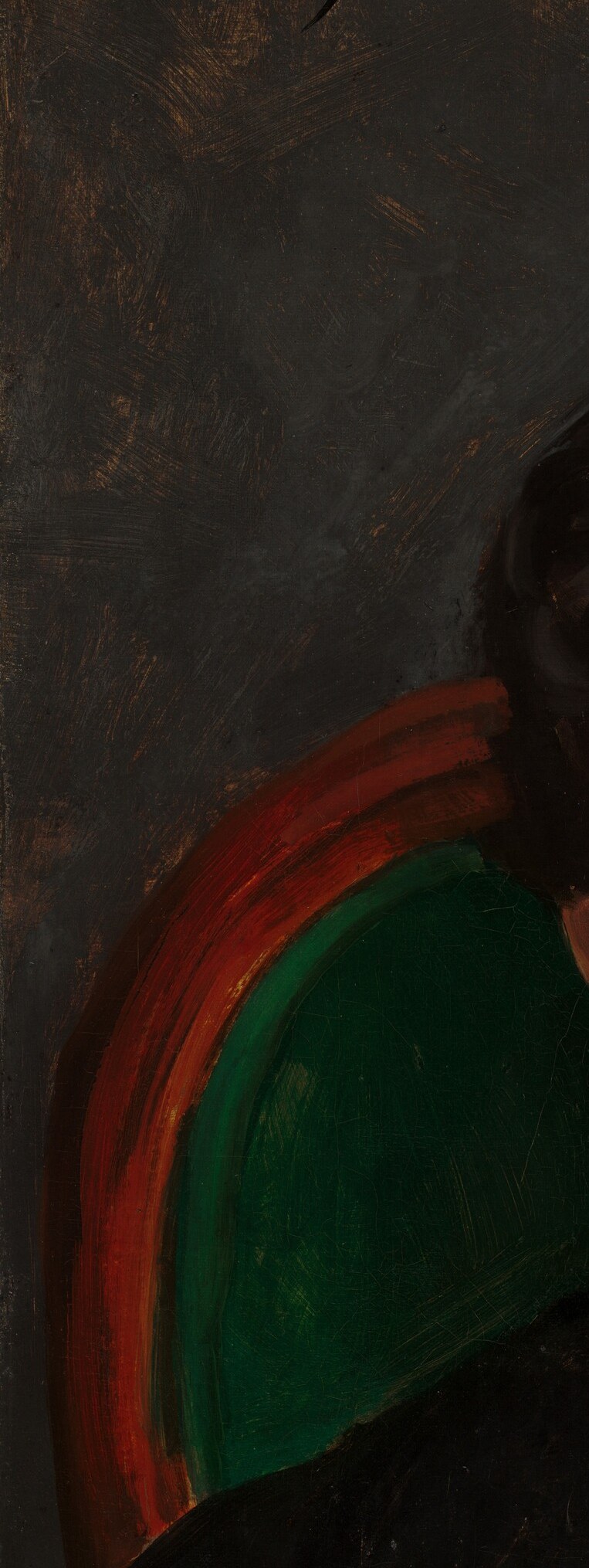
Details
Transcript
Most French portraits in the 1860s were paid commissions. This one was not. The sitter is the writer Édouard Blau. Look at his eyes. He refuses to perform for us. Bazille painted his friends without a fee, for intimacy. He died in the Franco-Prussian War at twenty-eight.