An Albanian Sailor by Jean Baptiste Vanmour
An Albanian Sailor (Jean Baptiste Vanmour, 1718) is not a portrait in the usual sense. It is an ethnographic document, part of a visual catalogue the Flemish-born painter made while living inside the Ottoman Empire during the Tulip Era. His job: show European patrons who lived in an empire they would never visit.
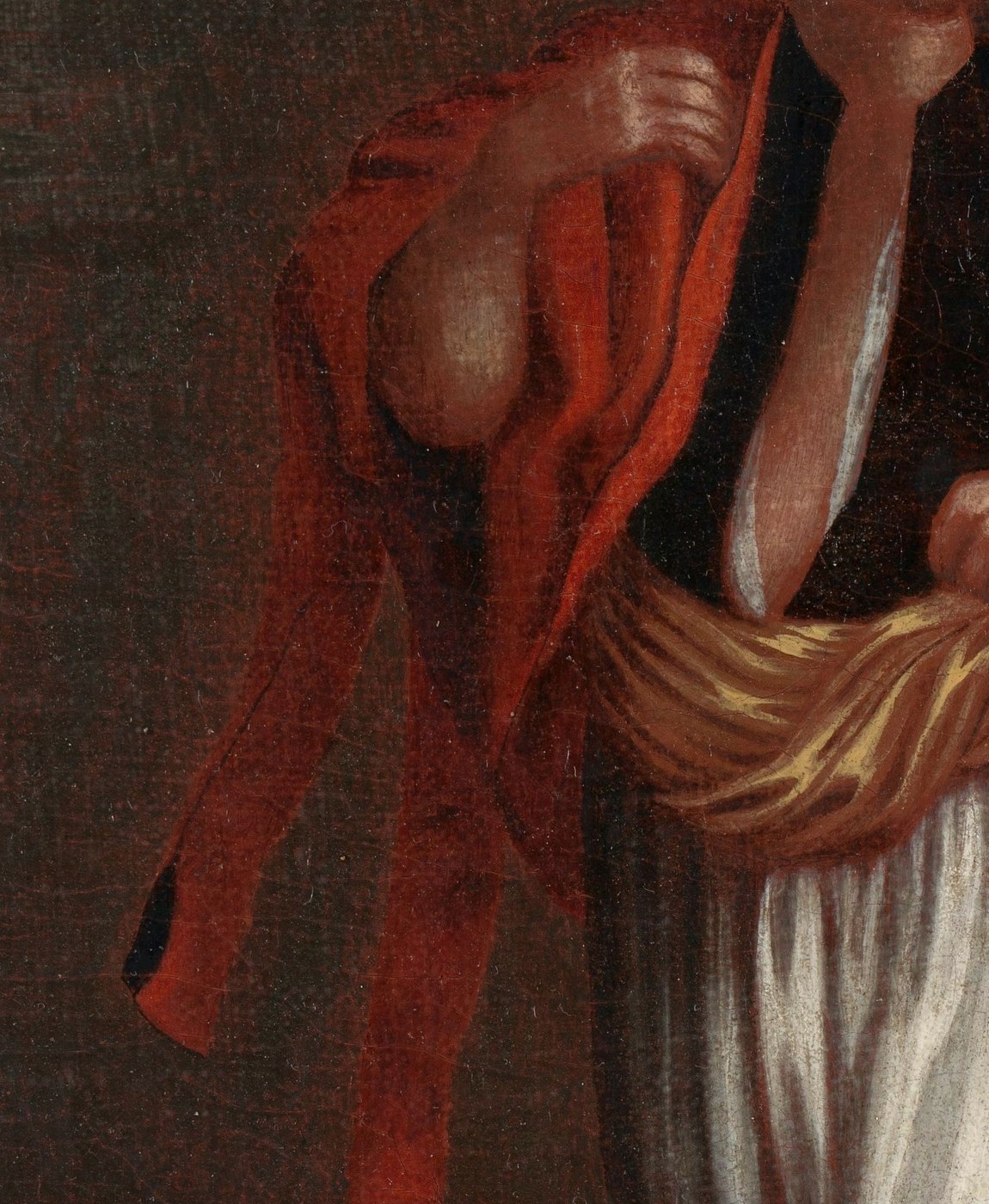
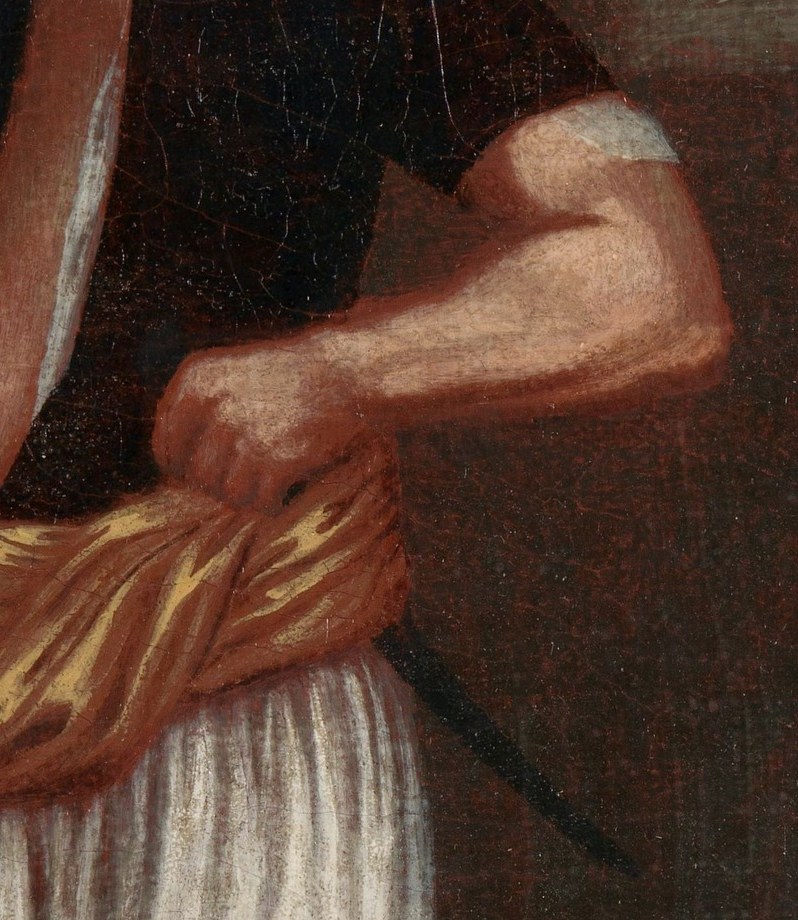
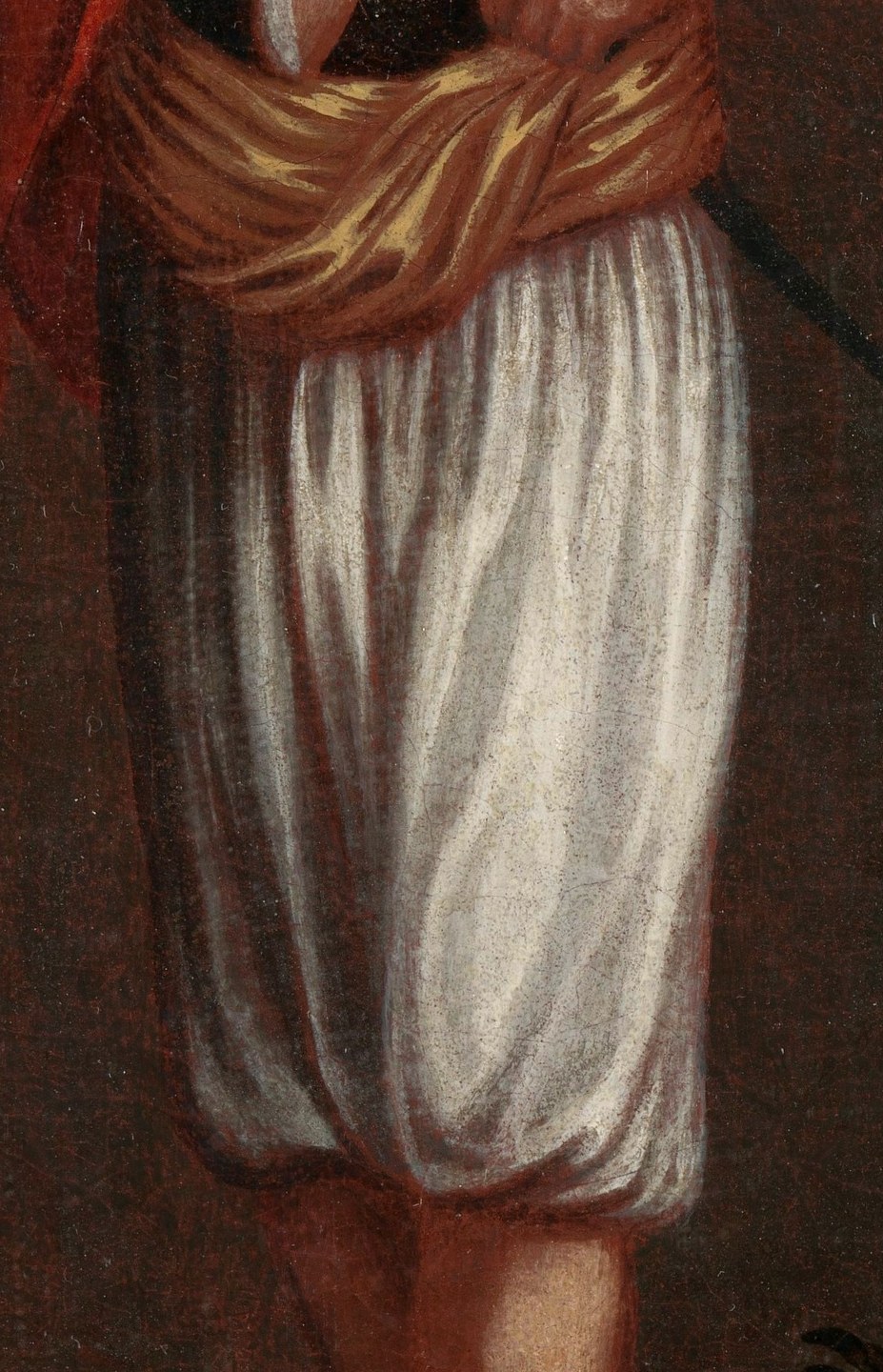
Look at the clothing. Each piece is a data point: red cloth over the shoulder, loose white trousers cut for labor, orange shoes that signal origin. Vanmour rendered the muscle and vein in the right arm so explicitly you can read the physical life in his body. Nothing here is merely decorative.
Vanmour arrived in Constantinople in 1699 and never left, becoming the era's foremost European painter of Ottoman life. Under Sultan Ahmed III, the empire opened to Western influence, and Vanmour assembled a human catalogue a full century before the camera existed.
When does a portrait become a file?
Details
Transcript
In 1718, a Flemish painter catalogued the Ottoman Empire's people. An Albanian sailor. Filed for the eyes of Europe. Red cloth over the shoulder. The first marker. His right arm. Muscle and vein, visible. Loose trousers. Cut for a working life. Every detail was evidence. Down to the orange shoes.