The Curious by Gerard ter Borch
View the artwork: The Curious →
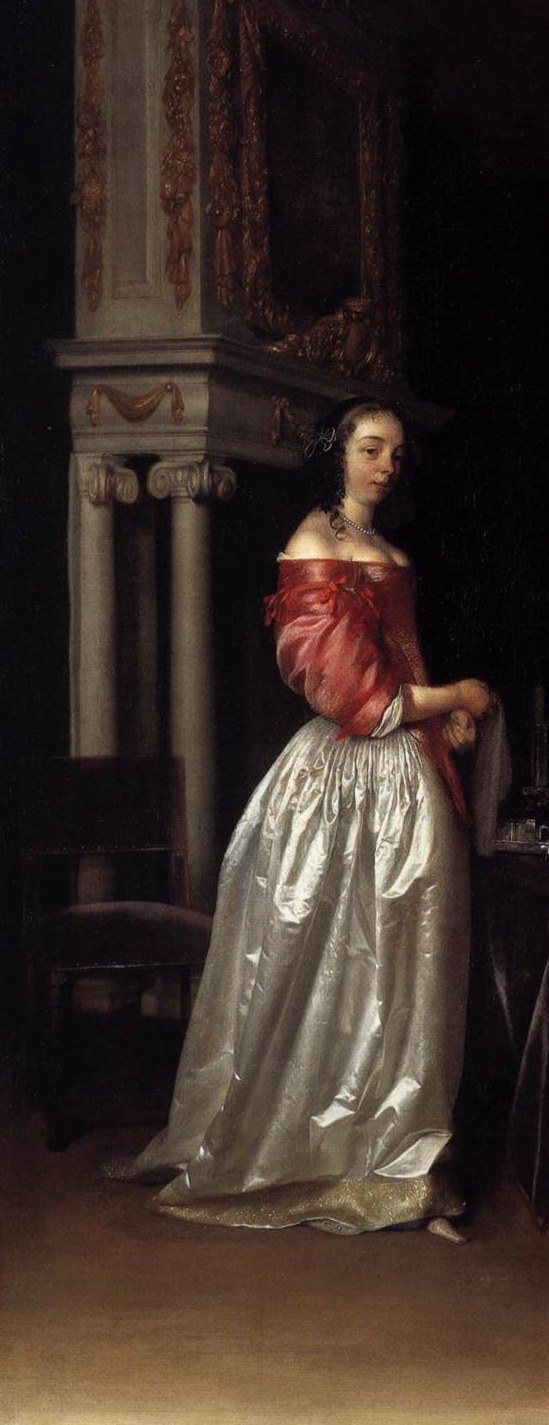
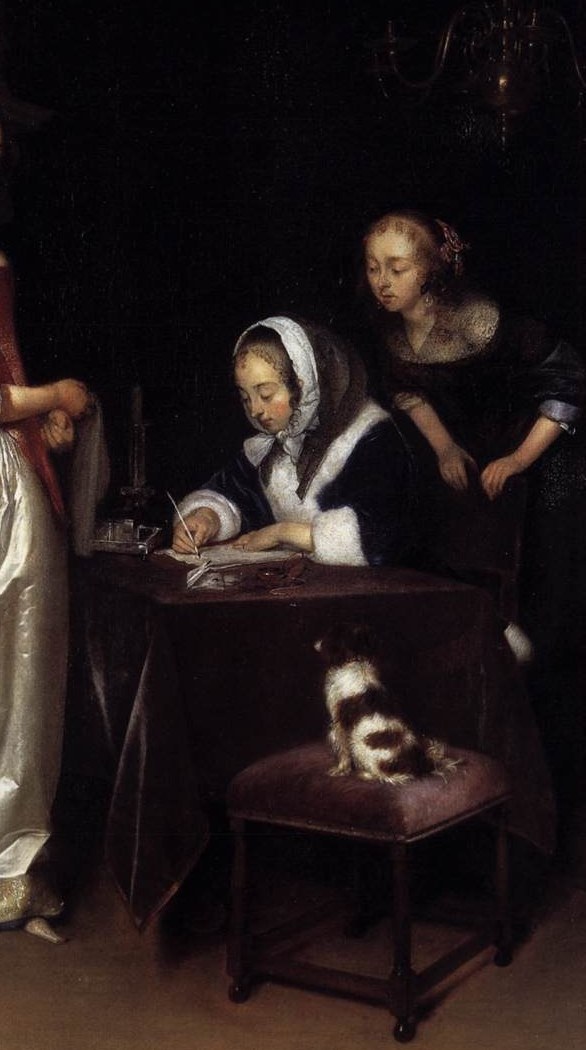
The painting is Gerard ter Borch's 'The Curious,' made around 1660. It shows a woman in a red dress watching another write a letter, and it captures a very specific Dutch Golden Age anxiety: that your private words were never truly private.
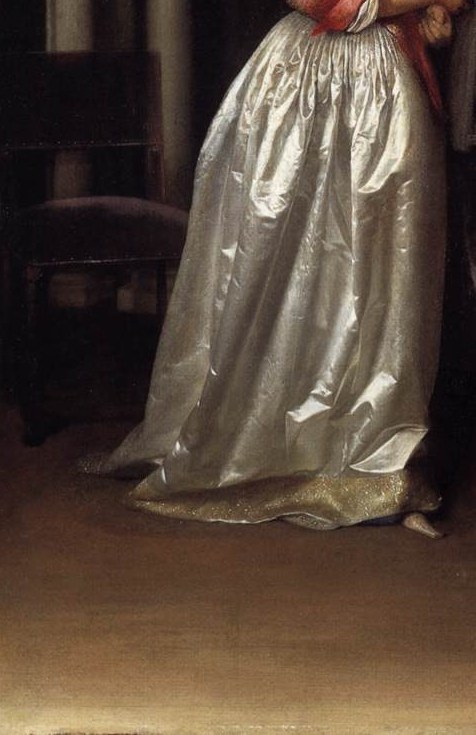
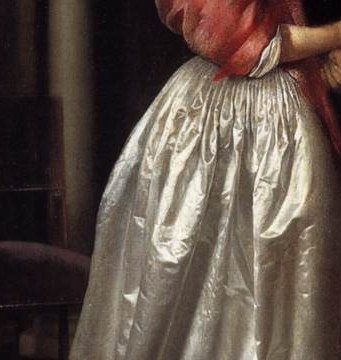
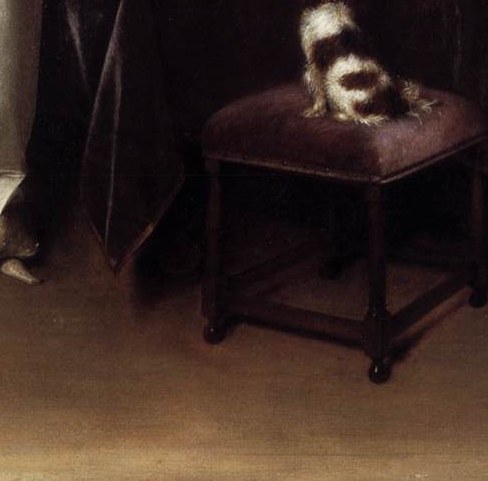
Look at the white satin skirt first. Ter Borch was famous for painting fabric that looked luminous and tangible, and this passage is a technical masterclass. Then find the quill and paper. The contents of the letter are hidden from us and from the curious onlooker, which is exactly the point. In the background, a third woman watches from shadow, layering the voyeurism. The small dog was a symbol of fidelity, but in this room, loyalty feels like a question mark.
Ter Borch made his name painting interiors like this, quiet, expensive, emotionally ambiguous. He sold them to wealthy merchants in Amsterdam and The Hague who had the money to buy privacy, and the anxiety to see it depicted. His ability to render psychological tension in satin and fur influenced Vermeer, though Vermeer's later fame would eclipse his own.
A maid, a mistress, or a spy? Ter Borch knew that leaving the answer open was worth more than giving it away.
#arthistory #dutchgoldenage #gerardterborch
Details
Transcript
She doesn't know she's being watched. This woman is buying the letter from a servant. A private message, turned into a transaction. The dog means fidelity. But the scene questions it. Ter Borch sold works like this for vast sums to wealthy burghers. They paid for secrets, suspended in satin and silence.