María Luisa of Parma (1751–1819), Queen of Spain by http://www.wikidata.org/.well-known/genid/9e07cdf35aeb8b73a36ce322f18da3e7
María Luisa of Parma (1751-1819), Queen of Spain, painted around 1799, the year Napoleon Bonaparte seized power in France and began redrawing the map of Europe. This portrait, attributed to the circle of Francisco de Goya, captures the Spanish crown at the edge of an abyss. Within a decade, Napoleon would invade Spain, the royal family would be imprisoned, and the old order this painting so carefully projects would collapse.
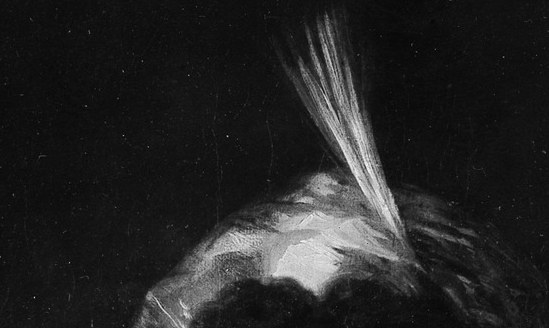
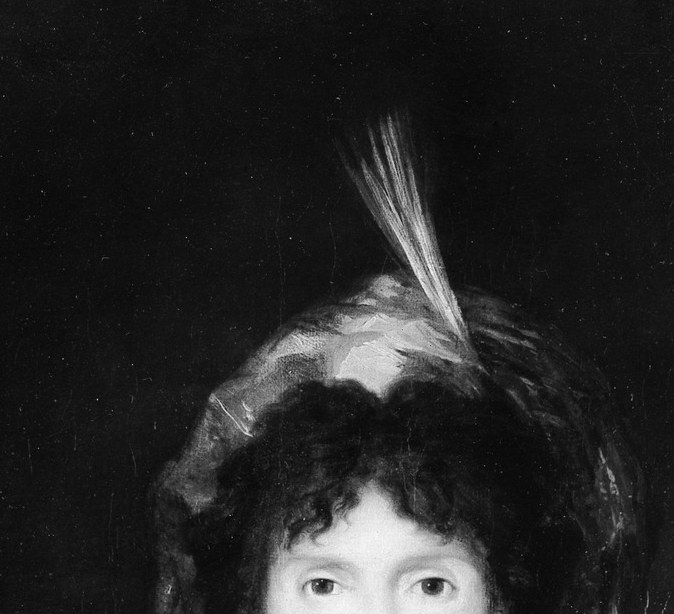
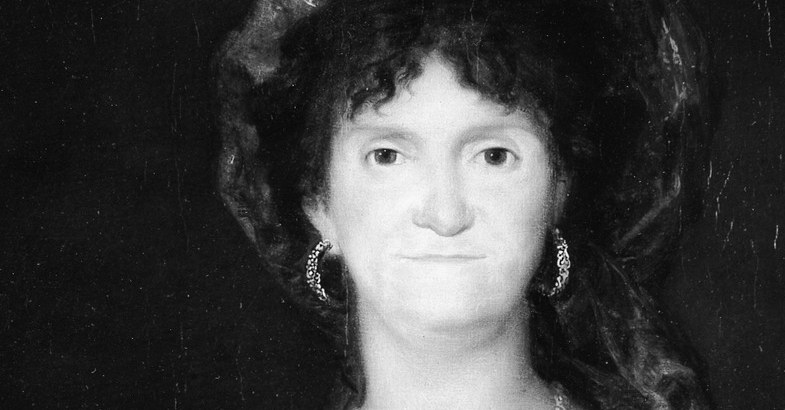
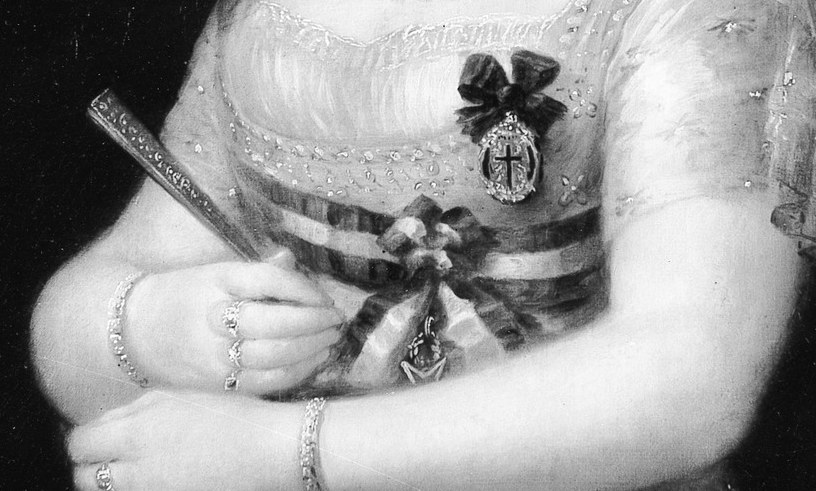
Look at the eyes. They do not glance away or soften, they fix the viewer with a directness rare in female royal portraiture of the era. Then look at the lace collar: it is not French fashion but a deliberate quotation of older Spanish Hapsburg court dress, reaching back to a dynasty that had lost the throne a century earlier. The closed fan, the fortress of silk, the darkness pressing in from every side, every detail insists on continuity at the exact moment it was ending.
María Luisa was not a passive figure. She dominated the court of her husband, Charles IV, and her forceful personality was widely remarked upon, and resented. This portrait shows none of the softness expected of an 18th-century queen consort. Instead, it shows someone who understood that being seen was itself a form of power, even as the ground beneath her was giving way.
A portrait is always an argument. This one argues that the queen of Spain still mattered in 1799. History would disagree, but the argument itself, fierce, unblinking, dressed in three centuries of symbols, remains astonishing to look at.
Details
Transcript
1799. Napoleon takes France. Europe trembles. In Madrid, this woman refuses to look away. María Luisa of Parma. Queen of Spain. That collar reaches back to the Hapsburgs, a century of vanished power. The fan is closed. She has nothing to cool. Her gaze is direct. Almost confrontational. A queen who commanded attention, in a palace that would soon be powerless.