Portrait of a Man by Francesco Salviati
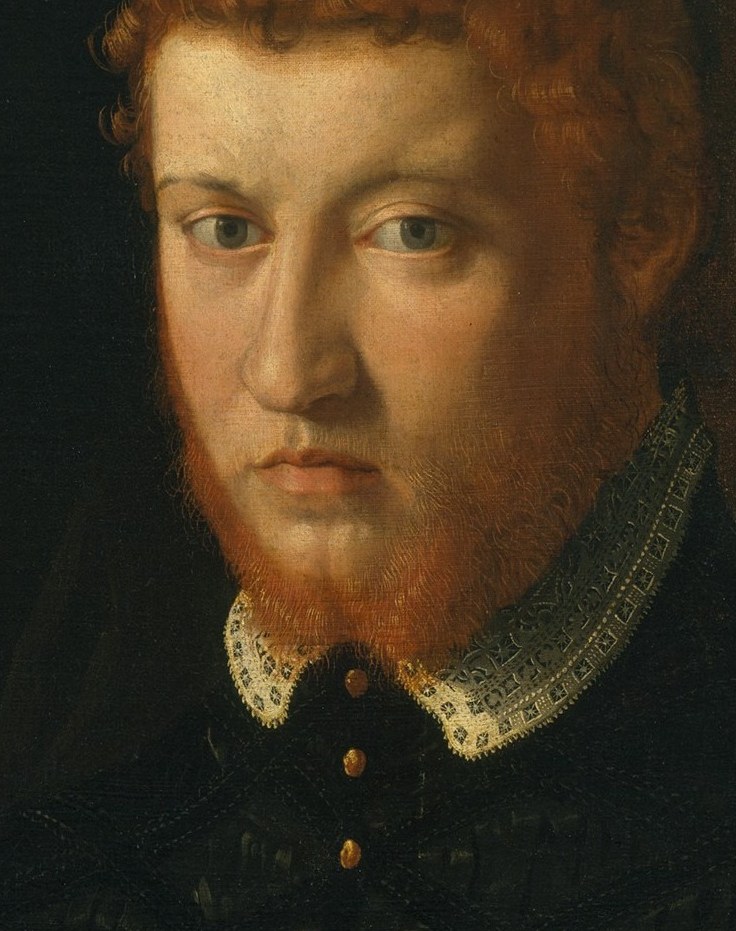
Francesco Salviati's *Portrait of a Man*, painted in 1546, is a striking example of Italian Mannerist portraiture. Currently housed at The Metropolitan Museum of Art, this oil painting captures the elegance and artificiality characteristic of the era.
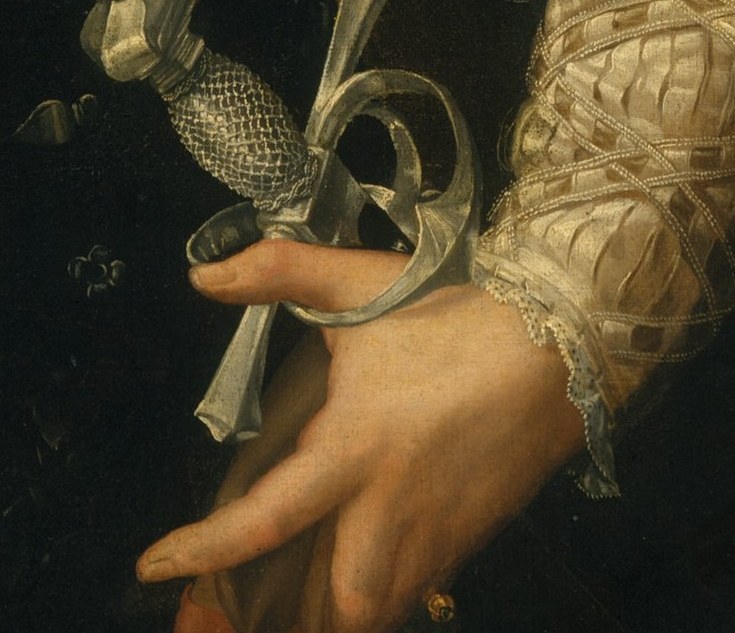
Look closely at the subject's intense eyes and his meticulously groomed beard, framed by an elaborate ruffled collar. The painter, Salviati, masterfully renders the textures of his dark garment and voluminous sleeves, highlighting the man's wealth and status.
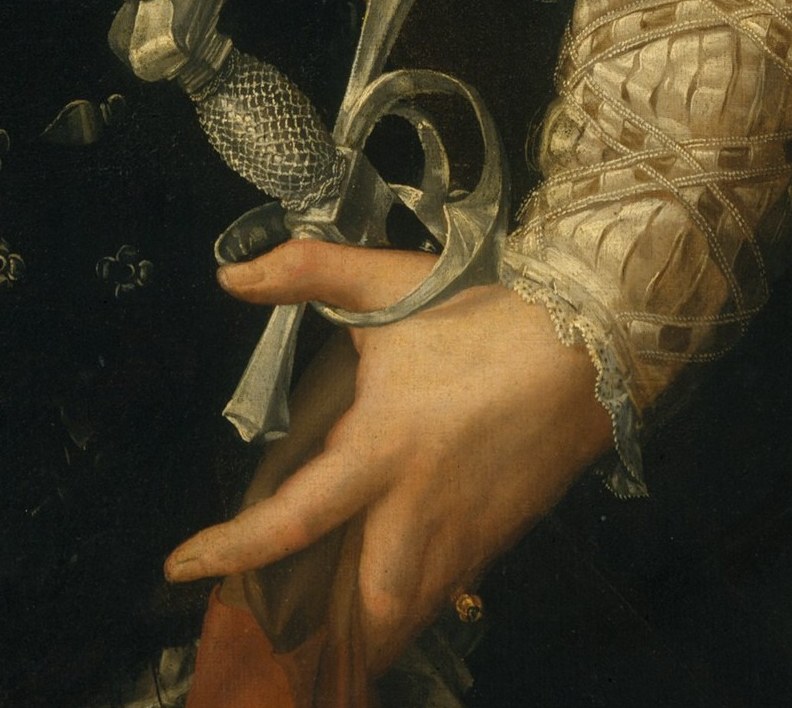
The most intriguing detail is the jeweled dagger he holds. This ornate weapon not only signifies power and social standing but also adds a hint of drama to the composition, typical of Mannerist art's sophisticated aesthetic. Salviati, also known as Francesco de' Rossi, was a versatile artist working across major Italian cities, creating both grand historical paintings and intimate portraits.
This portrait invites us to consider the persona and societal roles of men in 16th-century Italy. What do you think his expression conveys?
Details
Transcript
This man from 1546 has a lot to say. Notice the intense expression in his eyes. His fine beard and elaborate collar show his status. This painter, Salviati, was known for such refined portraits. He holds a jeweled dagger, a symbol of power. Its ornate hilt and blade are painted with exquisite detail. The dramatic lighting and stylized forms are classic Mannerism.