Head of Saint John the Baptist by Emmanuel Tzanes
Emmanuel Tzanes' "Head of Saint John the Baptist" (1663) is a striking example of Greek Renaissance iconography from the Cretan school. The painting draws us into a moment of deep contemplation. Tzanes, a clergyman in Venice, created many religious works, often in tempera, to evoke spiritual gravity and mystery.
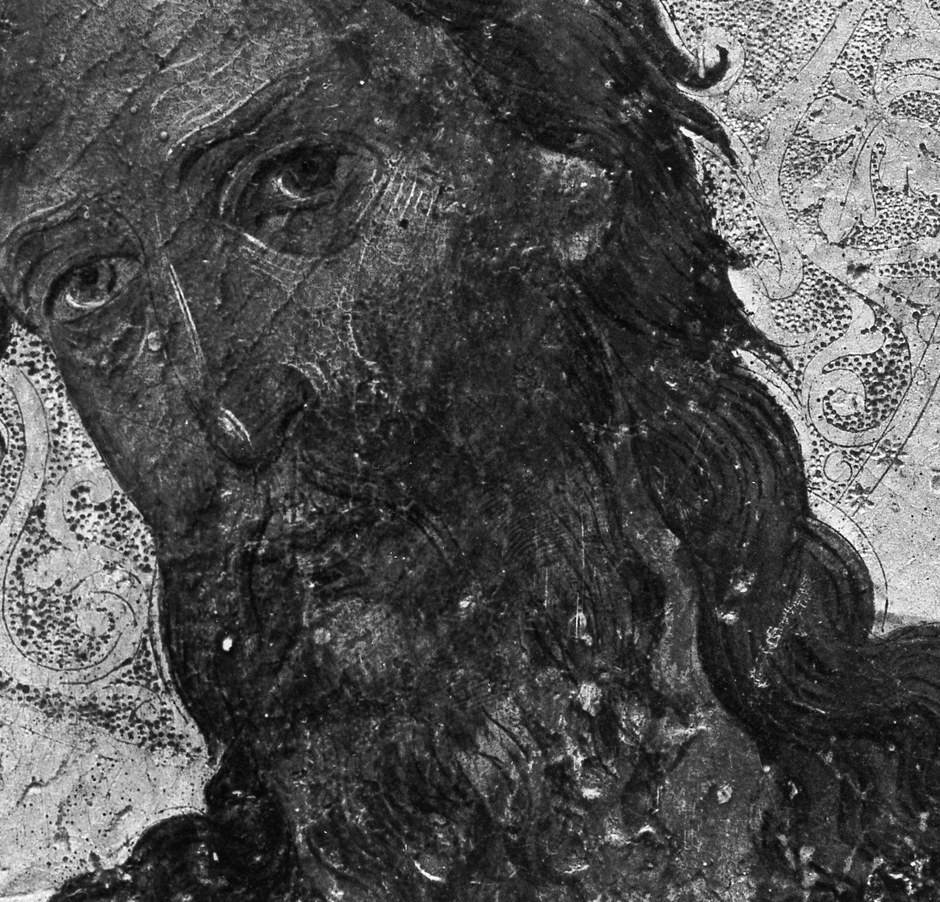
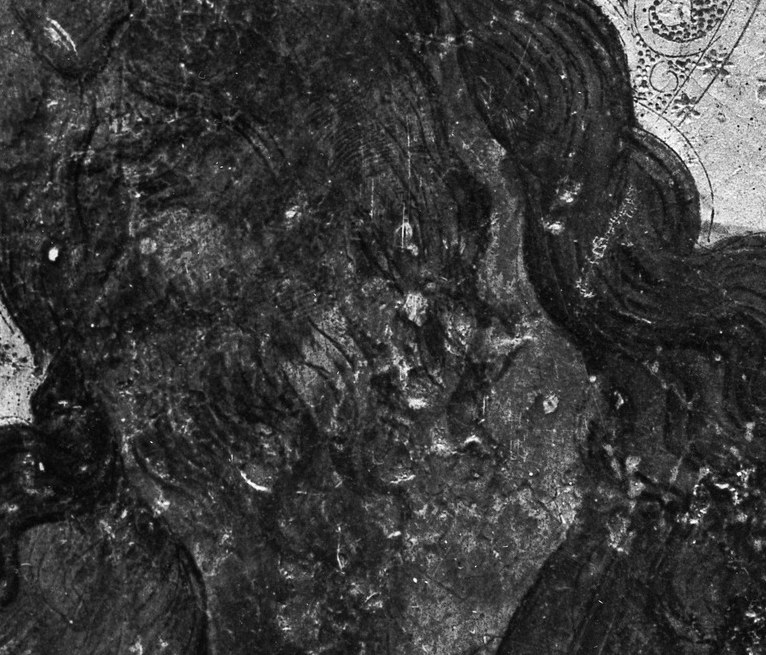
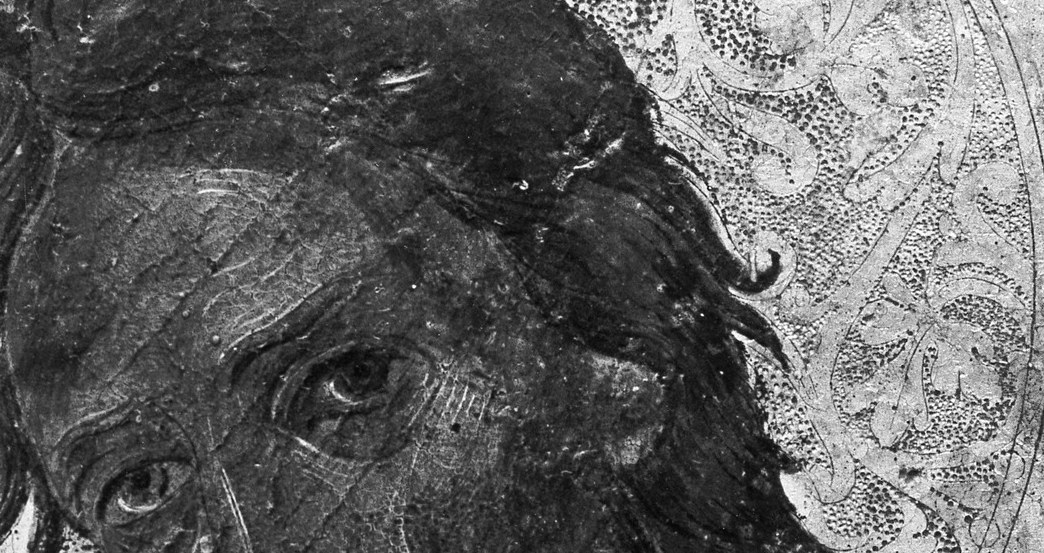
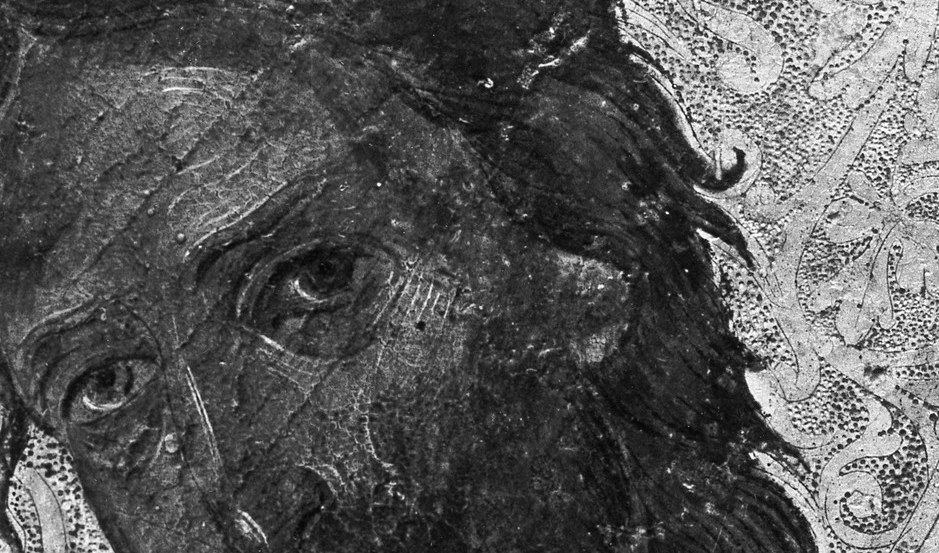
Look at the saint's shadowed face, emerging from the dark robe. His eyes are the brightest point, drawing you in. The texture of his beard and the intricate halo hint at his ascetic life and divine connection. The aged background adds to the solemn atmosphere.
This depiction of Saint John the Baptist, created in tempera, reflects Byzantine traditions. Tzanes, based in Venice, was a key figure in the Greek artistic community there, serving as parish priest and educator. His work contributed to the rich tradition of religious art in the region.
The overall impression is one of profound spiritual weight. The painting invites us to consider the contemplative, perhaps sorrowful, inner world of the saint.
Details
Transcript
This saint looks troubled. His dark robe hides all but his face. Only his eyes are fully lit. The beard suggests wild asceticism. A halo suggests divine presence. Emmanuel Tzanes painted this in 1663. His grave face carries the message.