Baron FitzGibbon by Gilbert Stuart
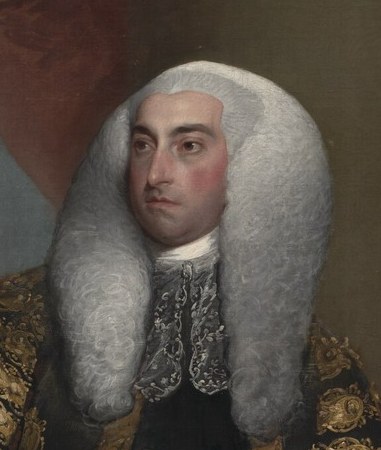
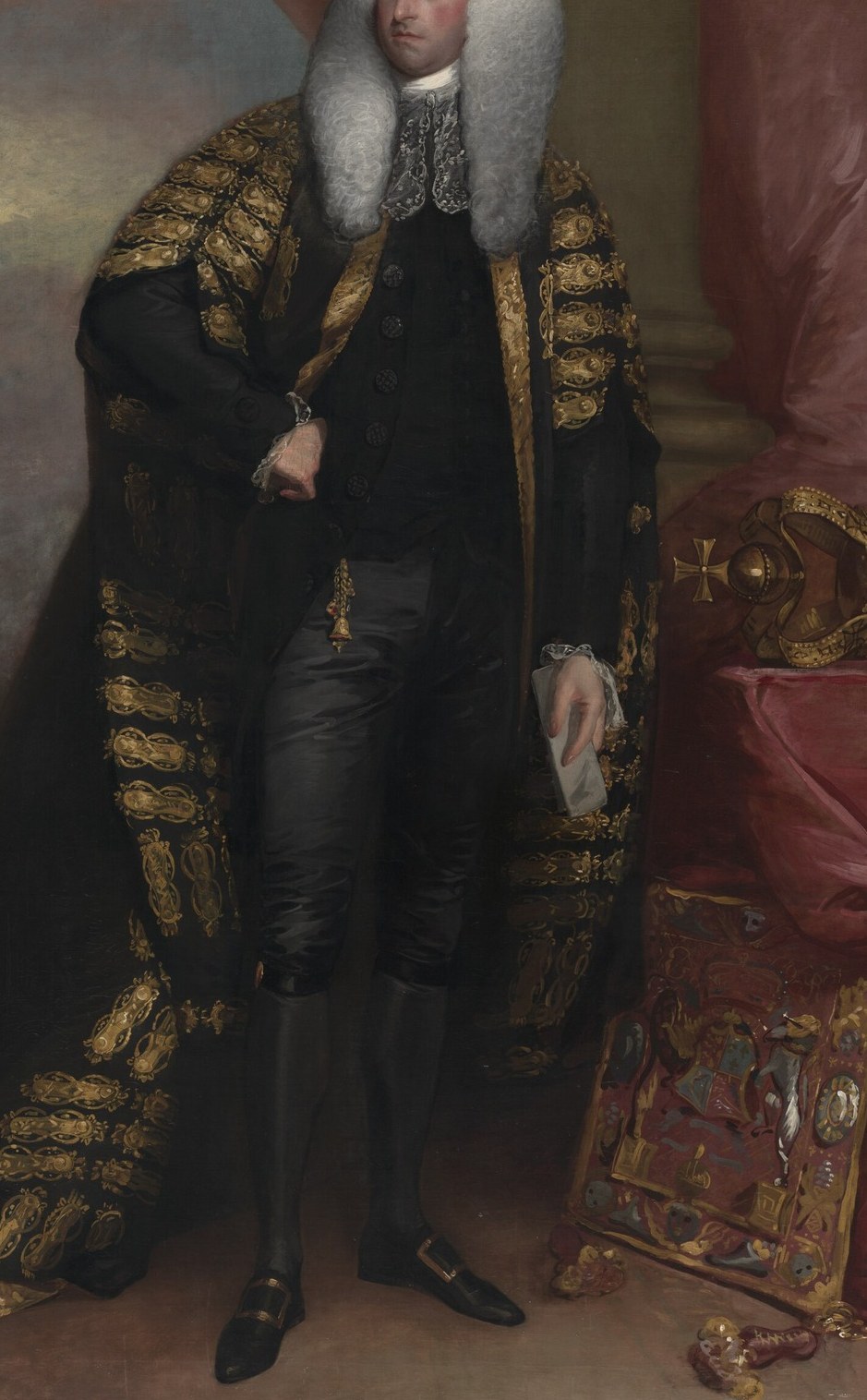
This portrait of Baron FitzGibbon by Gilbert Stuart, painted circa 1795 and held at The Cleveland Museum of Art, reveals Stuart's astonishing skill with oil paint. The nearly photographic realism of the textures, from the powdered wig to the ornate robe, showcases a virtuoso technique that still impresses today.
Observe the voluminous white wig, where Stuart meticulously rendered each powdered curl and strand of hair. Then, focus on the Baron's robe, noting the illusion of shimmering gold embroidery. Even the paper in his hand appears tangible, suggesting the tactile qualities of these materials were paramount to the artist.
Gilbert Stuart, an American portraitist celebrated for his insightful depictions of prominent figures, was known for his ability to capture both likeness and status. This painting, created during his European period, demonstrates his mastery of oil paint to create a sense of opulence and authority, typical of aristocratic portraiture in the late 18th century.
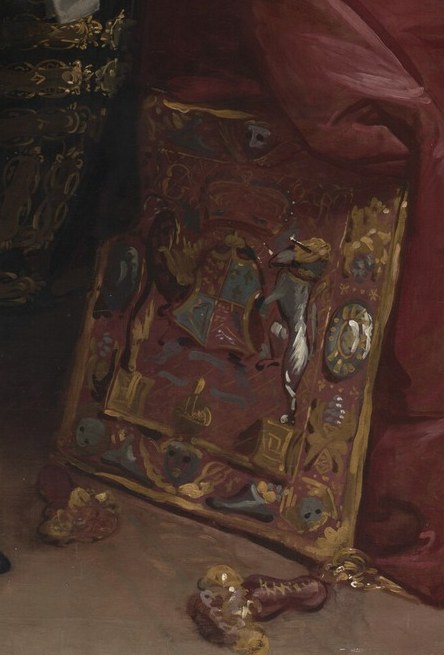
Stuart's technique here goes beyond mere representation, offering a study in how paint can simulate the very feel of fabric and the glint of metal.
Details
Transcript
This is Baron FitzGibbon. Look at the powdered wig. Stuart painted every hair. His gold-embroidered robe seems real. Threads of pure gold seem to shine. He holds a paper in his left hand. The paper seems to crinkle. Stuart painted this in 1795.