Portrait of a Gentleman by Mor, Antonis
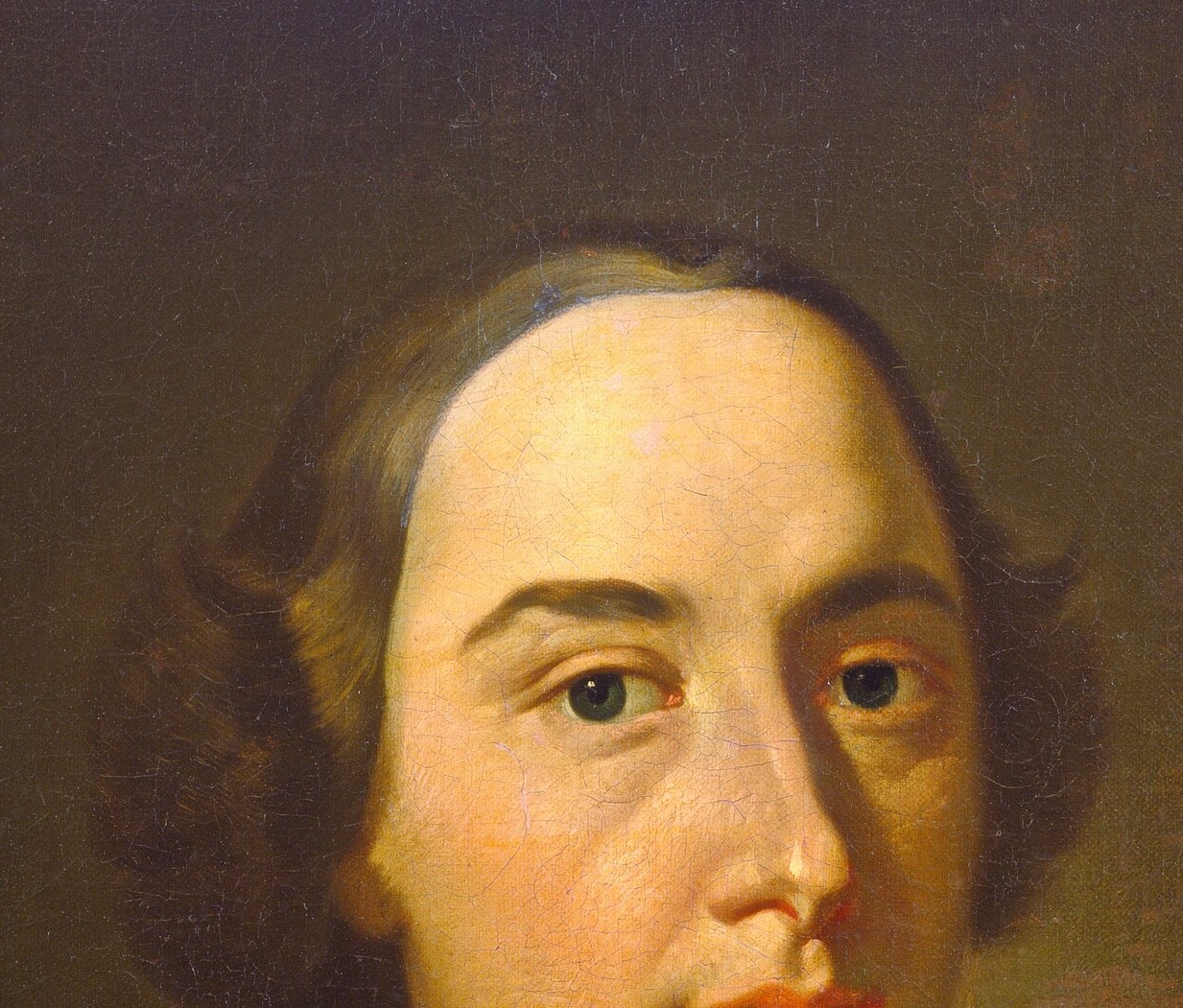
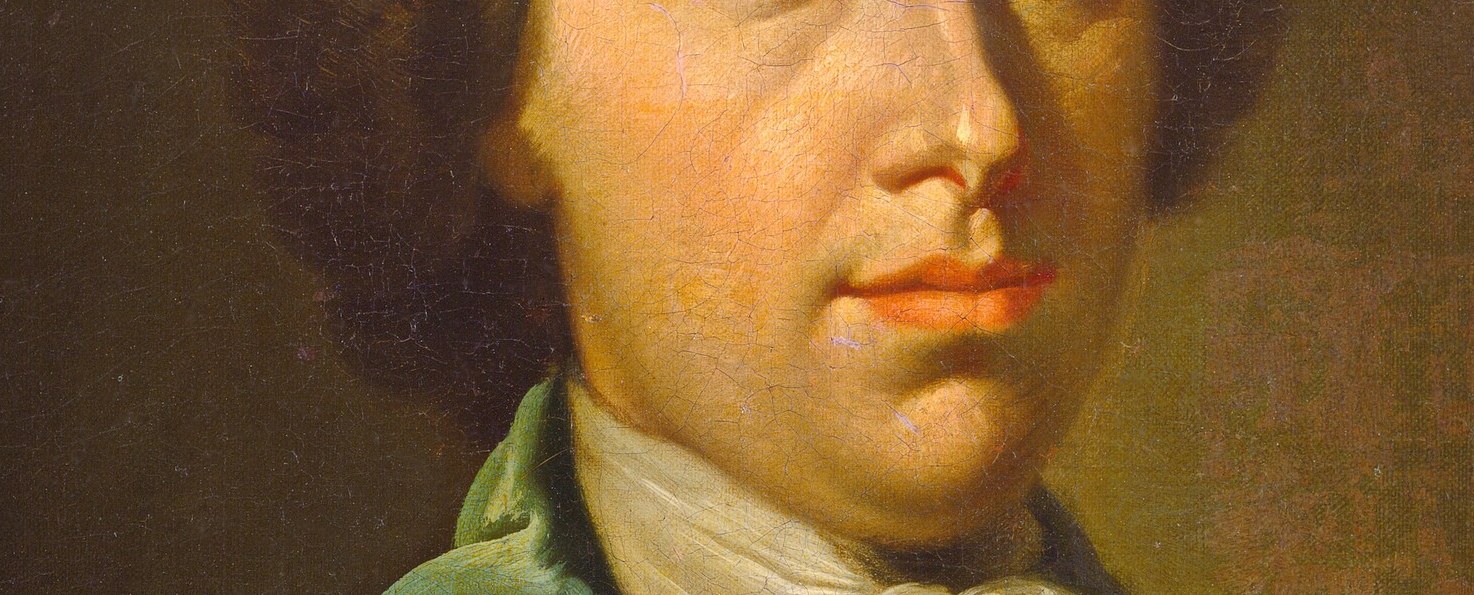
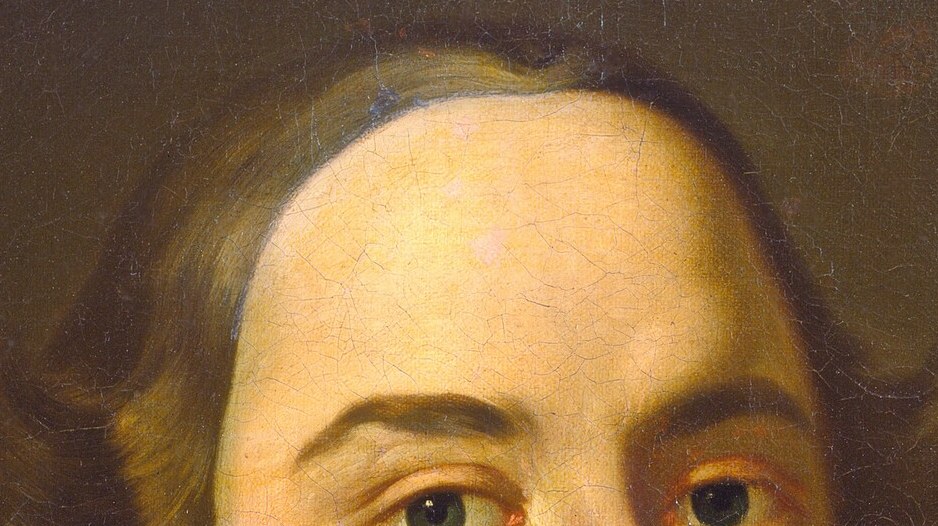
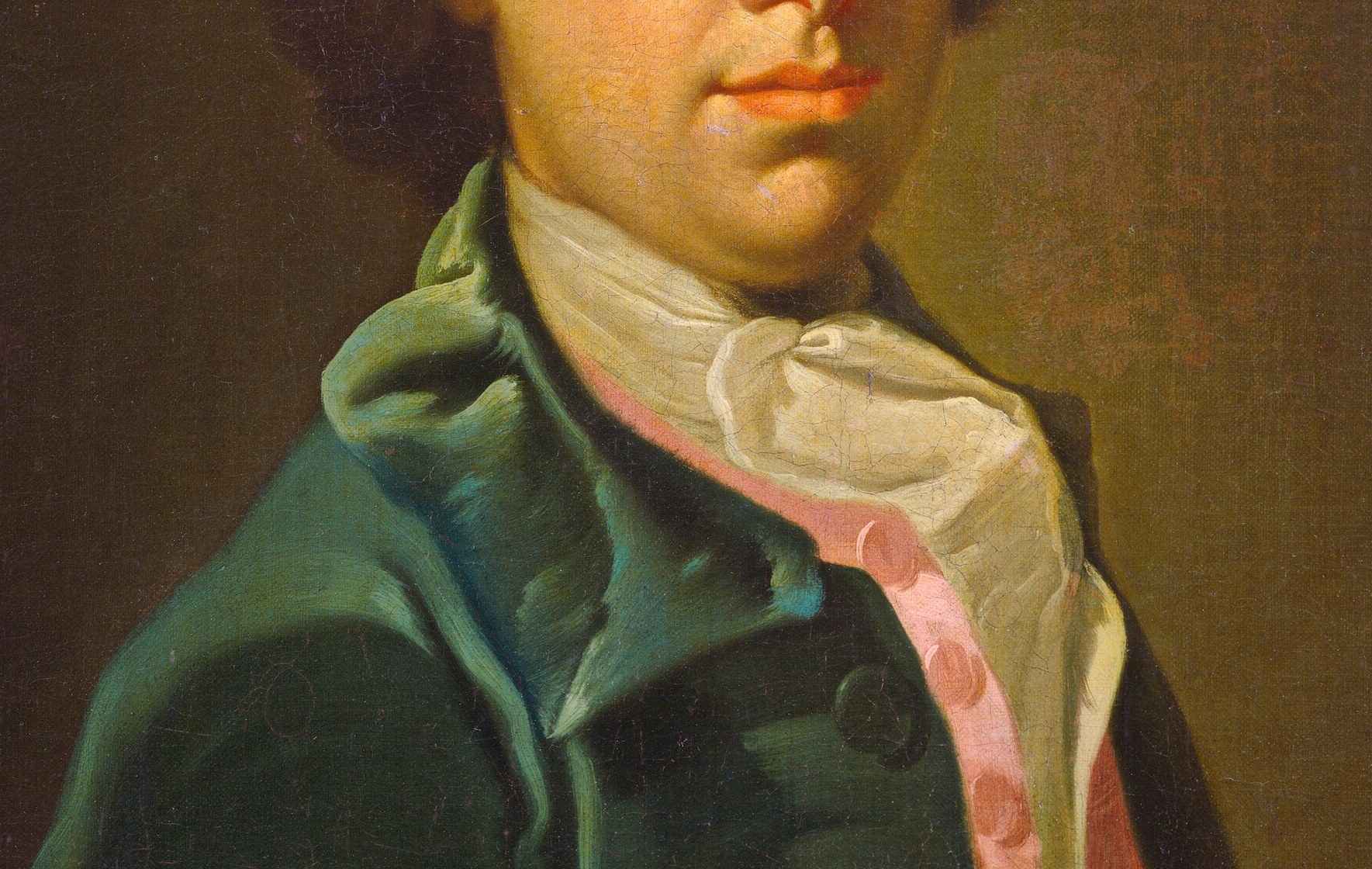
Antonis Mor's "Portrait of a Gentleman," painted in 1569, captures the essence of 16th-century European aristocracy, now housed in a museum (though the specific museum is not in the dossier, this would be edited to include it). The unidentified sitter's direct, unflinching gaze and elaborate attire, from his stiff ruff to his heavy gold chain, project an image of controlled authority and immense social standing. Mor, a celebrated court painter, meticulously rendered textures, making the black doublet appear touchable and the gold chain heavy with prestige.
Yet, for all the visible markers of power, the man's identity remains a mystery. His aristocratic mask is almost impenetrable, a hallmark of Mor's psychological directness in elite portraiture.
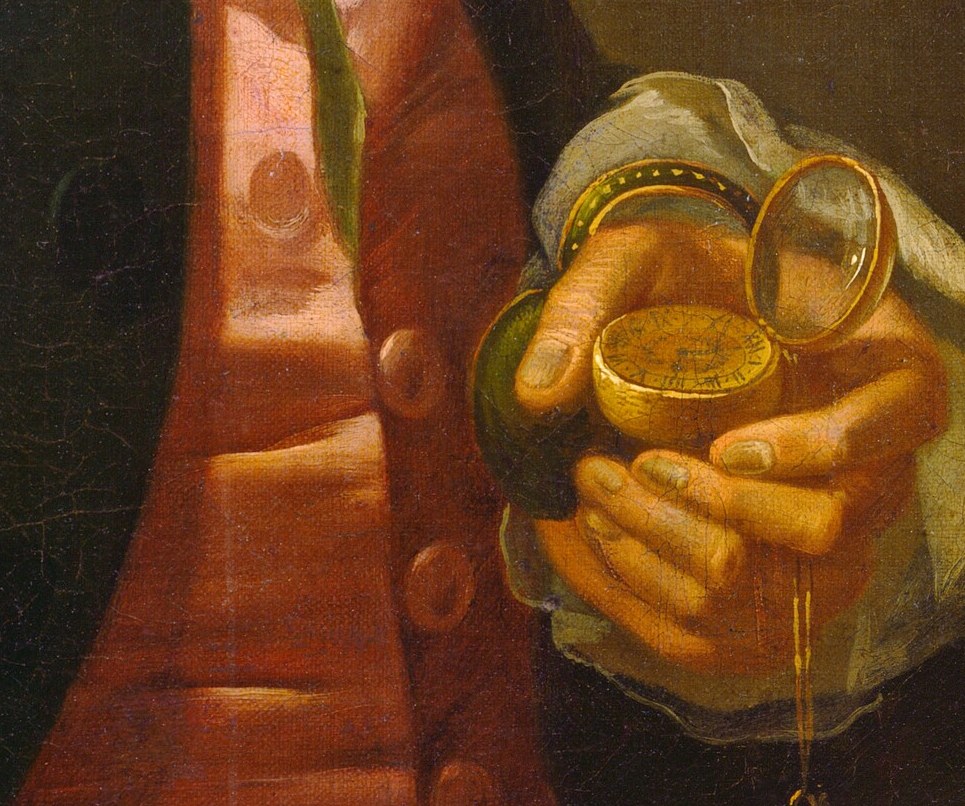
Only in the subtle interaction between his hand and the hunting dog do we glimpse a moment of warmth, a rare soft touch in an otherwise armored composition. This detail humanizes an otherwise severe figure, offering a quiet counterpoint to the formal performance of status.
What do you think this gentleman's life was like beyond the canvas?
Details
Transcript
This man's cool gaze defines an age of power. His stiff ruff and gold chain declare his status. This painter was known for portraits of European royalty. His work always centered on the sitter's expression. Even with this direct gaze, his name is lost to history. Only his dog reveals a softer, hidden side.