Water Lilies (Agapanthus) by Claude Monet
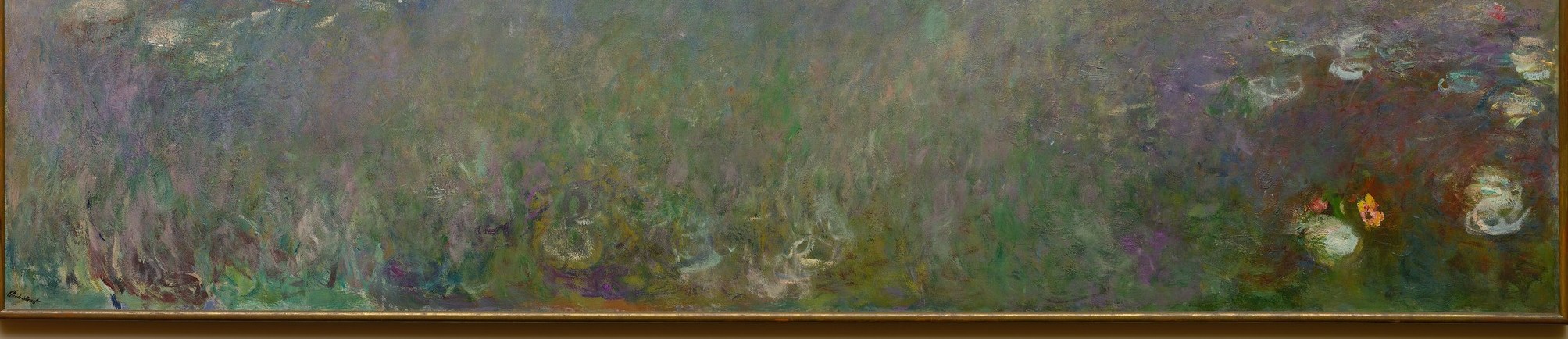
Claude Monet's Water Lilies (Agapanthus), painted in 1915, is a profound example of his dedication to capturing the transient effects of light and atmosphere in his iconic garden at Giverny. Held at The Cleveland Museum of Art, this work invites viewers to look beyond mere representation.
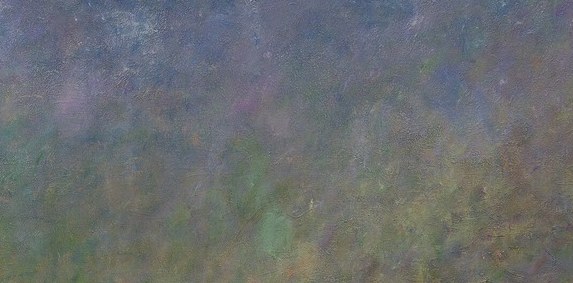
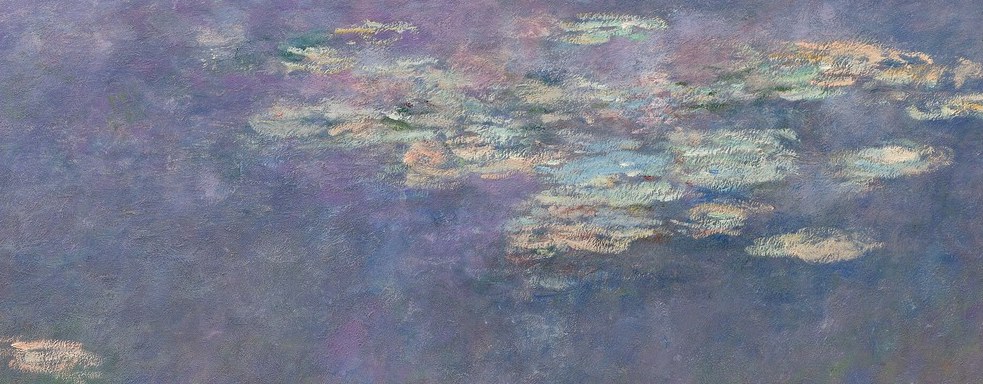
Notice how Monet's brushwork transforms the water's surface into a vibrant canvas of reflected light and sky. The visible, thick strokes create an almost abstract dance of color, giving the impression of depth and movement beneath the floating lilies and rising agapanthus.
Monet created this painting, part of his monumental "Water Lilies" series, during a period of personal loss and while his eyesight was failing due to cataracts. Despite these challenges, his ability to convey the sensory experience of nature, rather than a precise depiction, deepened, pushing the boundaries of Impressionism towards abstraction.
What do you see when you look at the surface of the water in this painting?
Details
Transcript
Monet painted his garden water lilies for decades. But look closely at the water's surface, not the flowers. He captures the sky's reflection with abstract brushstrokes. The heavy paint seems to glow with its own light. This effect makes the water feel deep and alive. He achieved this even while battling cataracts at 75.