Portrait of a Gentleman by British 18th Century
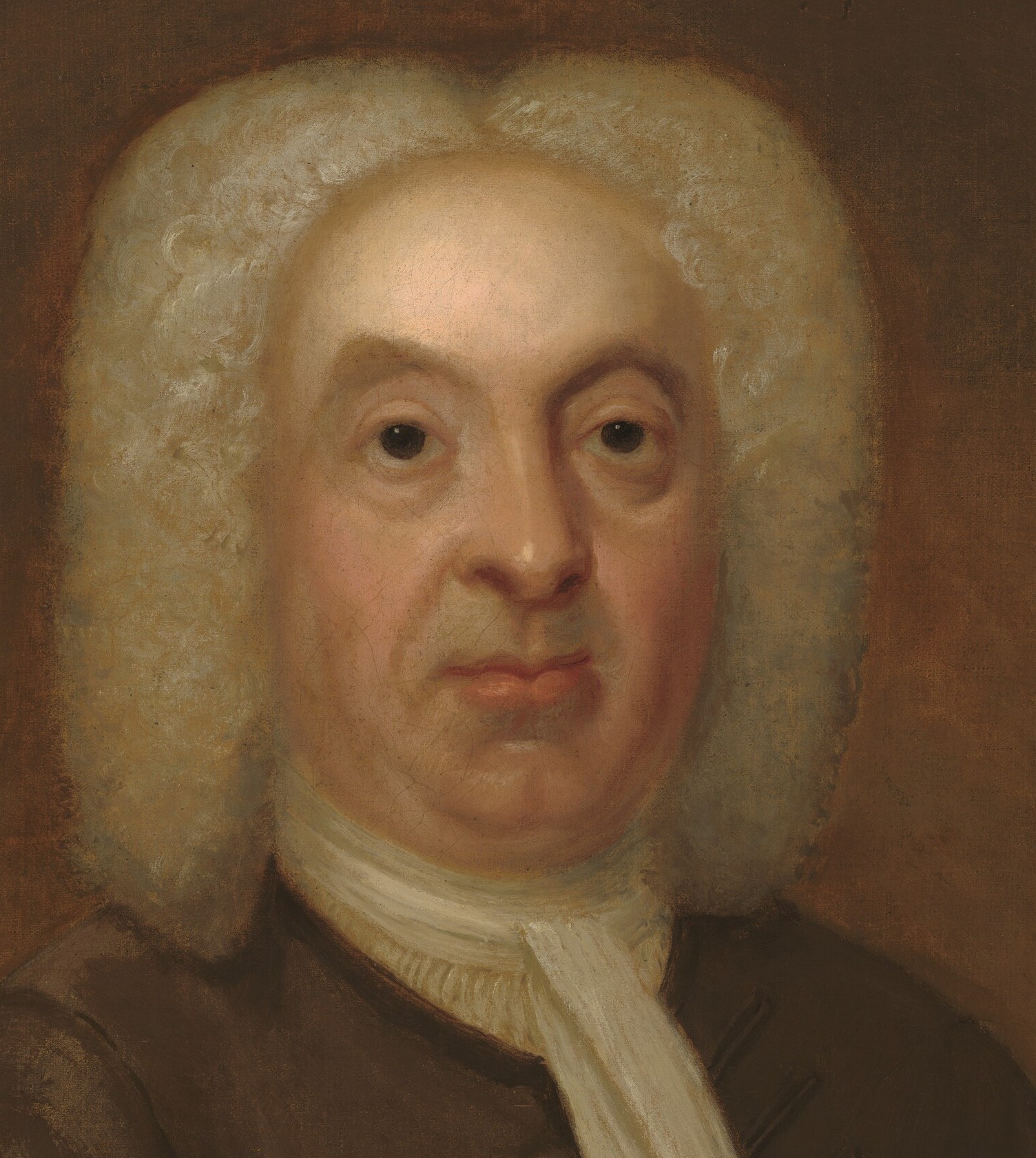
This "Portrait of a Gentleman," painted by an unknown British artist around 1720-1740, is a compelling example of 18th-century portraiture, now housed in a private collection. It's more than just a depiction of status; it's a window into an individual's presence.
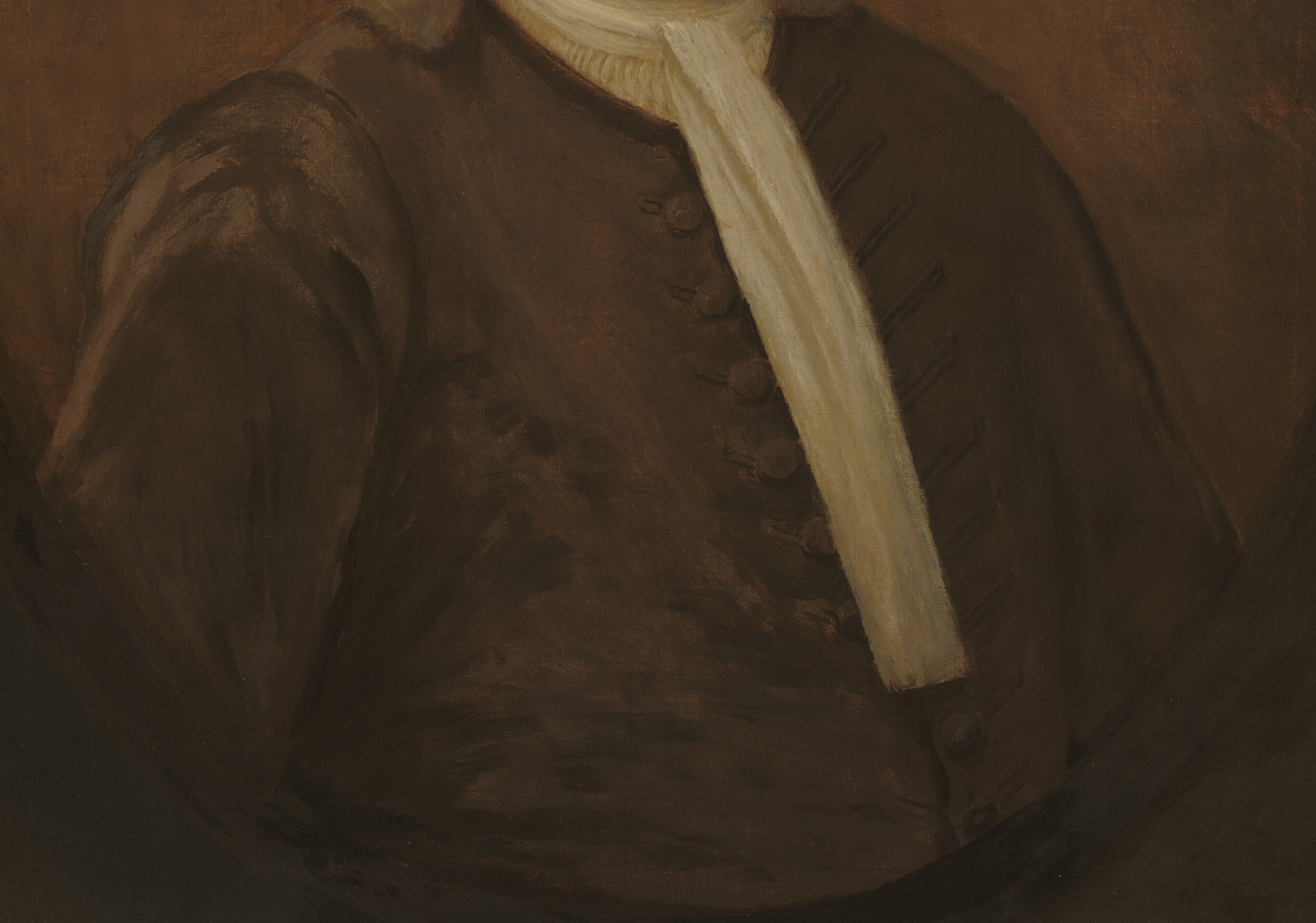
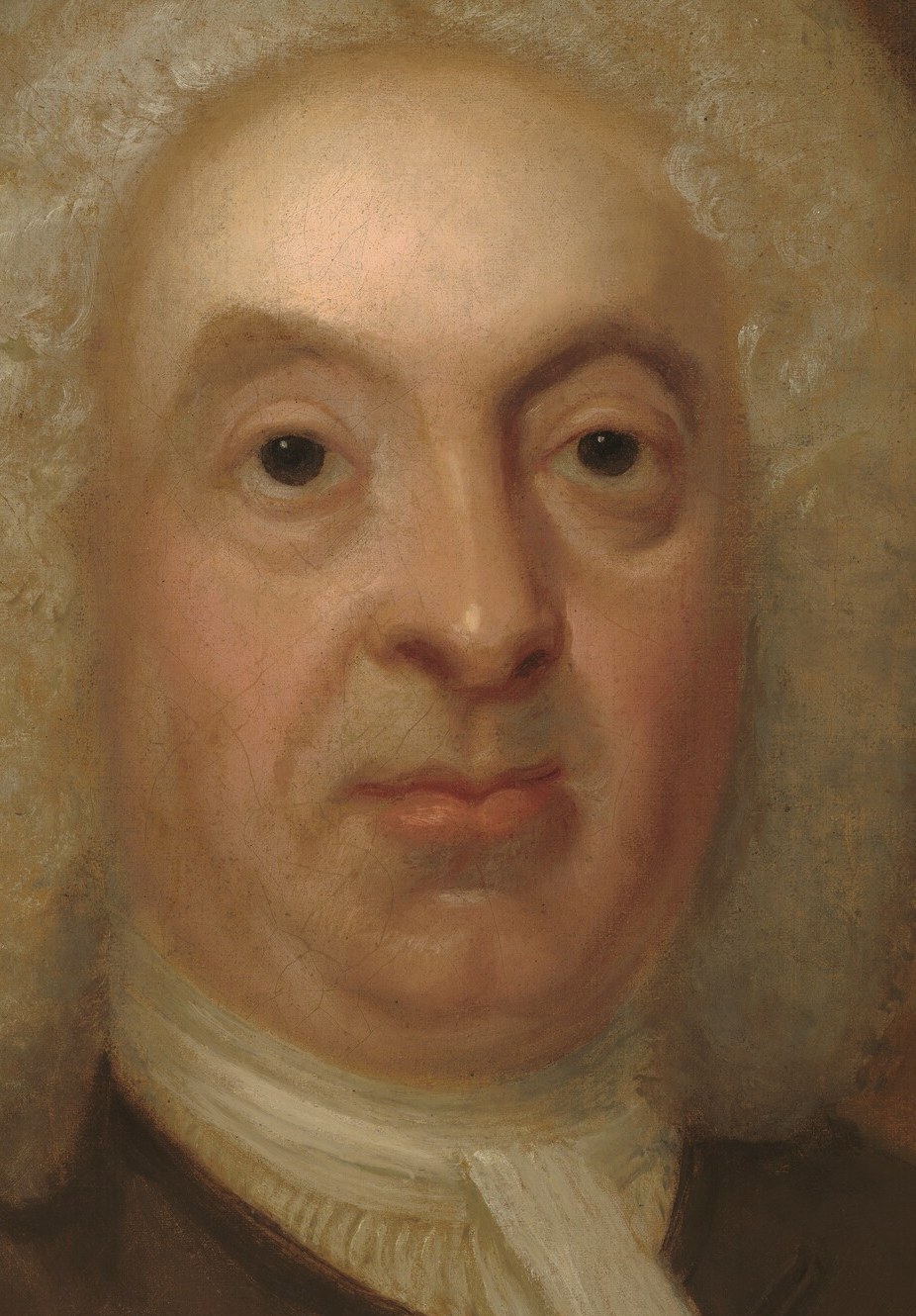
Observe the meticulous details: the elaborate powdered wig, the crisp white cravat, and the sober, expensive coat. These elements clearly signal the sitter's high social standing and the period's fashion. Yet, the true artistry lies in the subtle rendering of his face.
The artist used oil on canvas to create depth and texture, focusing on the gentleman's calm expression. Notice how his right eye engages the viewer, almost alive, while the left eye, softened by shadow, hints at a deeper, more private aspect of his character. This asymmetry adds a remarkable human quality, suggesting a real person rather than a mere archetype.
It reminds us that even in formal portraits, artists often captured the unique spark of the human spirit.
Details
Transcript
This gentleman poses in his powdered wig and finest cravat. A formal portrait, meant to convey status and decorum. But look closely at his face. His right eye seems to engage you directly, full of life. While his left eye, in shadow, carries a more private thought. The painter captured a real man, not just a dignified type.