The Agony in the Garden by Nicolas Poussin
Nicolas Poussin's "The Agony in the Garden," painted on copper in 1626, is a powerful depiction of Christ's prayer in Gethsemane. Now at The Metropolitan Museum of Art, it captures a moment of profound spiritual tension.
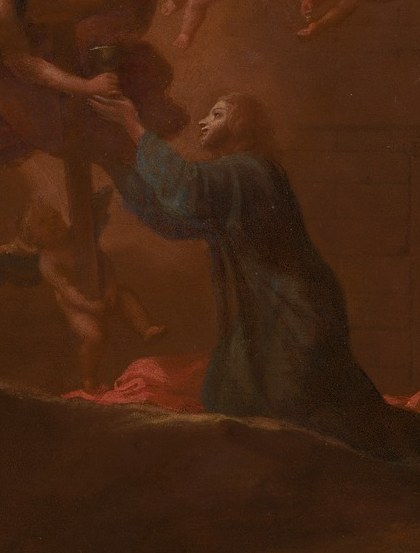
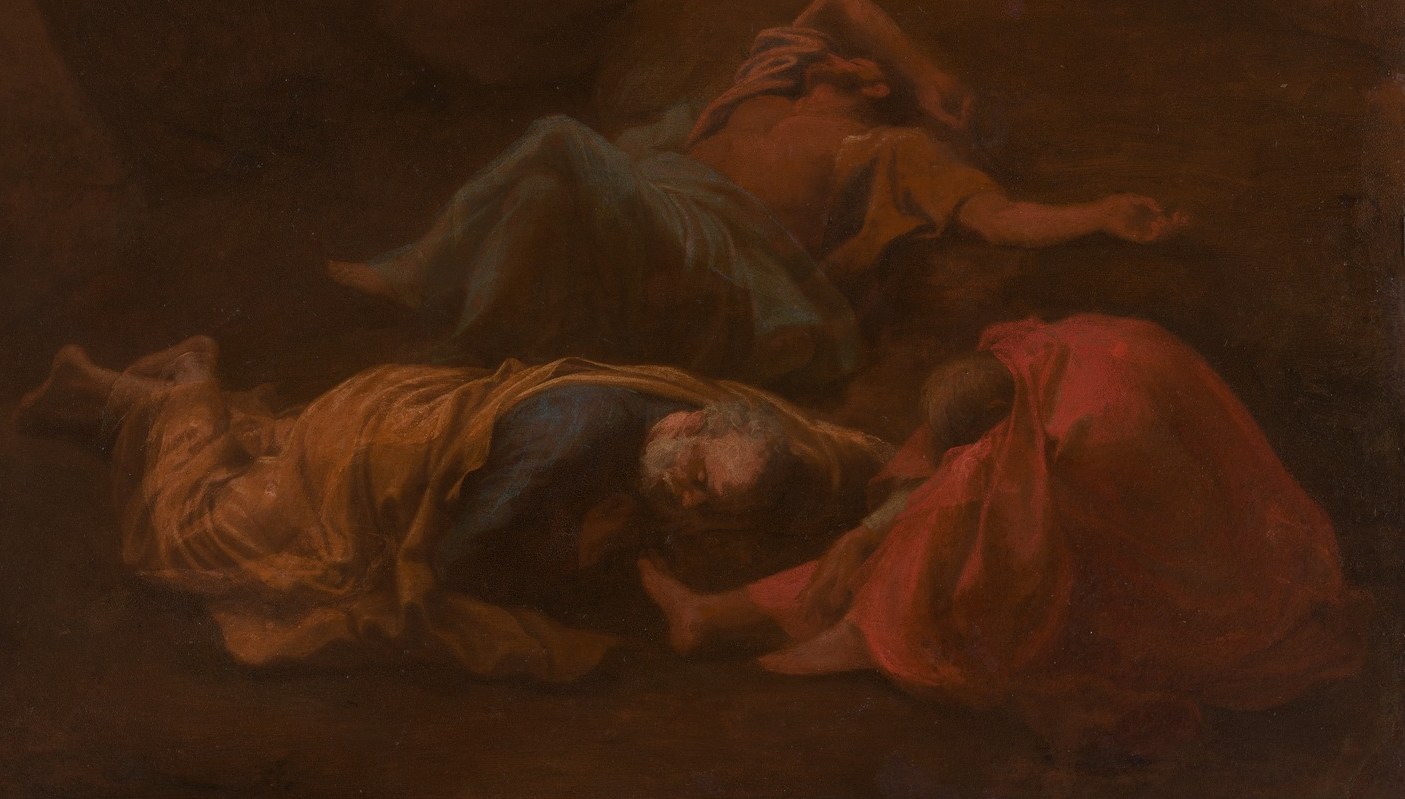
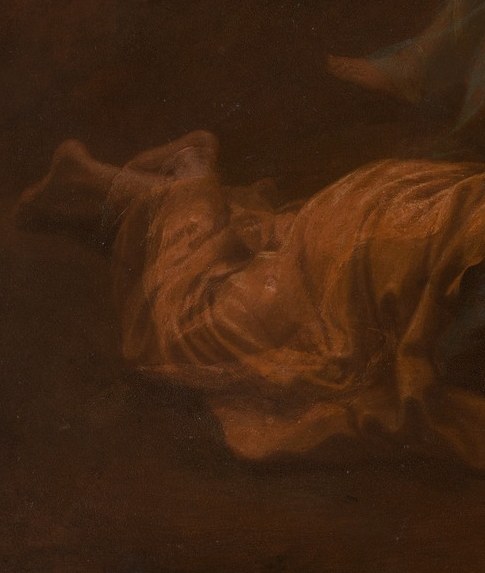
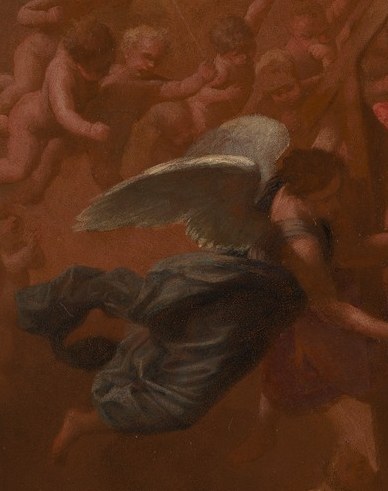
Look closely at Christ's face, illuminated by dramatic chiaroscuro, highlighting his anguish. The sleeping apostles around him symbolize human frailty, contrasting with the divine intercession of the hovering angel.
Poussin, a leading figure of the French Baroque, created this work early in his career while in Rome. The smooth copper surface allowed for the exquisite detail and luminous effects seen in the drapery and celestial figures.
This painting isn't just a biblical scene; it's a deeply human story of struggle and sacrifice. What emotions does this evoke for you?
Details
Transcript
This painting captures a moment of intense solitude and dread. Christ, kneeling in prayer, faces an agonizing choice. The dramatic light on his face emphasizes his deep inner turmoil. He is surrounded by his disciples, asleep in their human weakness. Poussin painted this on copper, allowing for luminous, detailed surfaces. An angel hovers above, a divine presence in his darkest hour. This work reflects Counter-Reformation demands for affective religious art.