On the Terrace by Pater, Jean-Baptiste Joseph
Jean-Baptiste Joseph Pater’s "On the Terrace" (c. 1732) captures an idyllic scene of leisure and flirtation, typical of the Rococo era. The painting, now in a museum collection, embodies the elegant social gatherings favored by 18th-century French and Flemish artists.
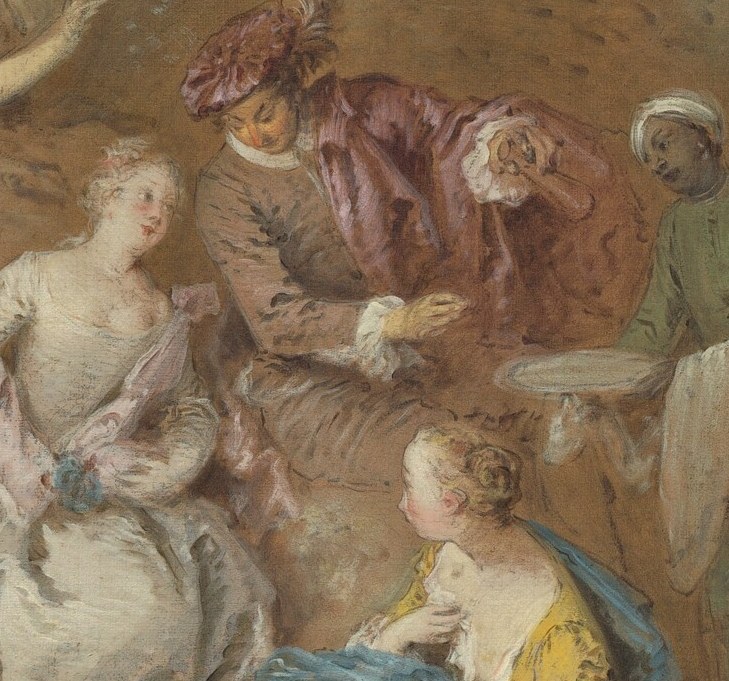
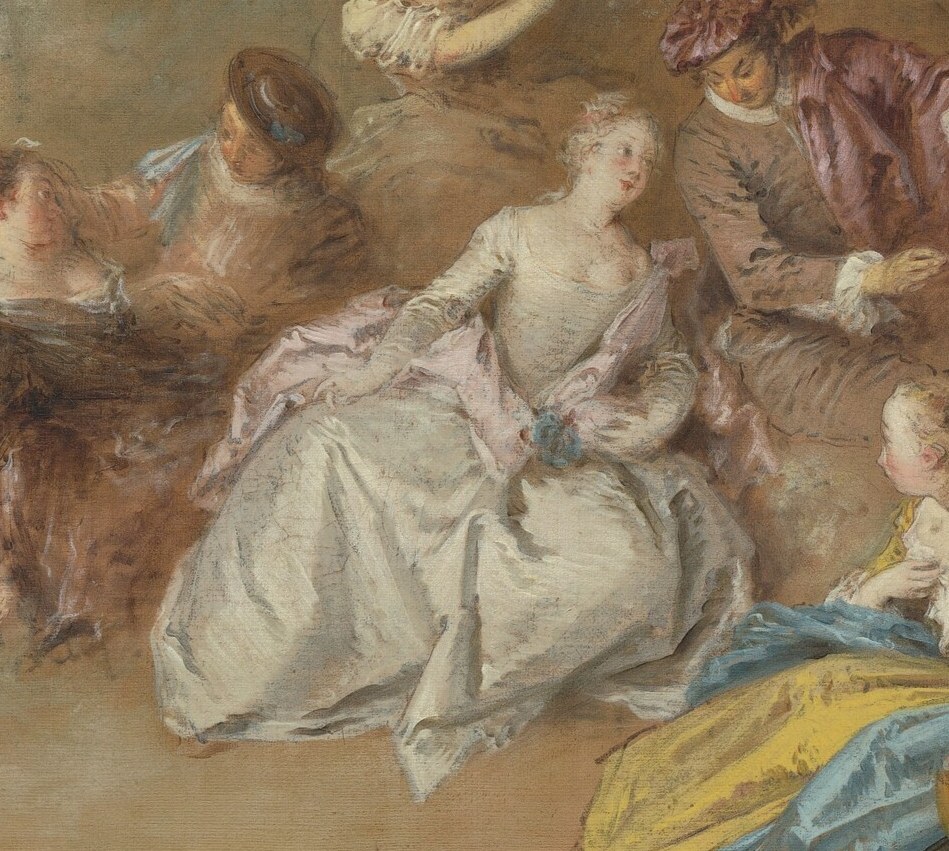
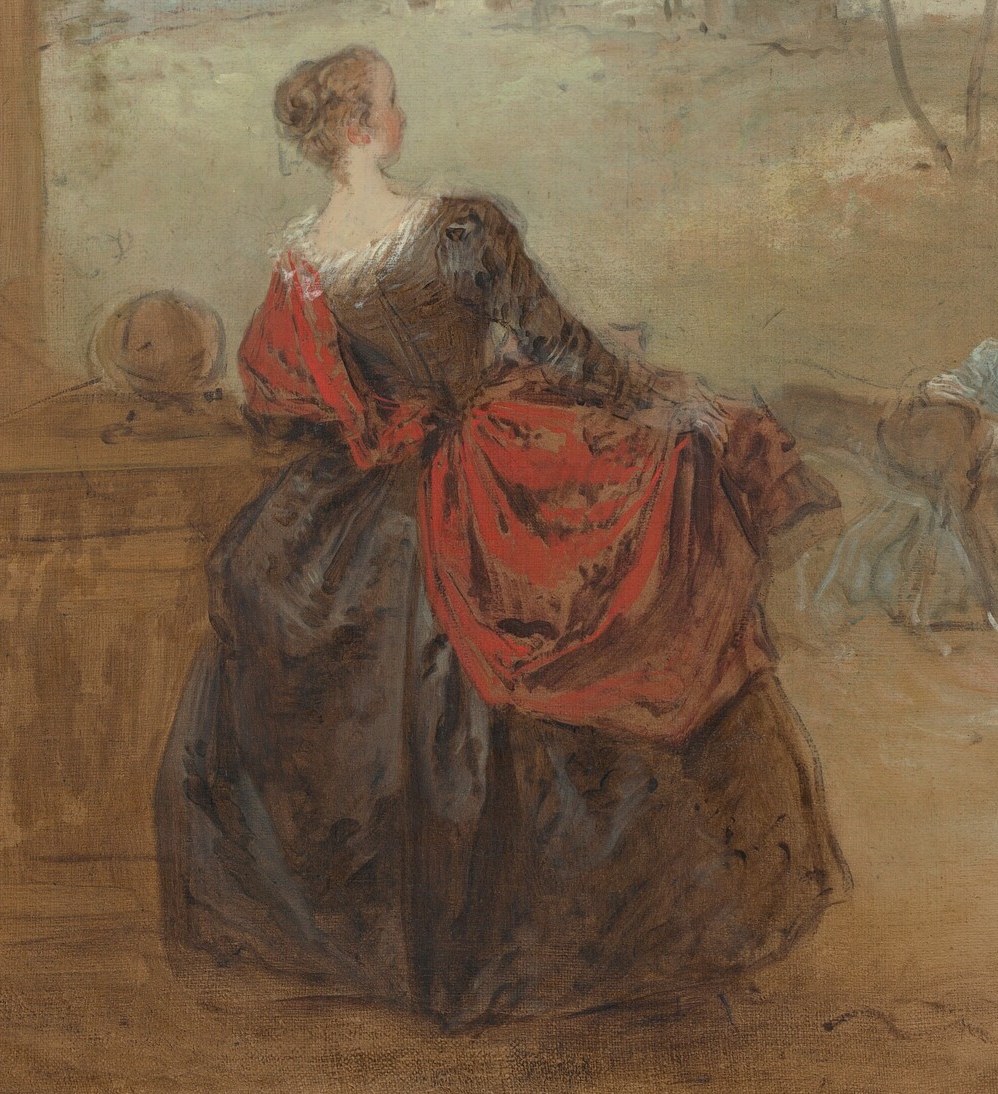
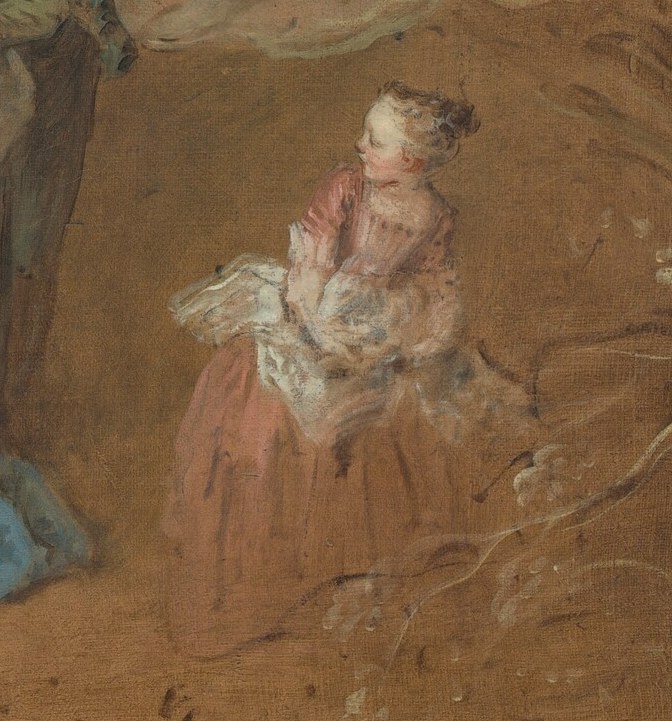
Notice the detailed costumes and the relaxed poses of the figures, particularly the woman holding flowers who seems to pause in a moment of quiet reflection amidst the jovial company. The loose brushwork in the foliage and sky adds to the painting's atmospheric charm.
Pater was a student of the celebrated Antoine Watteau, who profoundly influenced his style. Tragically, both master and student had short lives; Watteau died at 37, and Pater himself only lived a few years longer. This painting, created in the early 1730s, stands as a testament to Pater's skill in emulating and continuing his teacher's artistic legacy.
It makes one wonder about the fleeting nature of both life and beauty, echoing the very themes often found in such pastoral scenes.
Details
Transcript
In this world, everything is pleasure, flirtation, and ease. This painter was a student of the legendary Antoine Watteau. But his teacher Watteau died young, at just 37 years old. He kept painting scenes like this, reflecting Watteau's style. Look closely at the woman holding flowers, lost in thought. Pater himself lived only a few years longer than his master.