An October Day by Frank Knox Morton Rehn
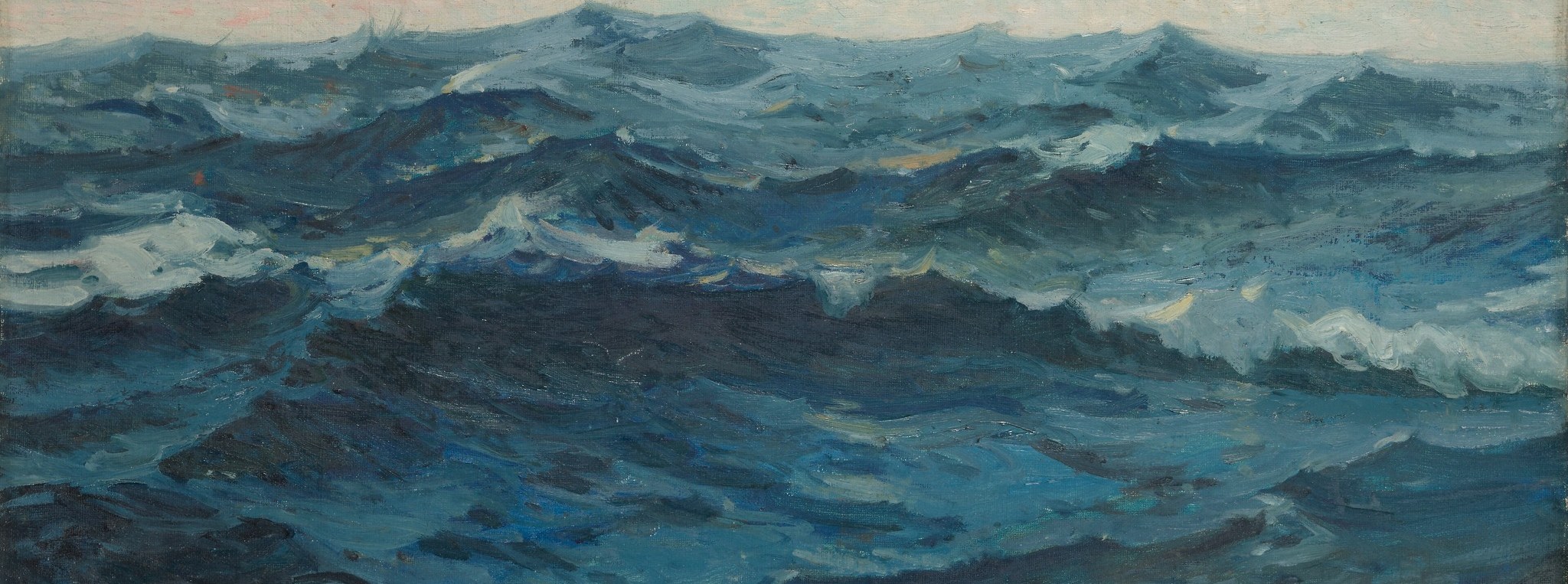
Frank Knox Morton Rehn's *An October Day*, painted in 1896, captures the raw power and subtle light of a late 19th-century American coastal scene. This oil painting, part of The Cleveland Museum of Art's collection, is a prime example of American Impressionism.
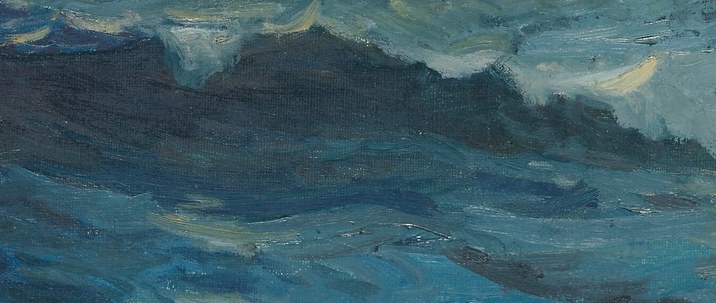
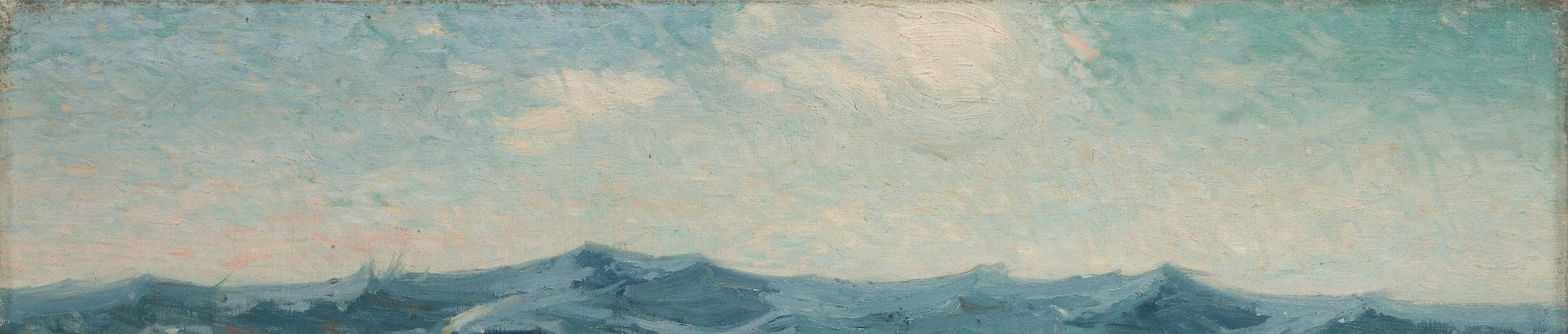
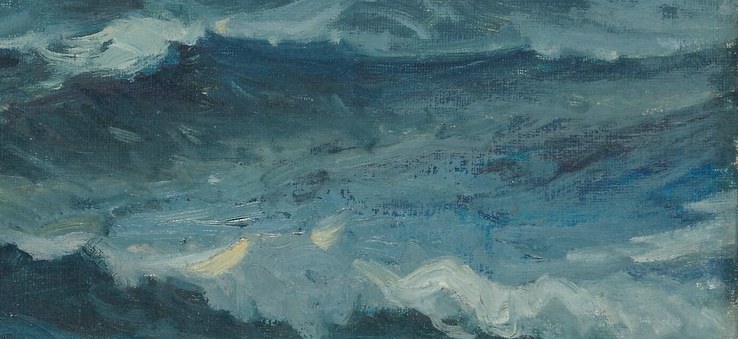
Rehn masterfully uses thick impasto to create the tactile texture of the churning waves, while the muted sky hints at the soft, diffused light of an overcast autumn day. Look closely at the energetic brushstrokes, which convey the fleeting atmosphere and movement of the turbulent sea.
During this period, American artists like Rehn were increasingly adopting Impressionist techniques to depict local landscapes and seascapes, adapting French innovations to domestic subjects. Rehn, also president of the Salmagundi Club, was known for his marine works that brought the Atlantic and Great Lakes coasts to life.
It’s a powerful portrayal of nature's vigor and the shifting beauty of seasonal light. What does this painting tell you about October?
Details
Transcript
This painter was known for capturing the sea's wildness. He used thick paint to give the water texture and power. Notice the subtle light, suggesting an overcast autumn day. In 1896, American artists adapted French Impressionism to local scenes. The energetic brushstrokes convey the fleeting moment of an unsettled ocean. It's a vibrant snapshot of the American coast in the late 1800s.