Richmond Castle, Yorkshire by Philip Wilson Steer
Philip Wilson Steer's Richmond Castle, Yorkshire, painted around 1903, shows the artist's shift to inland landscapes, influenced by masters like Constable and Turner. The work captures a historic site, offering a look into early 20th-century British scenery.
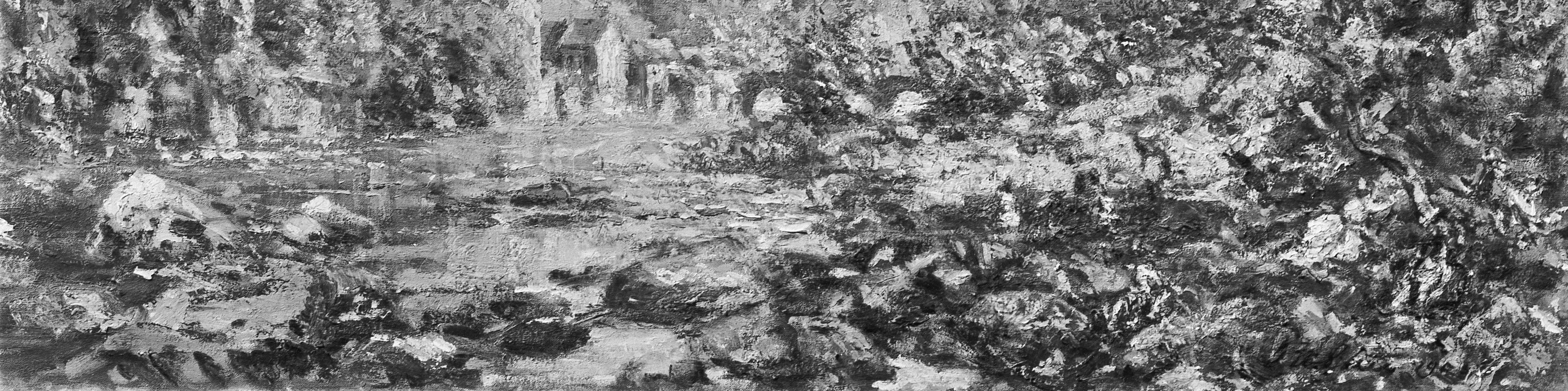
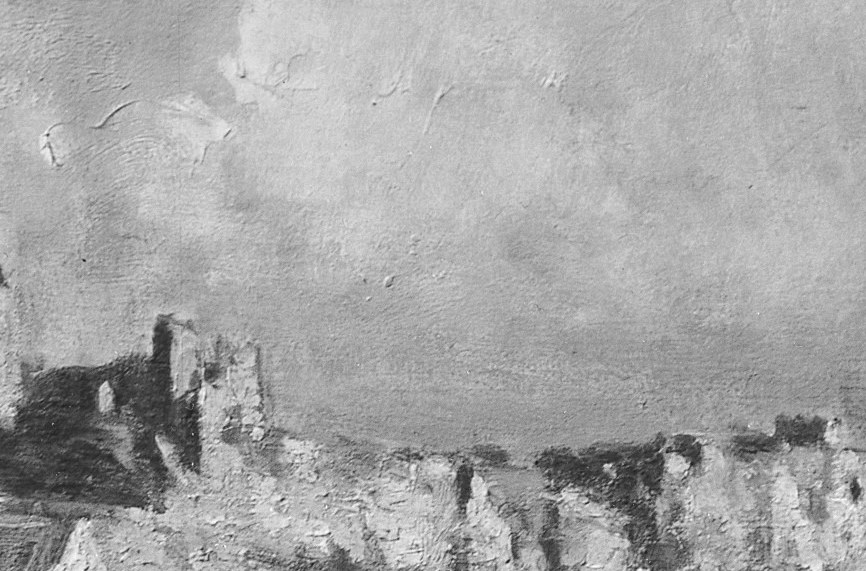
Look at the thick application of paint in the foreground rocks, a technique called impasto, which gives the surface a tangible texture. Notice the dramatic, swirling clouds, rendered with visible brushstrokes that highlight the artist's hand and the materiality of the oil paint.
Steer was a key figure in British Impressionism and a respected teacher at the Slade School of Art. After focusing on coastal scenes, he turned to rural subjects, drawing inspiration from the English landscape tradition.
This painting is a testament to Steer's evolving artistic vision and his enduring connection to the British countryside.
Details



Transcript
This is Richmond Castle, Yorkshire. The painter used thick paint for these rocks. A dense tree stands to the right. Dramatic clouds swirl overhead. The artist painted this in 1903. He was influenced by Constable and Turner. Steer taught at the Slade School for years. His brushstrokes reveal the act of creation.