A country home by Jan van der Heyden
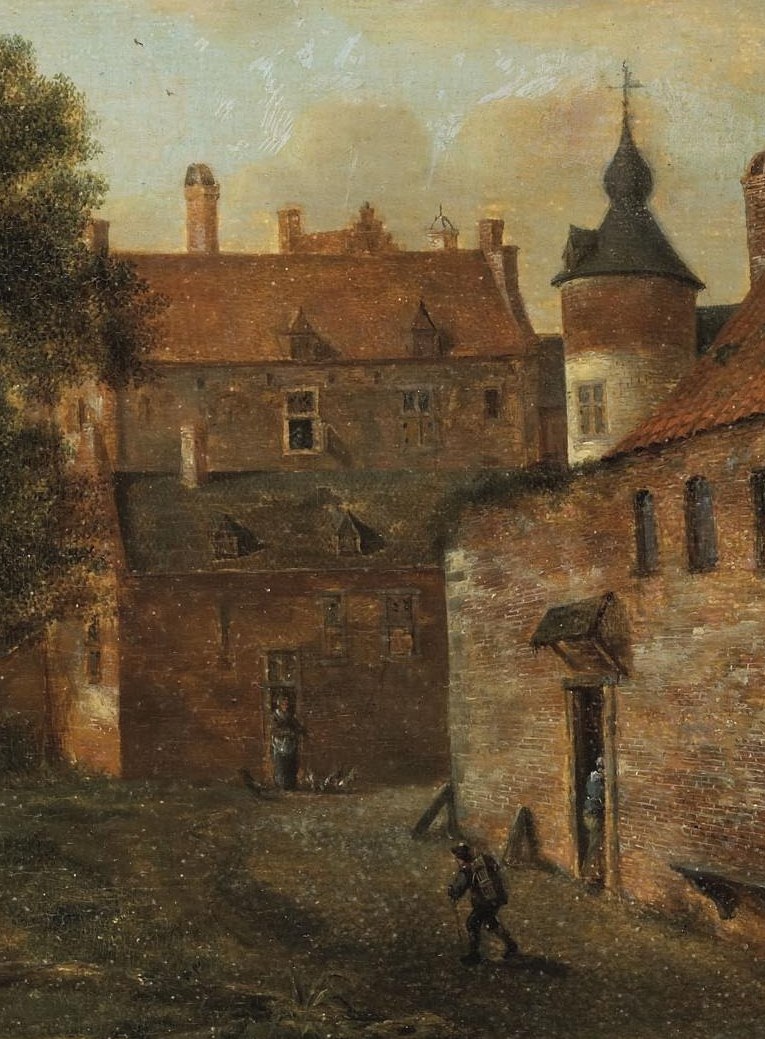
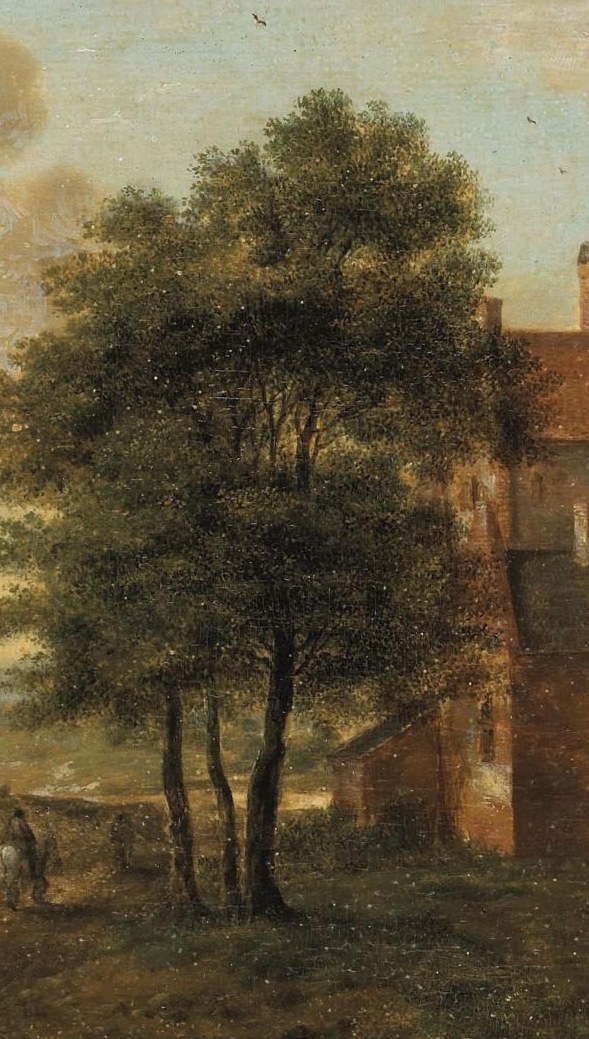
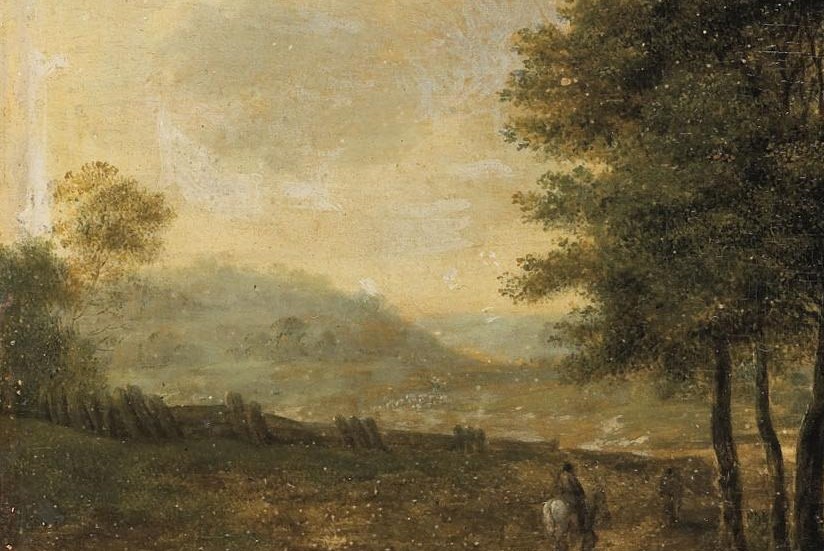
The man who painted this quiet country scene also invented the fire hose and designed Amsterdam's street lighting. Jan van der Heyden's A country home (ca. 1686) hangs at the Rijksmuseum, and it carries an engineer's mind in every brushstroke.
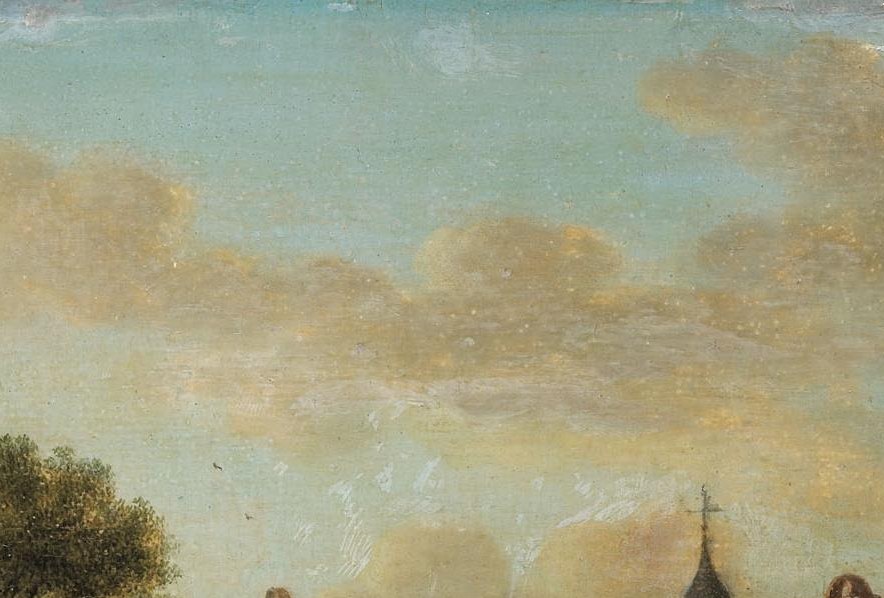
Look at the brickwork of the main house: precise, measured, structural. The dark window shows exactly where shadow belongs, the same knowledge he applied when he mapped Amsterdam's streetlamps. Even the clouds follow the rules of light he studied.
Van der Heyden was one of the first Dutch painters to specialize in townscapes, but his practical inventions may have been more important: his improved fire hose (1672), his reorganization of the volunteer fire brigade, and the first firefighting manual all saved lives. His street lighting scheme operated from 1669 until 1840.
What does it mean when an engineer picks up a brush? A different way of seeing. Precision where others found blur.
Details
Transcript
This quiet country home was painted by an inventor. The brickwork. An engineer measured every line. One window stays dark. He knew where shadow belonged. Even the clouds follow rules of light he understood. Same man who invented the fire hose. Same mind that lit Amsterdam.