Head of Saint John the Baptist on a Charger by Aelbrecht Bouts
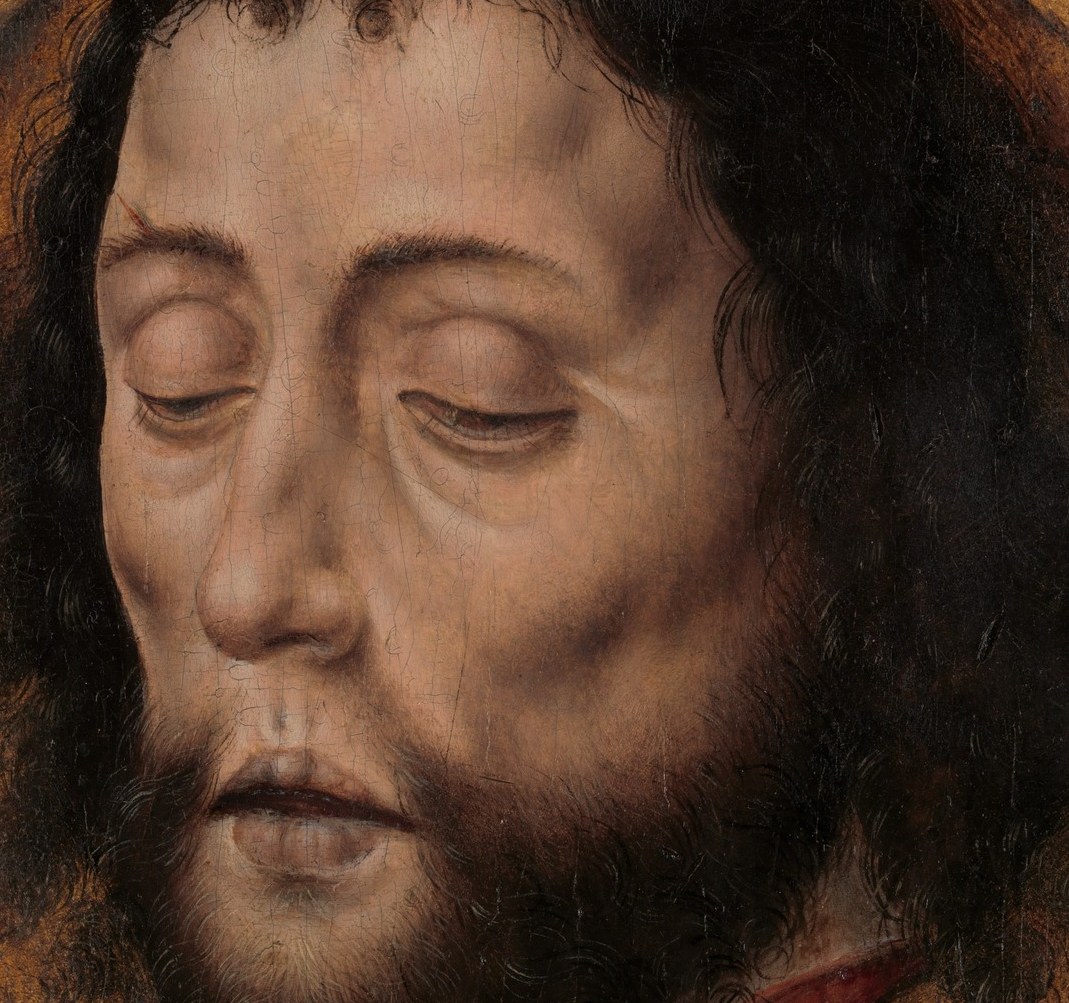
Aelbrecht Bouts's "Head of Saint John the Baptist on a Charger," painted around 1500, offers a profoundly contemplative depiction of martyrdom. This oil painting, held at The Metropolitan Museum of Art, invites viewers to reflect on sacrifice and faith.
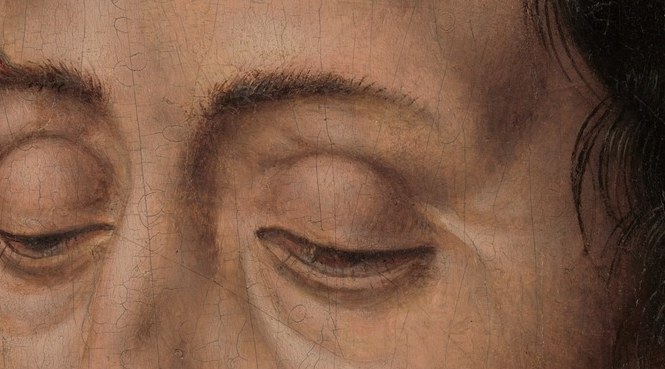
Observe the serene expression on Saint John's face, even after his beheading. The detailed rendering of his beard, hair, and the subtle wrinkles on his forehead, combined with his closed eyes and slightly parted lips, conveys a sense of peaceful repose that transcends the violence of his fate.
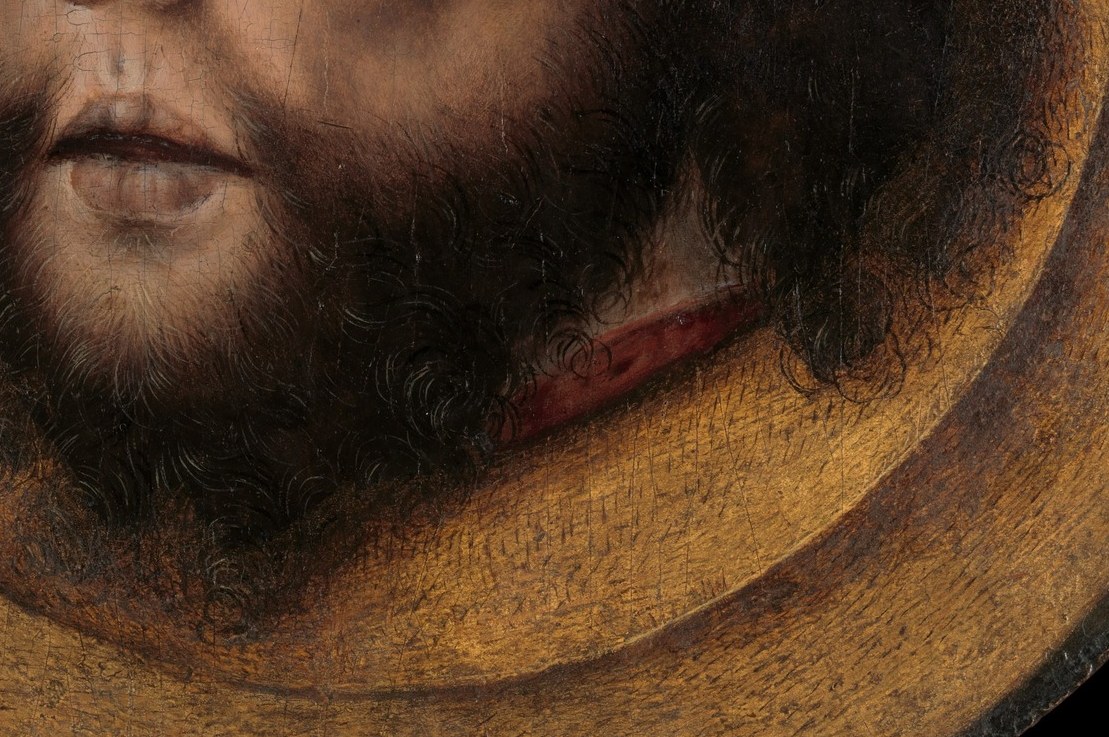
Bouts, an Early Netherlandish painter from a family of artists in Leuven, employed the technique of glazing, applying numerous thin, transparent layers of oil paint. This method allowed him to achieve the deep, luminous colors and subtle tonal transitions that give the work its rich texture and lifelike quality, particularly evident in the stark neck wound contrasting with the calm facial features.
This powerful devotional image, a testament to the artistic traditions of the Northern Renaissance, continues to resonate today. What do you find most striking about this depiction of quiet dignity?
Details
Transcript
This is a quiet, devotional image from 1500. It shows Saint John the Baptist, after his beheading. The artist used many layers of oil paint, called glazing. This creates deep, luminous colors, like the wound's red. But his face is calm, eyes closed in peaceful repose. The parted lips suggest a final breath, or a sigh. He seems to transcend the violence of his martyrdom.