The Pentecost by Juan Bautista Maíno
Juan Bautista Maíno's "The Pentecost," painted in 1612, captures a pivotal moment of divine inspiration within the Museo del Prado.
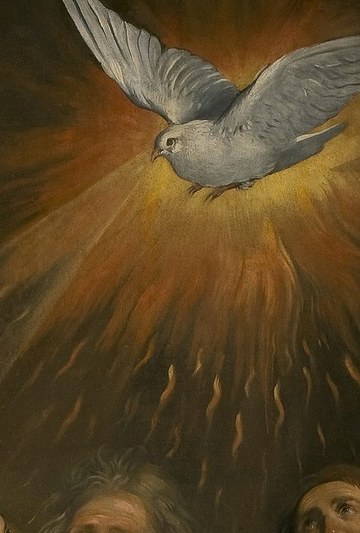
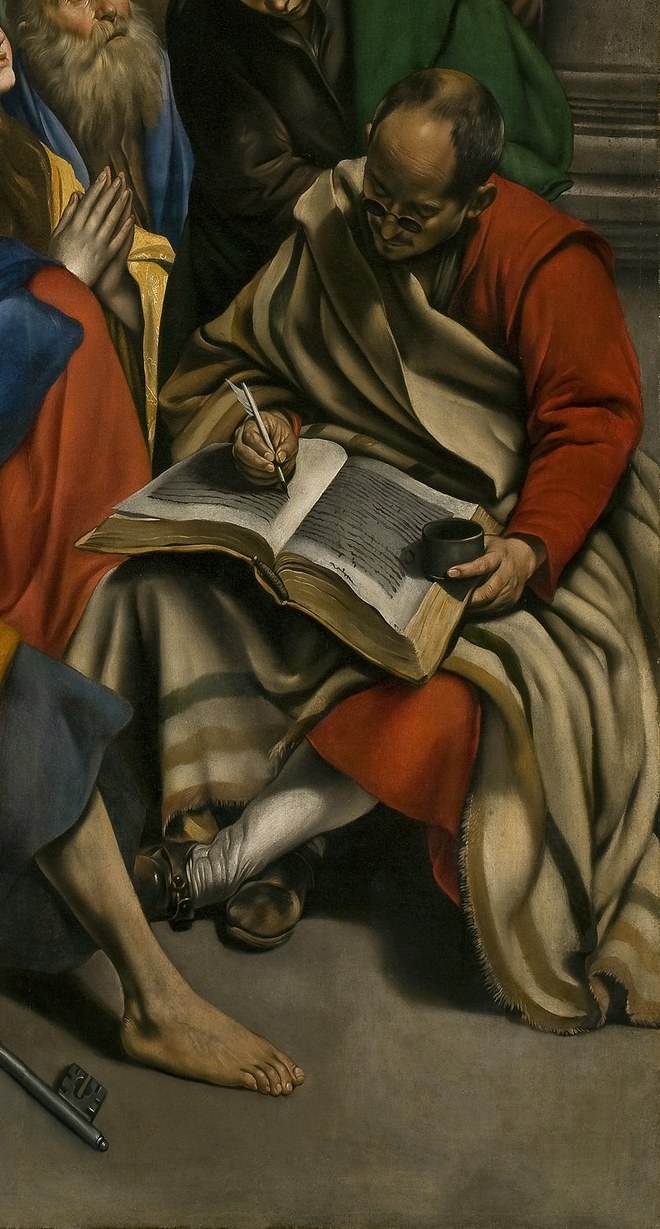
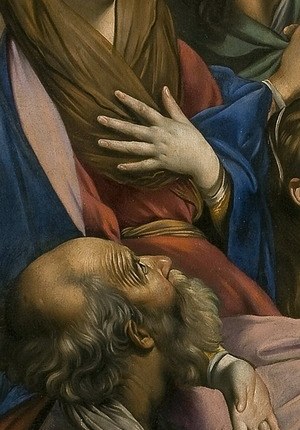
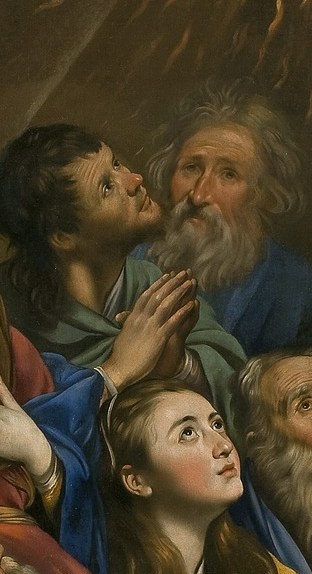
The painting shows the descent of the Holy Spirit, symbolized by a radiant dove, upon the apostles and disciples. Observe the varied reactions: a figure intently writing, another with hands clasped in prayer, and one with a hand pressed to her heart, deeply feeling the spiritual presence. The iron key on the floor symbolizes the new authority bestowed.
Maíno, trained in Italy, blended Caravaggio's dramatic chiaroscuro with a distinctly Spanish devotional tone. This work was created during the Counter-Reformation, a period when vivid, emotionally resonant religious imagery was highly valued to inspire piety.
It remains a powerful depiction of collective awe and spiritual awakening. What part of this scene draws your eye the most?
Details
Transcript
This is Pentecost, when the Holy Spirit descended. A dove, the Holy Spirit, radiates light from above. Look at the key on the floor, symbolizing authority. One man writes, recording the divine revelation. Another touches her heart, feeling the spirit deeply. The painter completed this work in 1612.