The Railway by Manet, Edouard
View the artwork: The Railway →
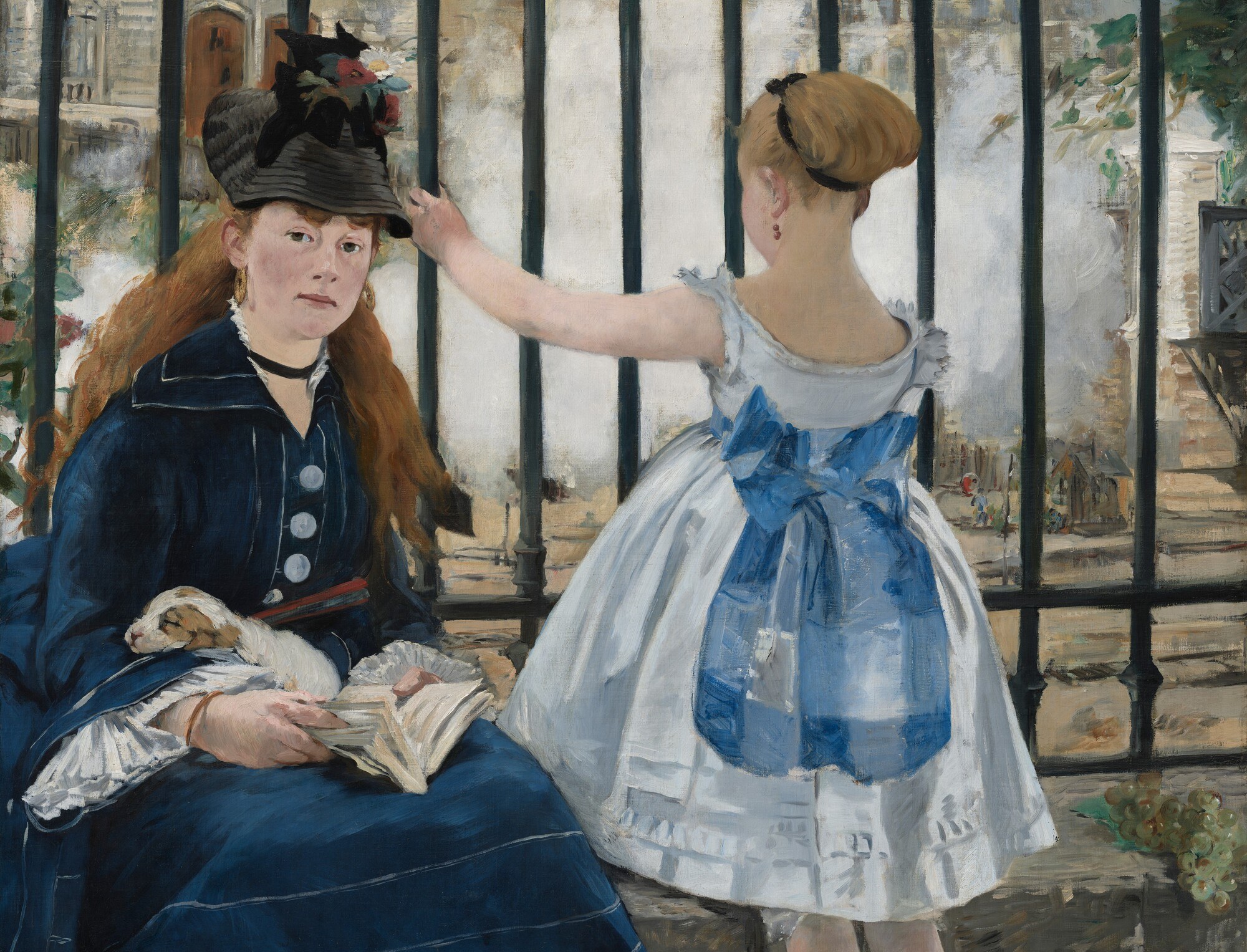
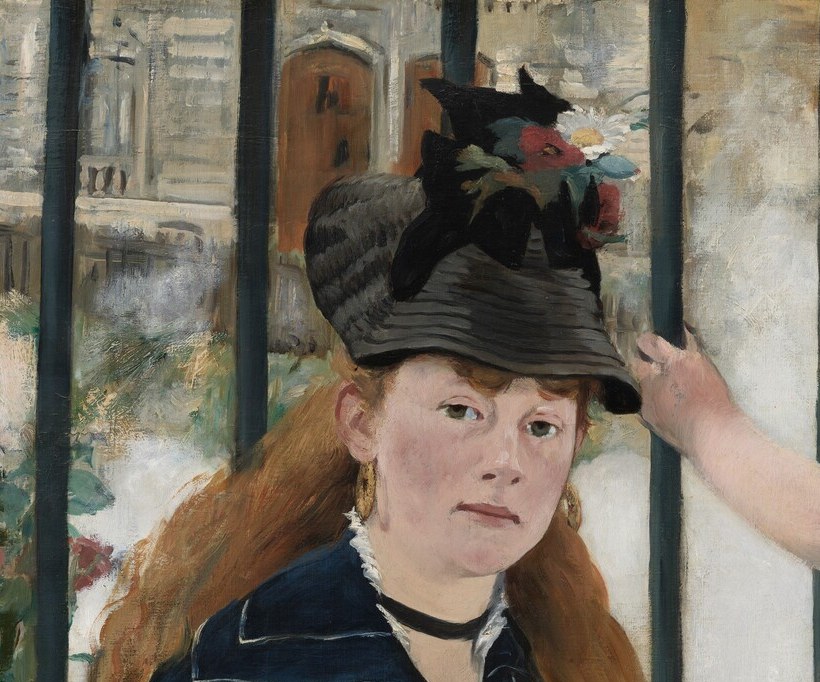
The Railway by Édouard Manet, painted in 1873, is a quiet farewell hiding in plain sight. The woman staring out at us is Victorine Meurent, an accomplished painter who modeled for Manet's most scandalous works, including Olympia and Luncheon on the Grass. This was the last time she sat for him, and their professional partnership ends here, frozen in oil paint at the Gare Saint-Lazare.
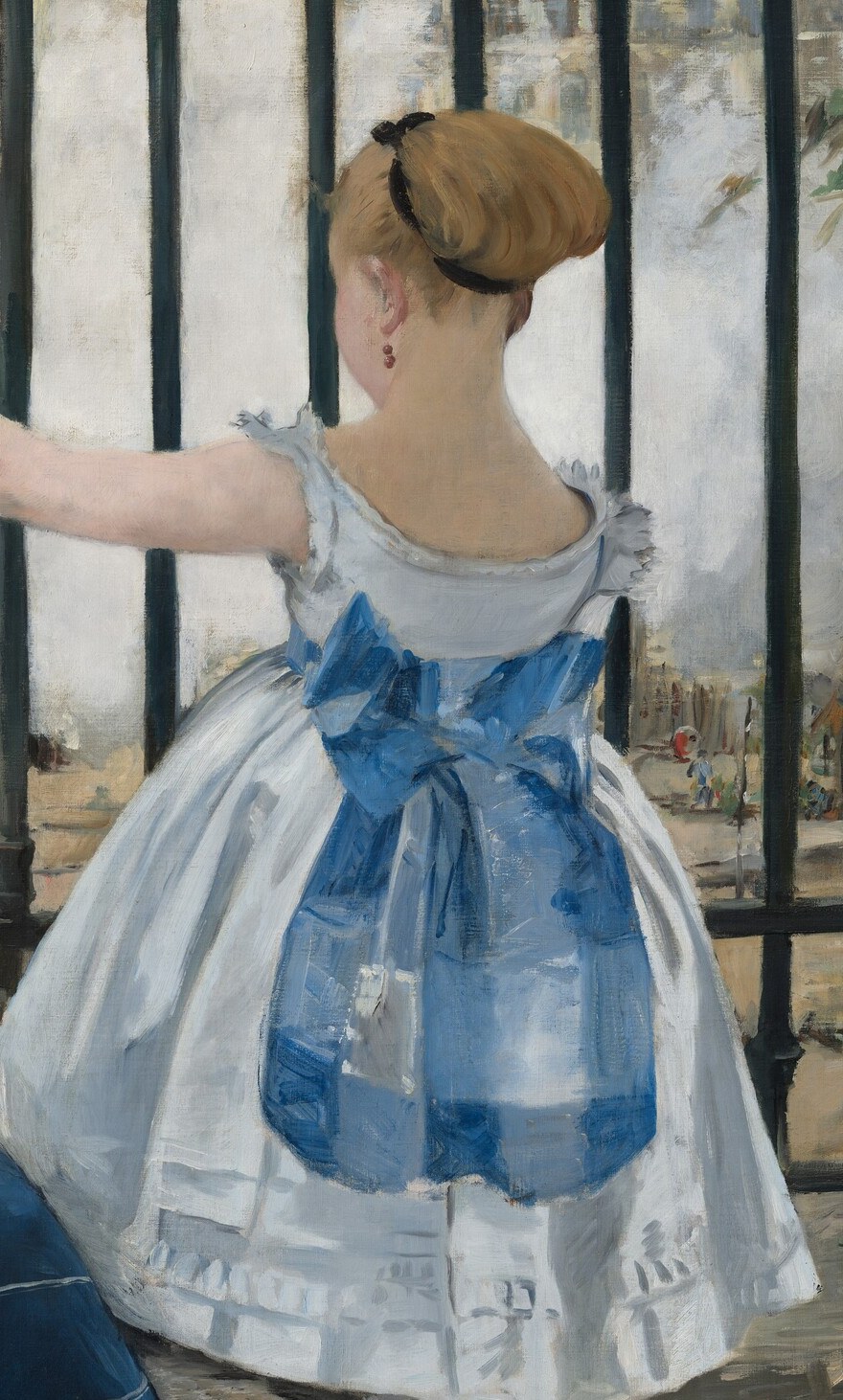
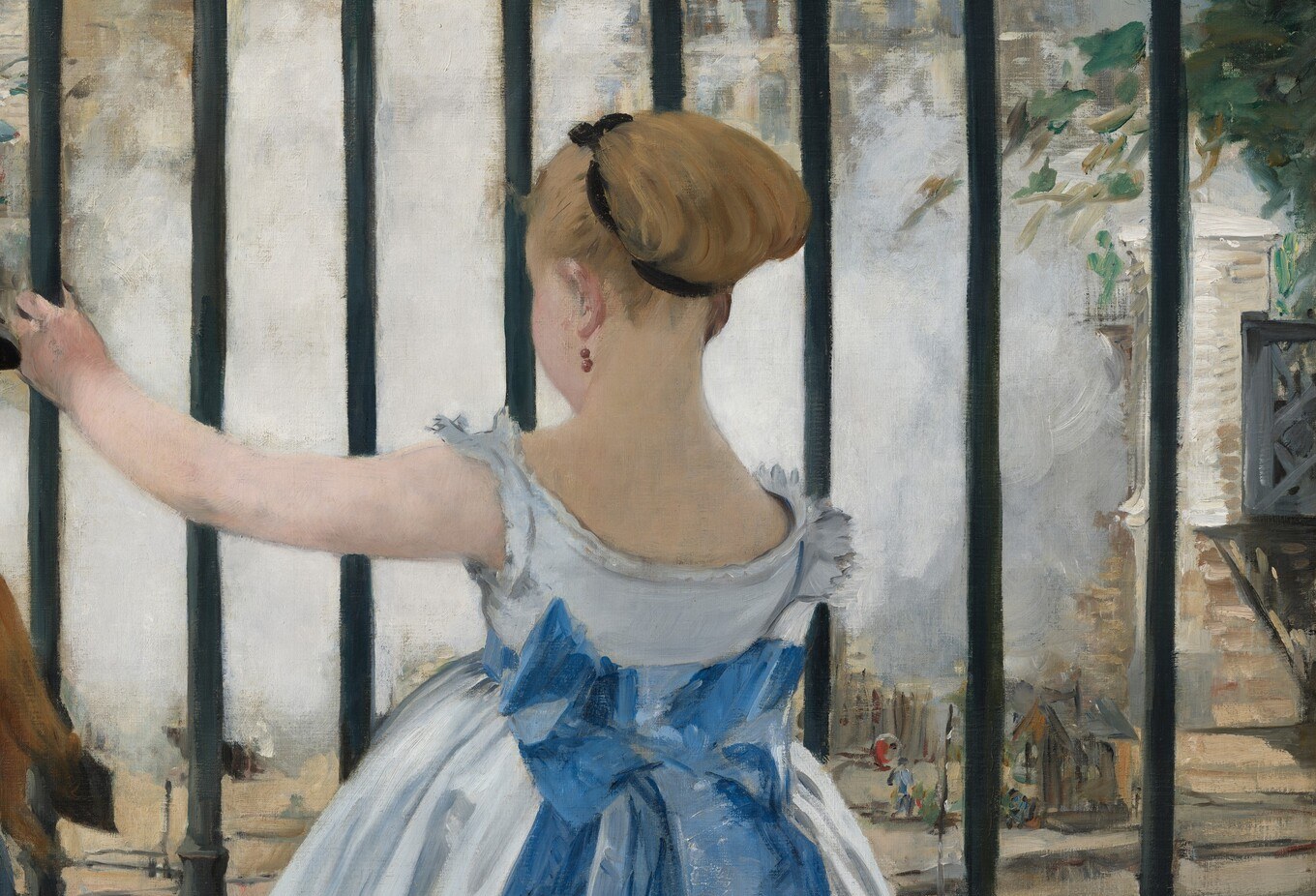
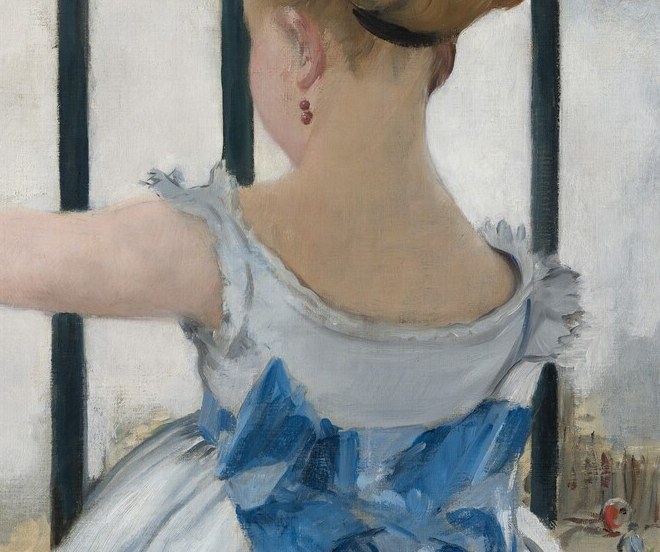
Look at her face. Her gaze is direct, unflinching, and utterly modern. She does not perform for us the way academic models did. Beside her, a young girl turns her back completely, lost in the spectacle of steam we can only imagine. Manet denies us the child's expression, forcing us to feel what she feels instead: curiosity about the industrial world roaring just out of frame.
The train itself is invisible. Manet paints only its billowing white vapour, an absence that dominates the canvas. Iron bars cut across the foreground, locking the figures away from the tracks and locking us out of their world. The new Paris that Baron Haussmann built looms faintly in the steam, but the human figures remain suspended between domestic stillness and the noise of progress.
Manet died at 51, but in this painting he left us a moment of stillness inside an era hurtling forward. Victorine gazes at us across a century and a half. What do you think she is thinking?
#arthistory #manet #impressionism
Details
Transcript
She looks out like she knows you. This is Victorine Meurent, a painter herself. She was the face of Olympia and Luncheon on the Grass. But this is the last time Manet ever painted her. The girl beside her refuses to turn around. A blue bow is all she gives us. The train is pure steam and absence. They are cut off from it by cold iron.