Harlem Bridge, New York by http://www.wikidata.org/.well-known/genid/651d1abe7f5c7e600be4269c77b5b169
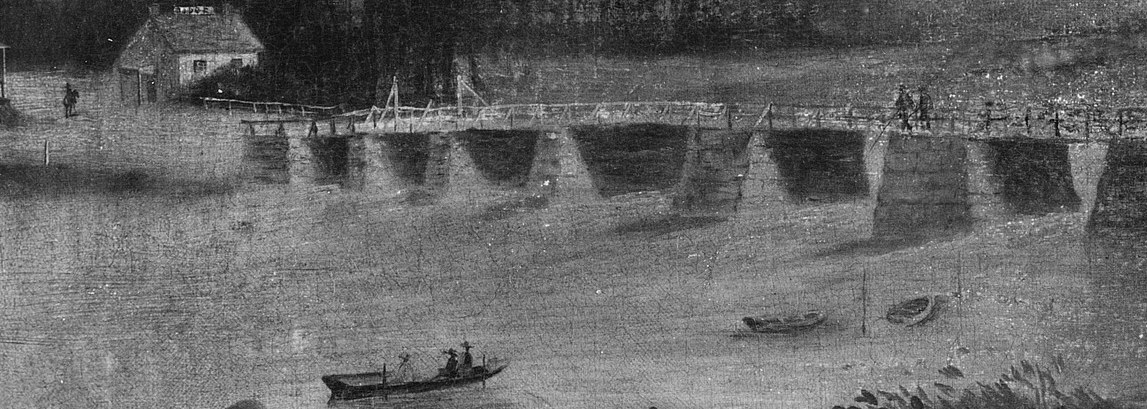
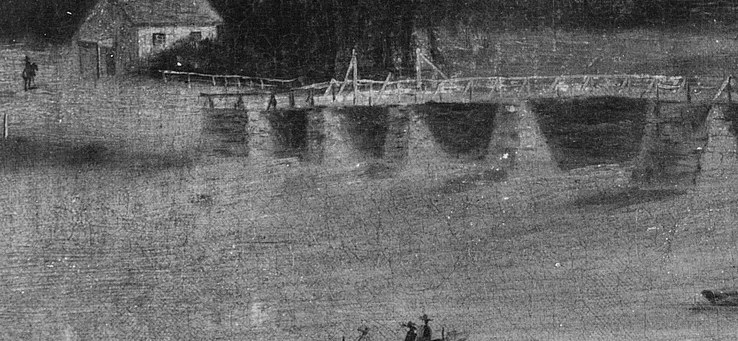
This is "Harlem Bridge, New York," by an unidentified painter working around 1850. The painting is an extraordinary visual document of upper Manhattan before the city arrived. It shows the old Harlem Bridge crossing the Harlem River, linking the island to a small cluster of buildings that would eventually become the Bronx.
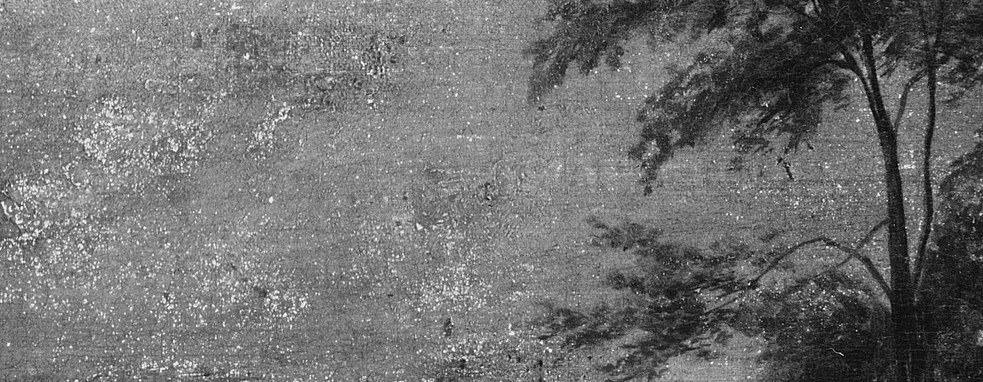
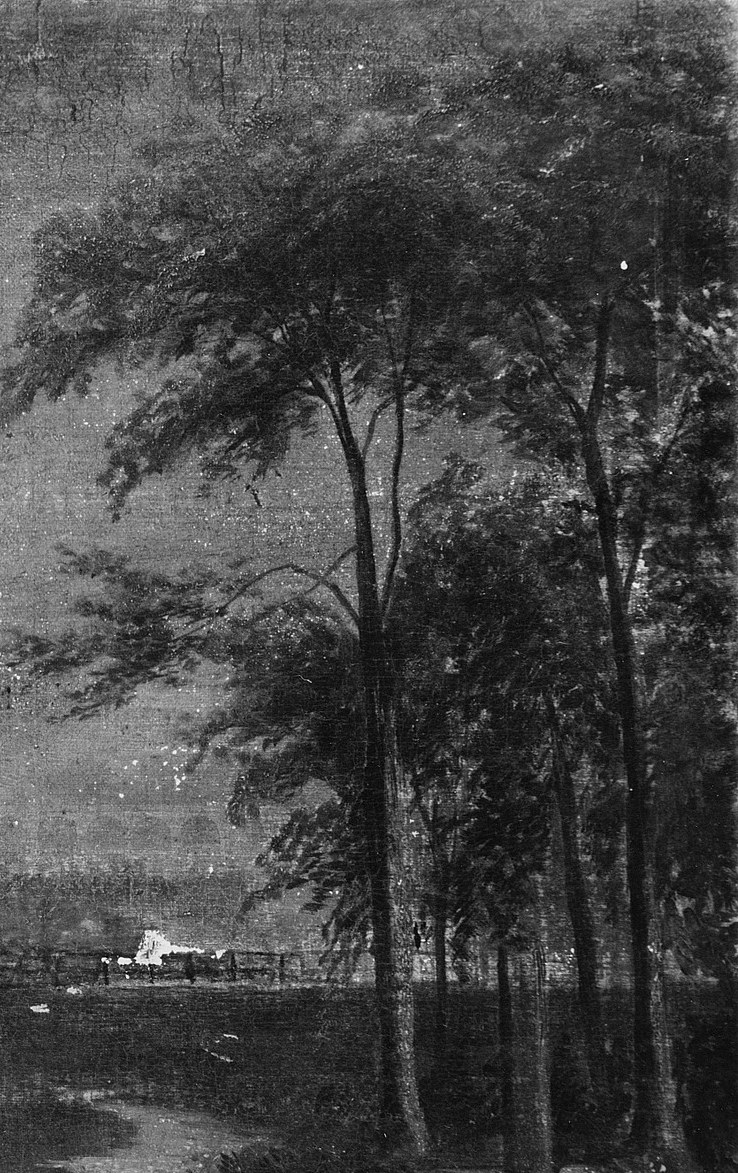
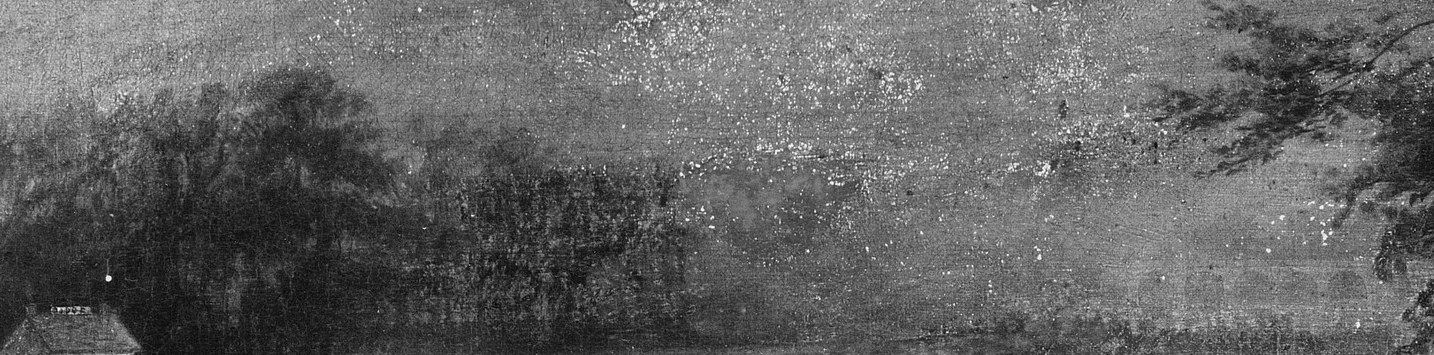
Look at the stillness. The water is a near-perfect mirror, doubling the bridge arches and the pale overcast sky. The only movement comes from a few tiny rowboats in the foreground, each carrying one or two figures. The painter seems less interested in drama than in simply recording what was there: the dark tree masses framing the banks, the calm surface, the quiet evidence of human life at the edge of a growing city.
The Harlem Bridge was a working link, but here it feels almost sleepy. This was painted at a pivotal moment. Within decades, industrialization would fill this shoreline with railroads, factories, and tenements. The settlement visible behind the bridge would be absorbed into the expanding grid. This canvas, with its aging craquelure and soft, muted palette, is a survivor from that quieter time.
Historians value this painting not for its fame, it lives far from the spotlight, but for its testimony. It is an eyewitness account in oil paint. What do you notice most: the bridge, the boats, or the distance beyond?
Details
Transcript
Before the roar of the city, there was this. The year is 1850. This is the Harlem Bridge. It links Manhattan to a small, distant settlement. The only traffic: a few rowboats, and quiet water. Look closely. Two people steer one of the boats. This painter recorded a world about to vanish.