Portrait of a Prelate by Lavinia Fontana
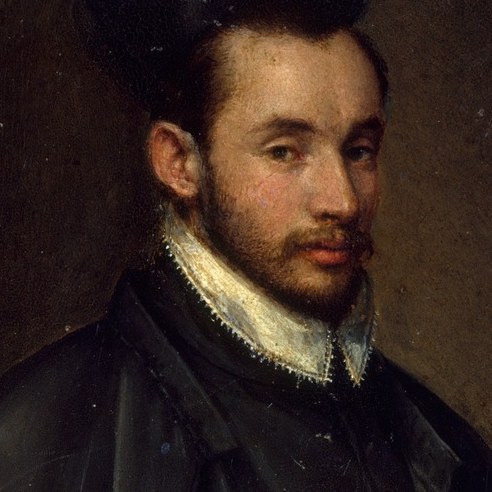
Lavinia Fontana's "Portrait of a Prelate," painted in 1590, is a striking example of Mannerist portraiture, now housed at The Metropolitan Museum of Art. What makes this work, and its artist, truly remarkable is Fontana's status as the first professional female artist in Western Europe.
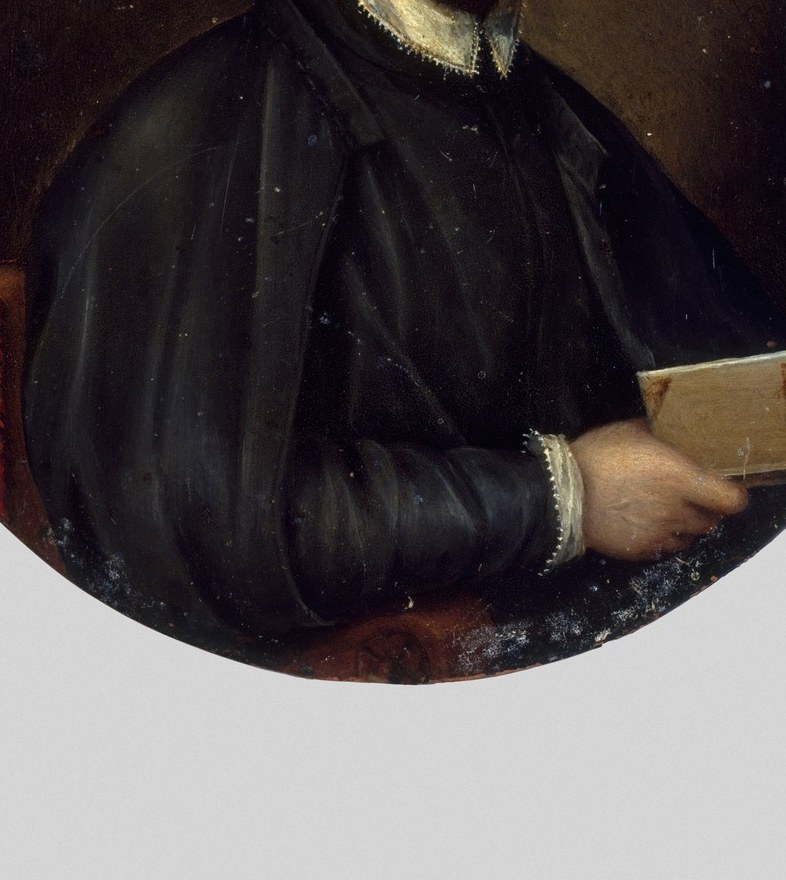
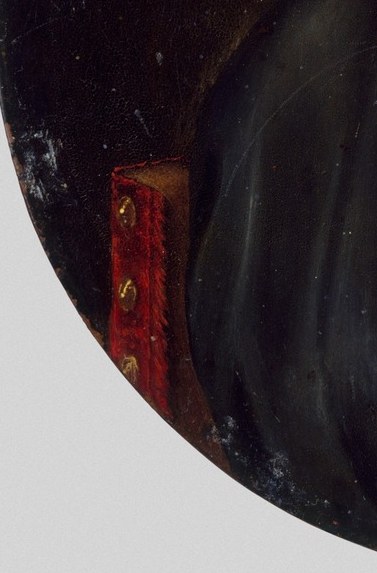
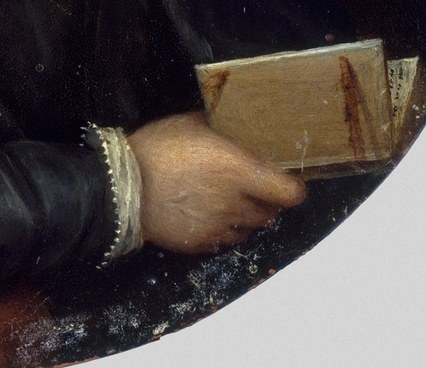
Here, Fontana presents a dignified prelate in dark clerical attire, holding an open book. The subtle lighting and rich textures, especially the red velvet chair, draw attention to his intense gaze and meticulously rendered features. These details not only highlight his status but also showcase Fontana's skill in capturing character.
Fontana, trained by her father, Prospero Fontana, broke significant barriers in the 16th century. Unlike other female artists who practiced as a hobby, she relied entirely on commissions for her income, supporting her family of eleven children. Her husband even took on the role of agent and homemaker, a stark reversal of traditional gender roles at the time.
Her career in Bologna and later Rome paved the way for future generations of women artists, proving that art could be a viable profession for women. It makes you wonder how many other talented women artists were lost to history because they lacked such opportunities.
Details
Transcript
This prelate was painted by Lavinia Fontana, a 16th-century Italian artist. She was the first woman in Western Europe to earn a living solely from painting. To do so, Fontana focused on portraits for wealthy clients like this man. Notice the rich red velvet chair behind him. Her husband managed her career and raised their eleven children. She supported her entire family through her art.