Doge Andrea Gritti by Titian
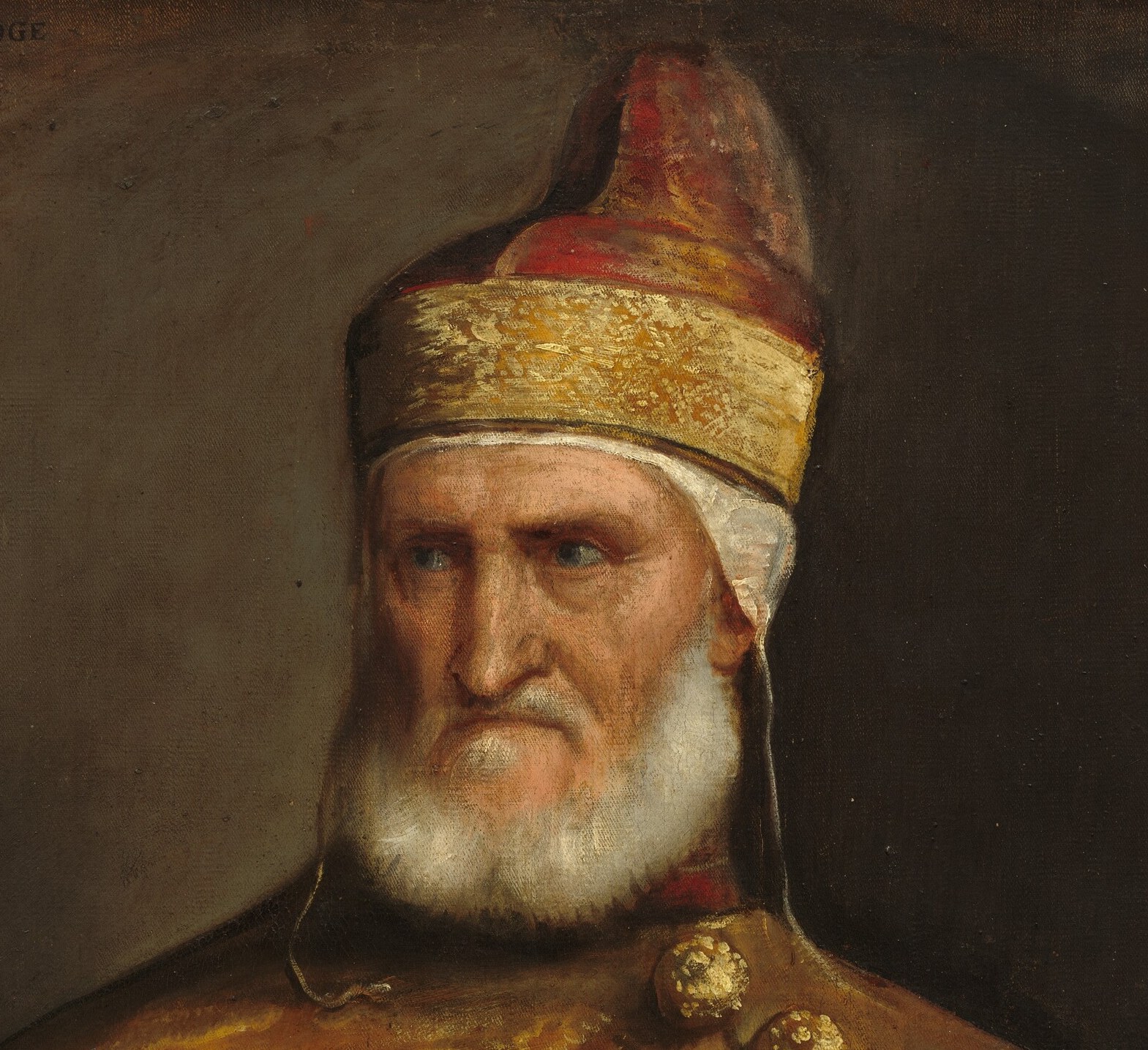
Titian's portrait of Doge Andrea Gritti is a ghost story in oil paint. The man you see had been dead for roughly a decade when the artist put brush to canvas. Gritti ruled Venice from 1523 until his death in 1538, but this painting was made in the late 1540s, a posthumous official portrait, built from memory and earlier likenesses.
What makes the painting urgent is what happened next. Titian had already painted Gritti once before, a monumental work for the Sala del Maggior Consiglio in the Ducal Palace. In 1577, a catastrophic fire gutted that hall and destroyed the original. This canvas, already a substitute, became the definitive record of the man. Everything we know of Gritti's face passes through this one surviving version.
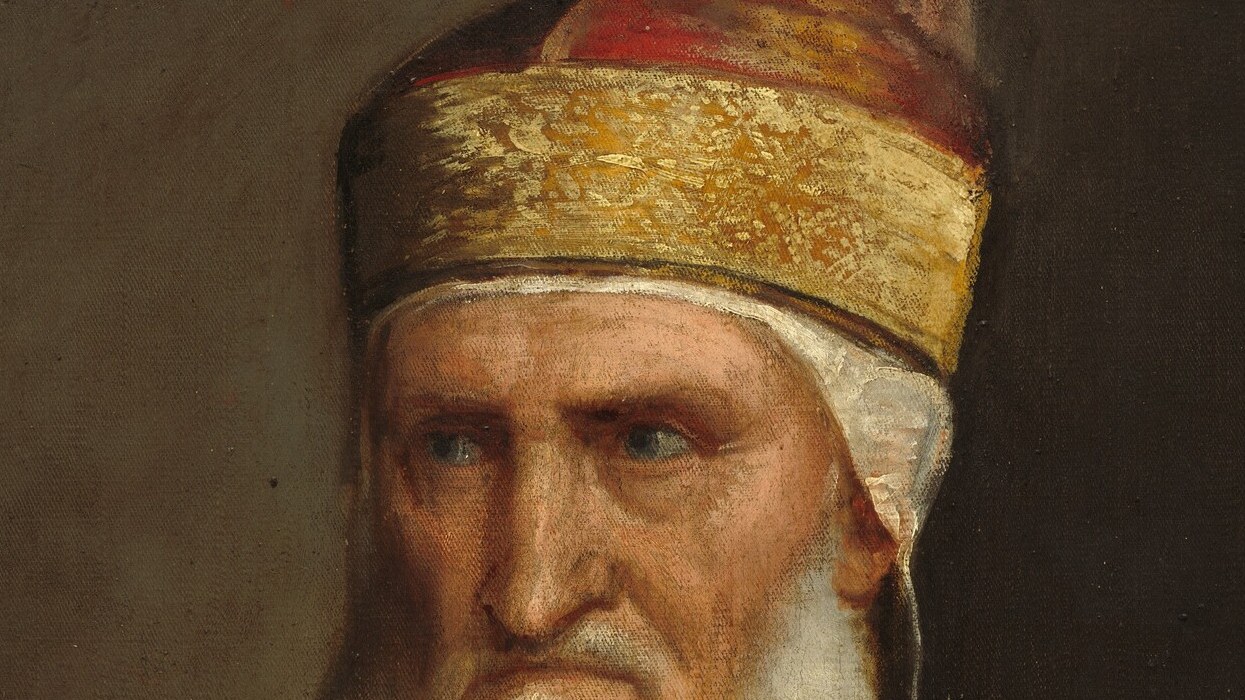
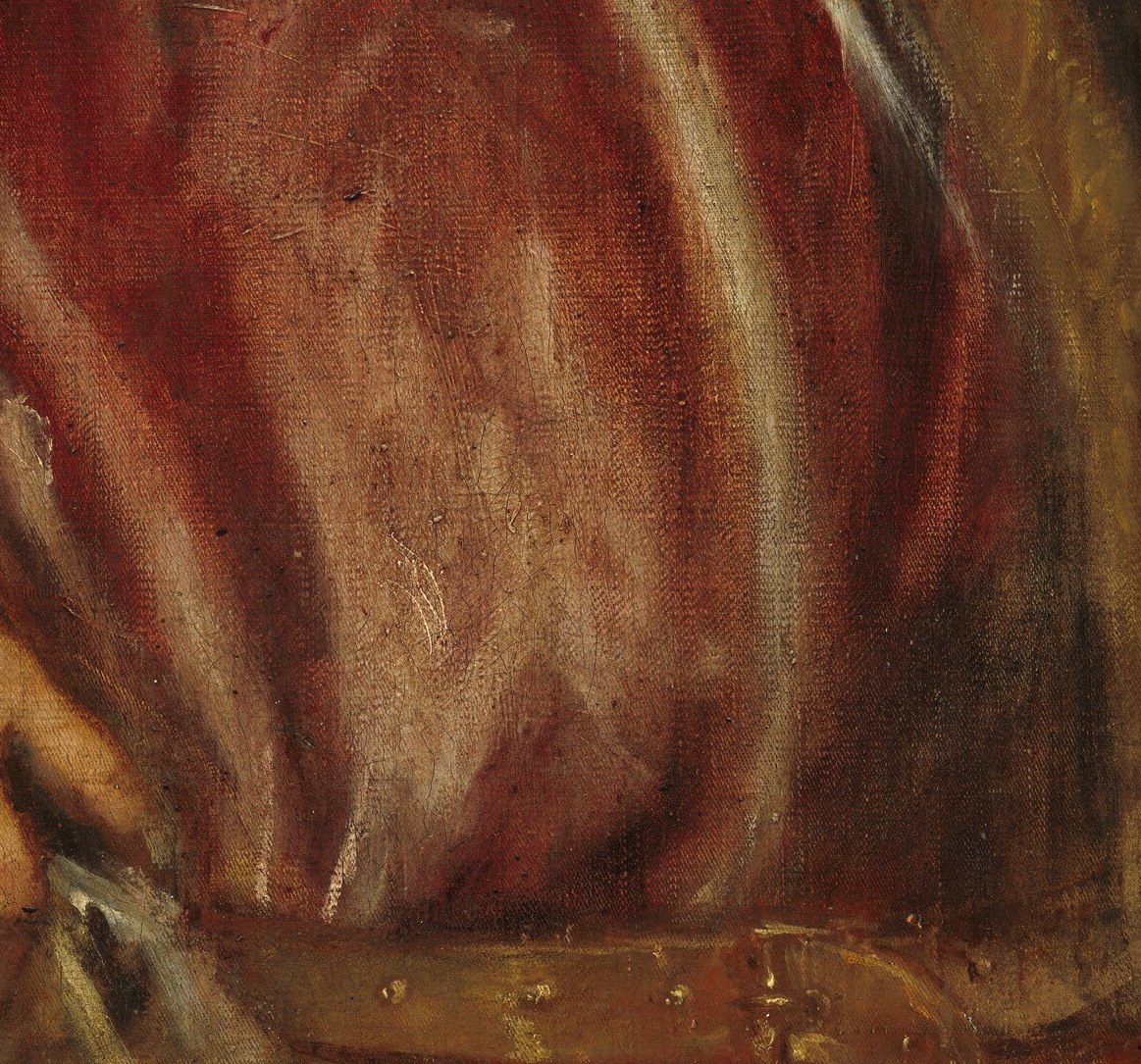
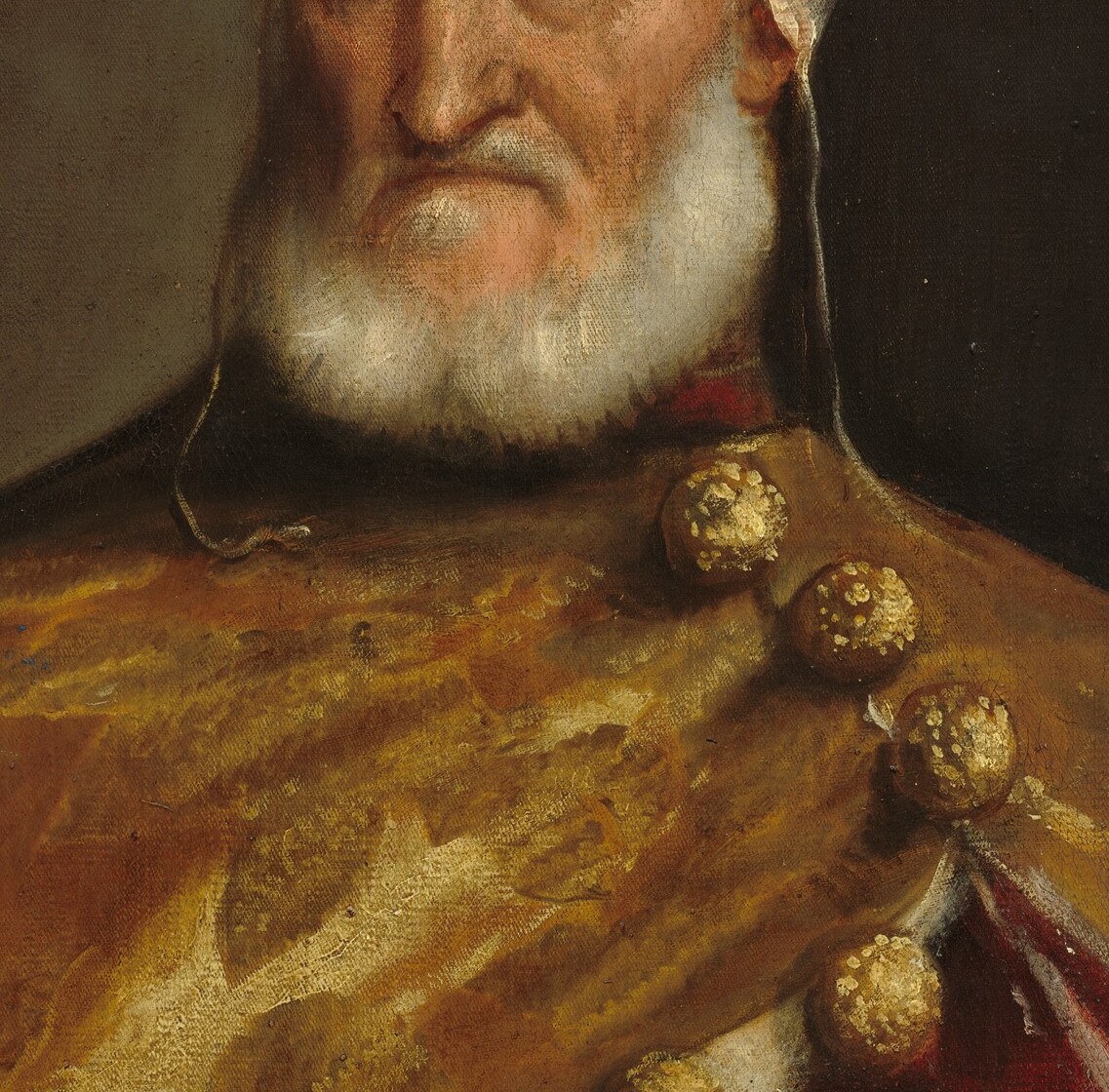
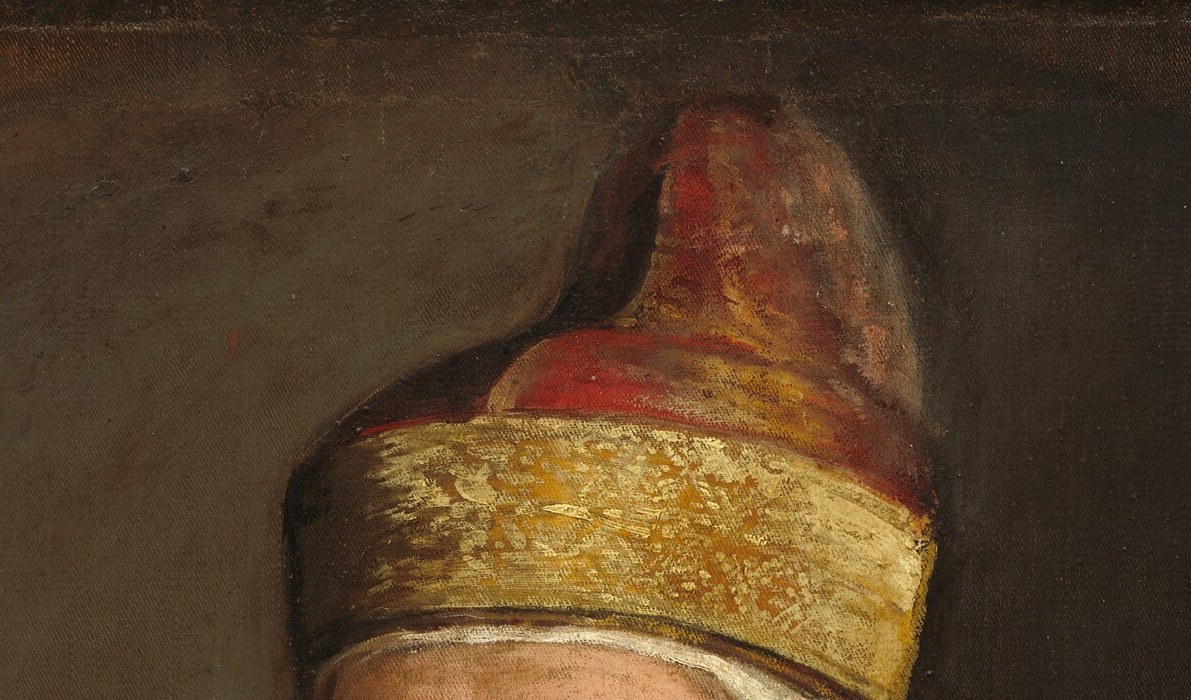
Titian gives us a ruler who still feels present. The asymmetric gaze, the compressed lips, the startling physicality of the right hand gripping the robe, these are choices made by an artist who knew the sitter was gone and chose to paint him as immovable. The near-featureless dark background seals the effect: no landscape, no interior, just the man and his office.
You are looking at the portrait that survived the fire. What do you read in that stare, memory, or invention?
Details
Transcript
This man was dead for nearly a decade when Titian painted him. Look at his face. It is a reconstruction. The original portrait hung in the Ducal Palace. In 1577, a fire tore through the palace and destroyed it. This version survived as the official likeness. A clenched, thick-knuckled hand jutting forward, a dead man's grip on power.