Composition by Piet Mondrian
Piet Mondrian's *Composition*, painted in 1921, is a key example of the shift towards pure abstraction in early 20th-century art. Housed at The Metropolitan Museum of Art, it embodies the artist's search for universal values and aesthetics after the First World War.
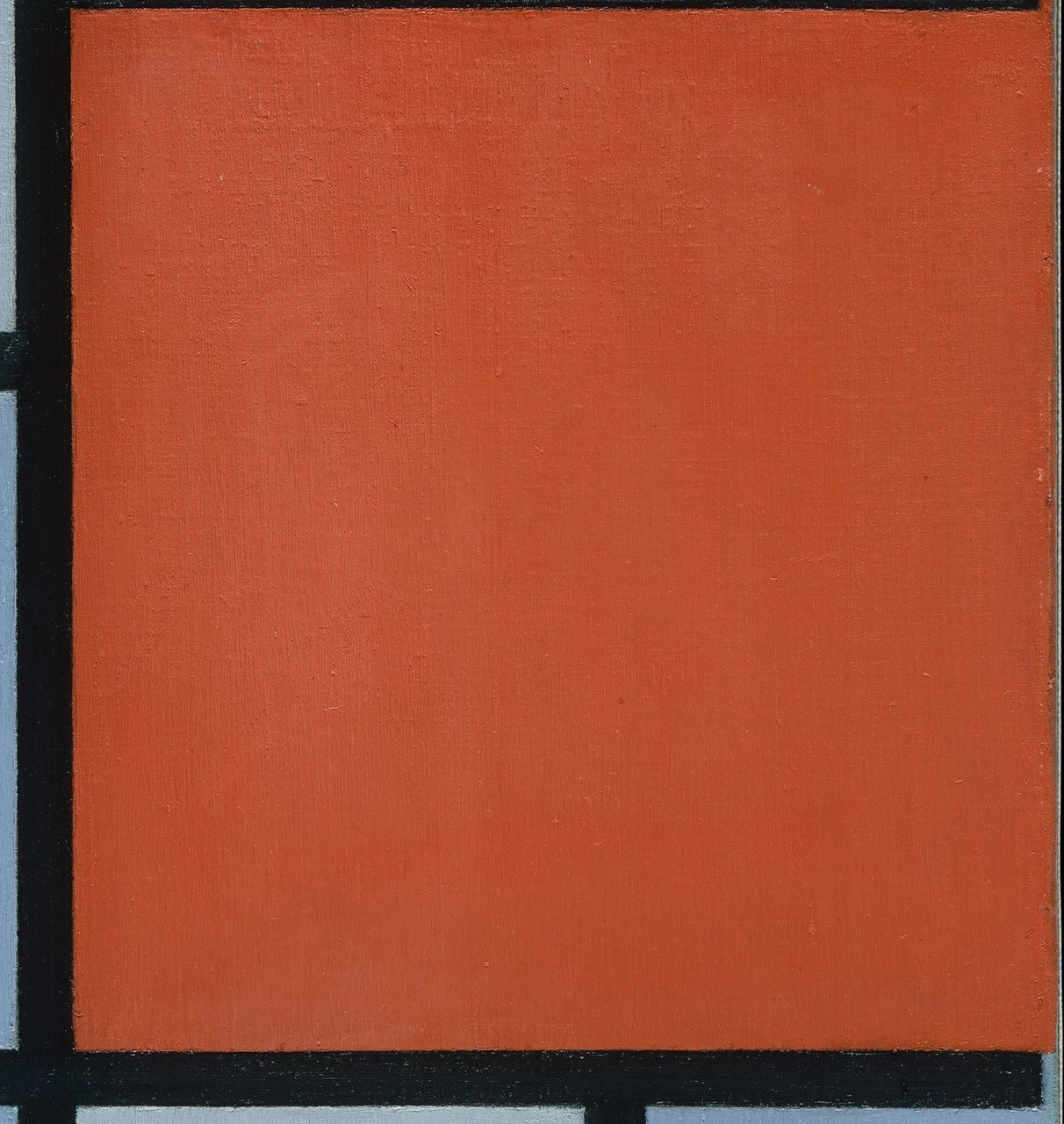
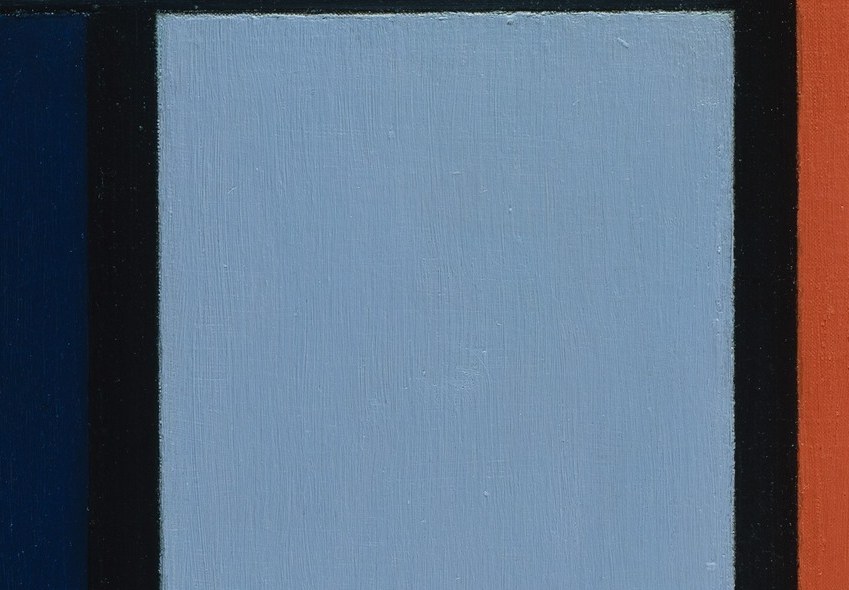
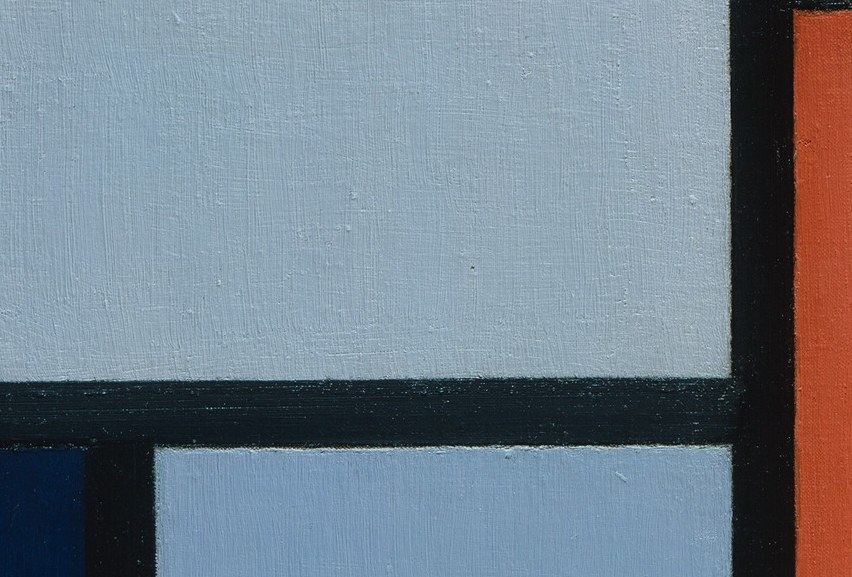
Notice how the artist uses only primary colors, black lines, and simple geometric shapes. Every element is precisely placed to create a sense of harmony and balance. This visual language was central to the De Stijl movement, which Mondrian co-founded.
Mondrian believed art should be 'above reality' to connect with the spiritual. He evolved from figurative painting to this highly abstract style, aiming to express universal harmony through simplified visual elements.
What feelings do these simple forms and colors evoke for you?
Details

Transcript
This painting was made in 1921, after a world war. Its artist wanted to create universal harmony. He used only primary colors and simple shapes. This was the core of the De Stijl art movement. The lines and colors are carefully balanced. His art was utopian, seeking a higher spiritual reality.