The Apple Peeler by Gerard ter Borch
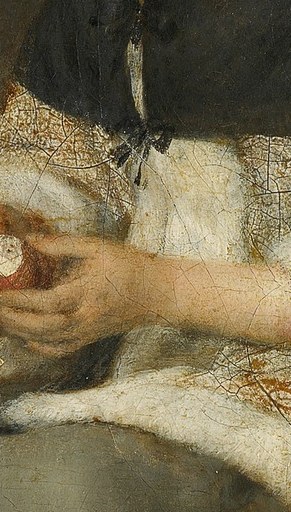
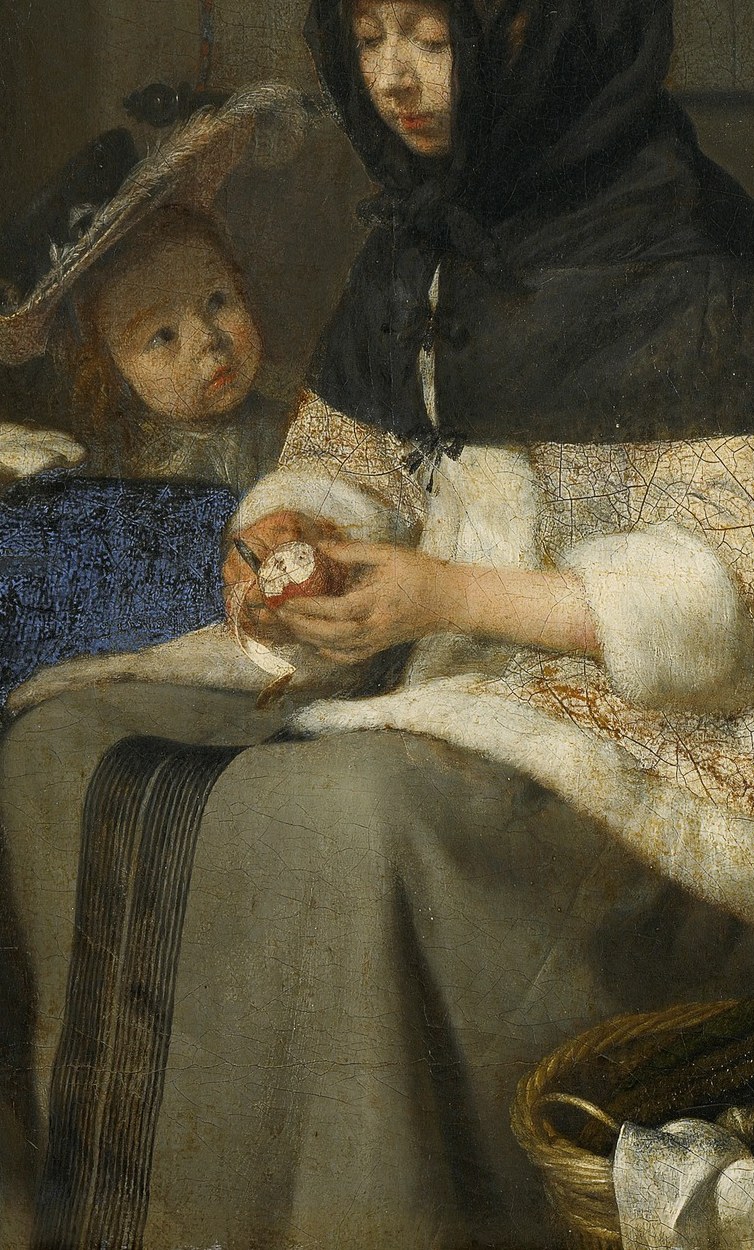
Gerard ter Borch's 1660 painting, *The Apple Peeler*, found at the Kunsthistorisches Museum, is more than a simple domestic scene; it's a silent sermon on life and mortality, delivered through subtle symbols.
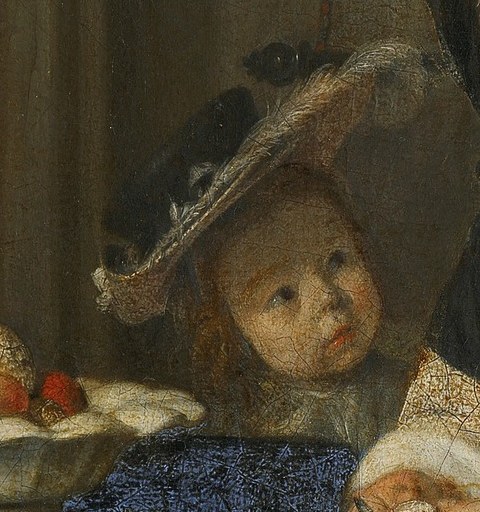
Look closely at the details: the unbroken apple peel traditionally represents a long life, while the unlit candle serves as a 'memento mori,' a reminder of death's inevitability. Even the varied apples in the silver bowl, from fresh to slightly bruised, suggest the different stages of existence.
Ter Borch, a master of Dutch Golden Age genre painting, often imbued everyday moments with deeper moral significance. His meticulous detail and use of light draw the viewer into this intimate setting, making the message feel personal and profound. He subtly nudges us to consider the fleeting nature of time and the importance of virtue.
What other quiet messages do you think paintings might hold?
Details
Transcript
This quiet scene of a woman peeling an apple contains a hidden message. The long, unbroken apple peel symbolizes a long life. But life, this painter suggests, is fragile. The unlit candle is a memento mori, a reminder of death. Even the apples in the bowl hint at the passage of time. The painting reminds us to live virtuously while we can.