Departure of Charles II of England at Scheveningen, June 2, 1660 by Hendrick de Meijer
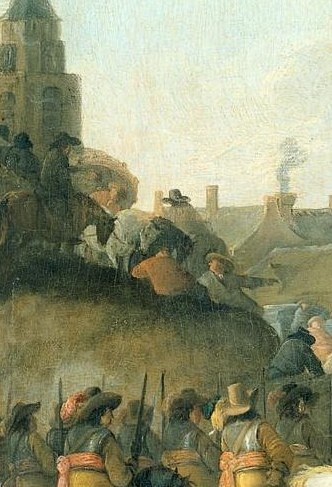
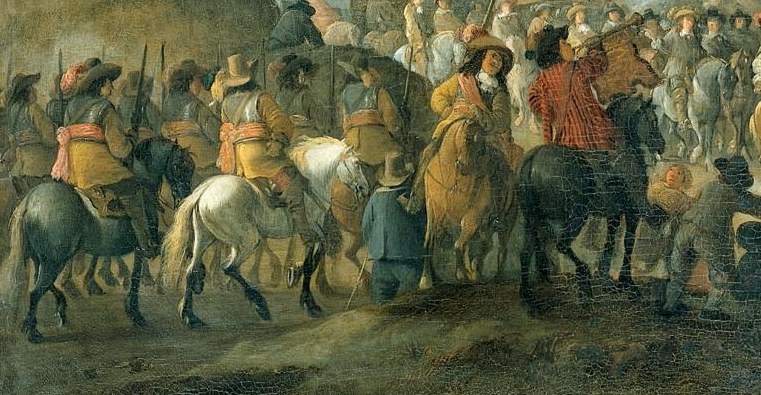
Hendrick de Meijer's 1671 oil painting, "Departure of Charles II of England at Scheveningen, June 2, 1660," captures a pivotal moment in European history. This detailed work, now at the Rijksmuseum, commemorates the day the exiled King Charles II left the Dutch coast to reclaim his throne.
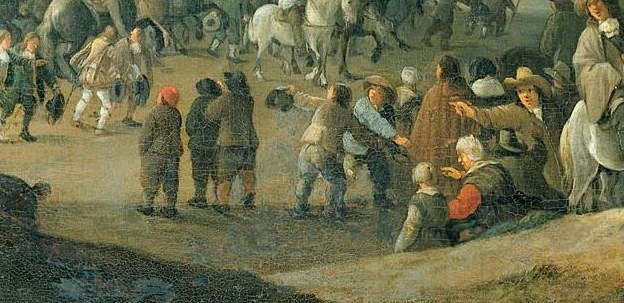
Look closely at the bustling scene: Charles II on horseback, surrounded by mounted soldiers, and the throngs of onlookers gathered on the sand. The small, vivid red flag provides a focal point, drawing the eye to the king's presence amidst the crowd. The artist's attention to detail brings the historical event to life.
De Meijer painted this work twelve years after the actual departure, reflecting the lasting Dutch interest in the English Restoration. This painting serves as a valuable record of a significant political transition, connecting a modest fishing village to a broader European narrative. What details do you notice first in this historic painting?
Details
Transcript
June 2, 1660: England's exiled King Charles II prepares to return. He departs from Scheveningen, a Dutch fishing village. A procession of mounted soldiers escorts the king. A small red flag marks the royal presence in the crowd. Onlookers gather, their varied gestures conveying public interest. This event marked the end of his exile, beginning the Restoration era. The artist painted this scene 12 years after it happened.