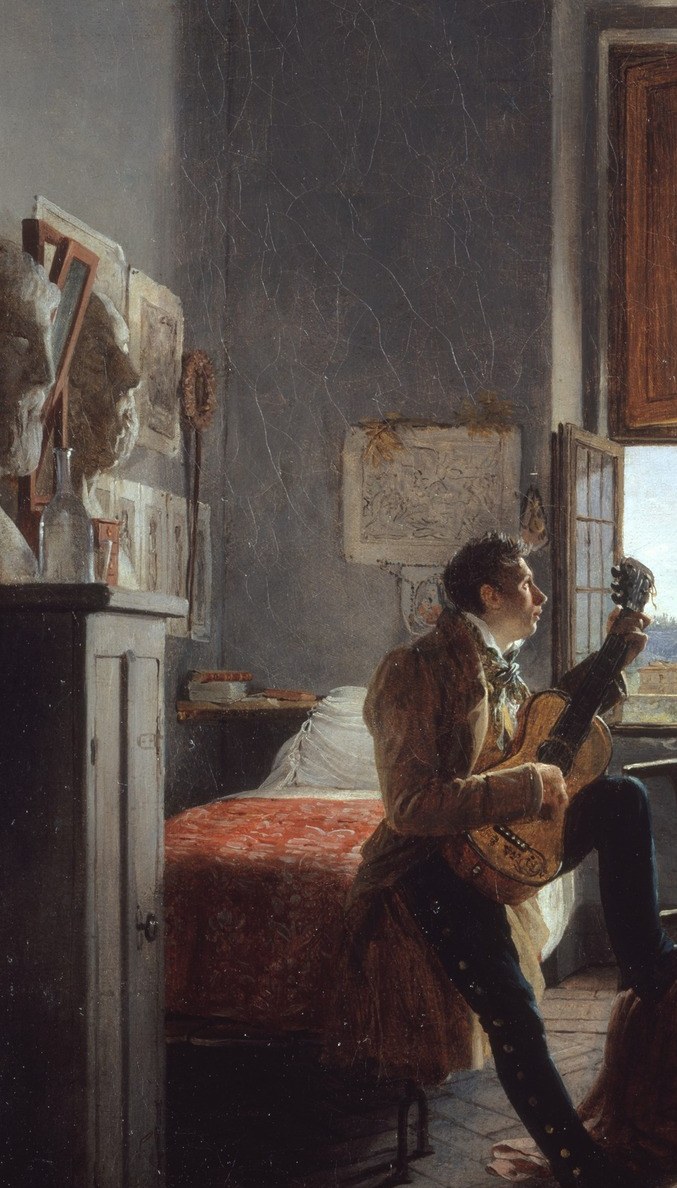
Léon Pallière (1787–1820) in His Room at the Villa Medici, Rome by Jean Alaux
Jean Alaux painted his friend Léon Pallière in 1817, inside the Villa Medici in Rome. It now hangs at The Metropolitan Museum of Art.
The painting is a report from a specific economic arrangement. Pallière had just won the Prix de Rome, a state-funded prize that paid a young French artist 4,000 francs a year to live and study in Italy for up to five years. The scholarship covered travel, lodging in the Villa Medici, and materials. In return, winners were required to send finished works back to Paris as evidence of their progress.
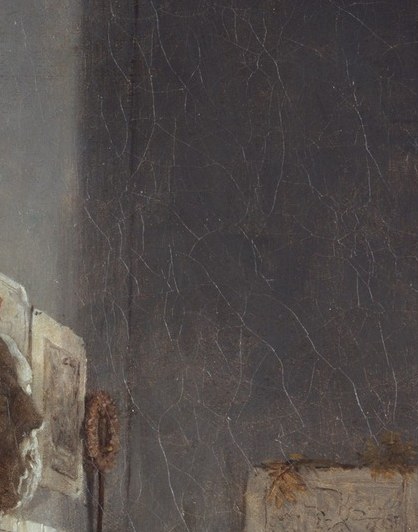
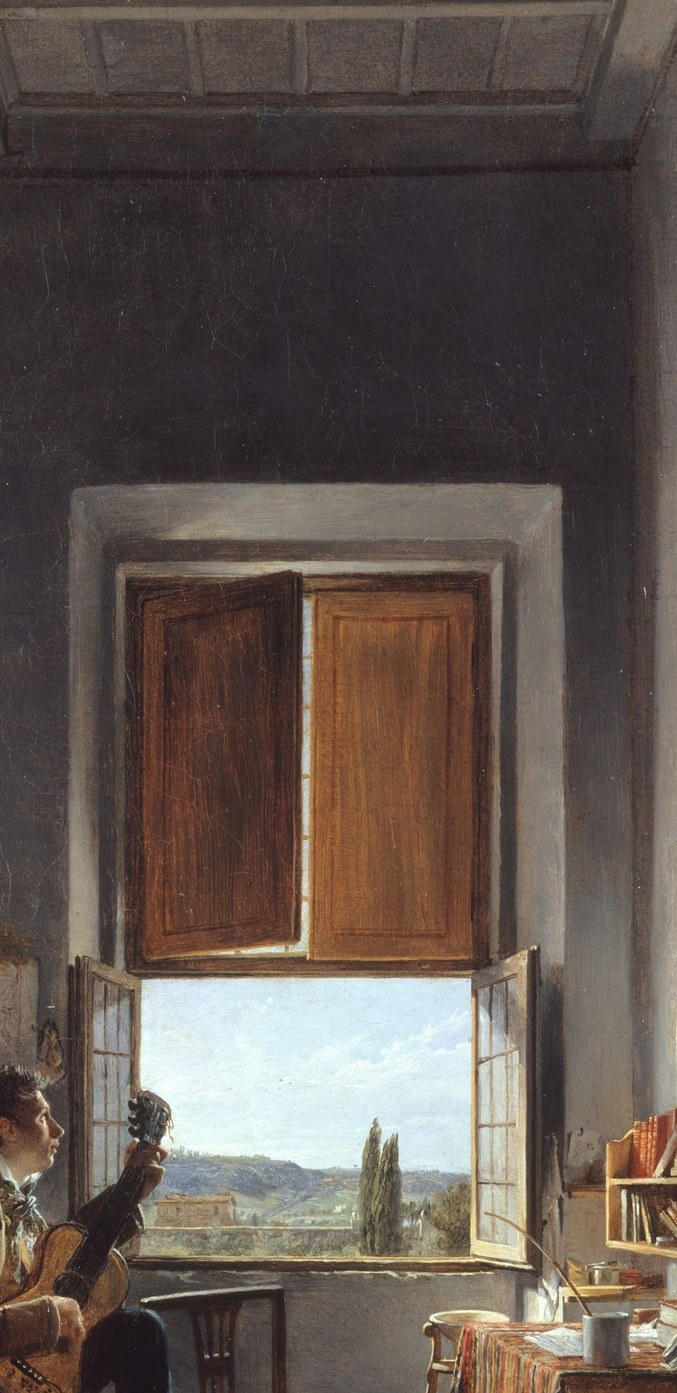
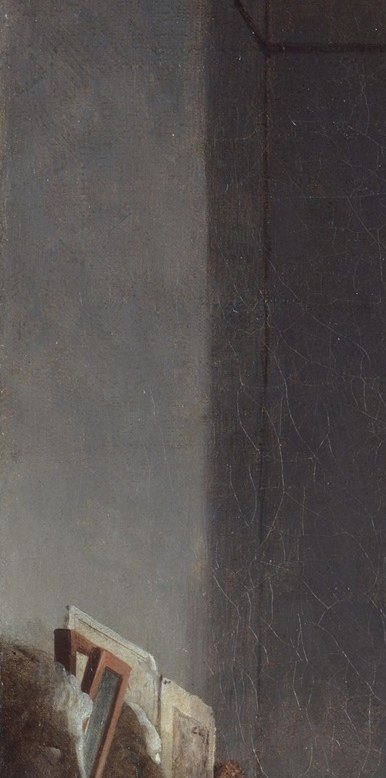
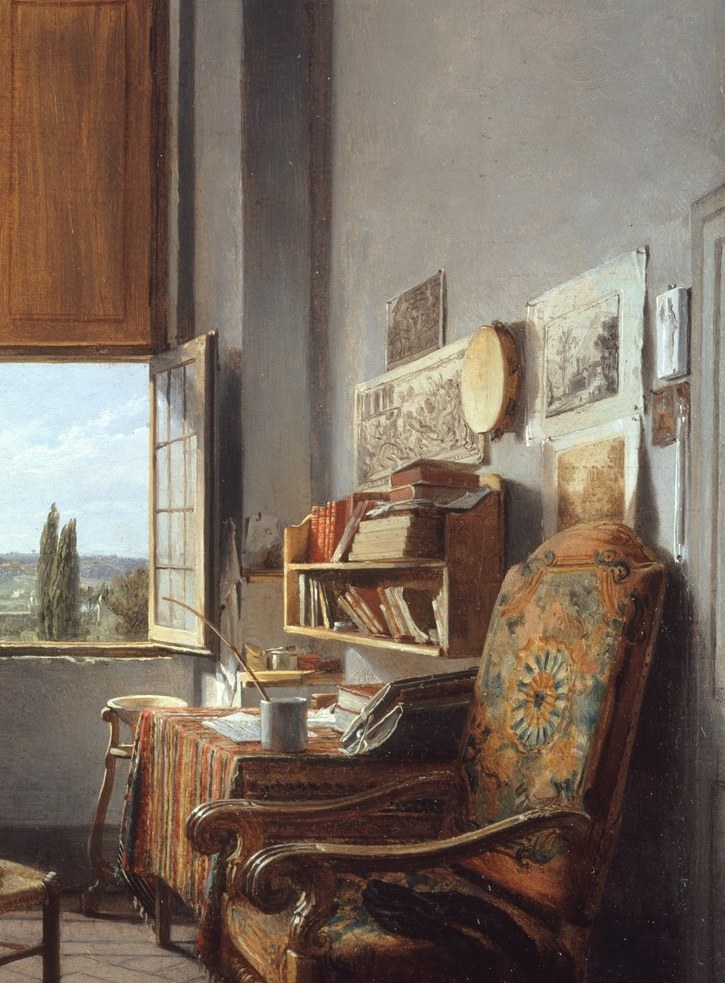
Look closely at the room. The antique bust on the mantel and the plaster casts are study tools the scholarship made possible. The papers scattered across the desk suggest a working draftsman. The open window shows the Roman countryside the prize allowed him to see. Alaux includes it all: the instruments of study, the proof of labor, the landscape that was the whole point of being there.
This painting itself was likely one of those required dispatches. It says: he is working. He is here. The money is being spent well.
Details
Transcript
This young artist had just won the biggest prize in France. The Prix de Rome: a full scholarship to study in Italy. It paid for this room, in the Villa Medici, for five years. Every object on this mantel is a cast of a Roman antiquity. The prize was 4,000 francs a year, enough to live and travel. But the winner had to send paintings back to Paris to prove he was working. This portrait was proof. Sent home from Rome, 1817.