Madonna and Child by Giovanni Battista Cima da Conegliano
Giovanni Battista Cima da Conegliano's *Madonna and Child*, painted in 1512, is a beautiful example of High Renaissance devotion. This oil painting, held at the Rijksmuseum, was likely created for a private patron, reflecting the era's demand for intimate sacred art.
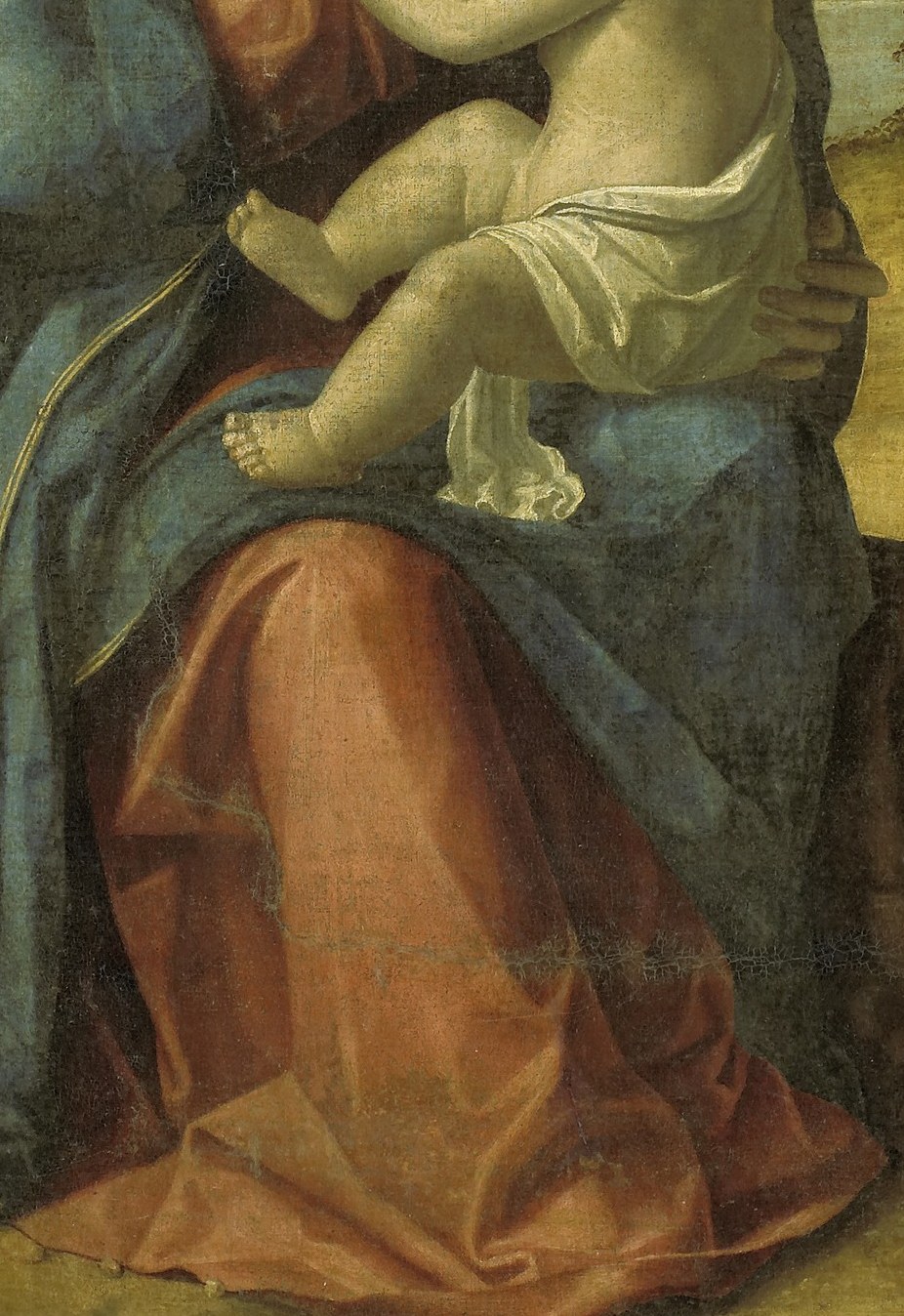
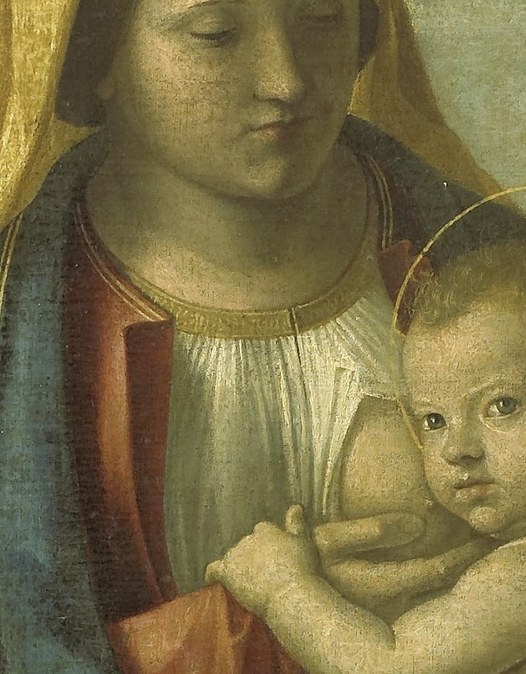
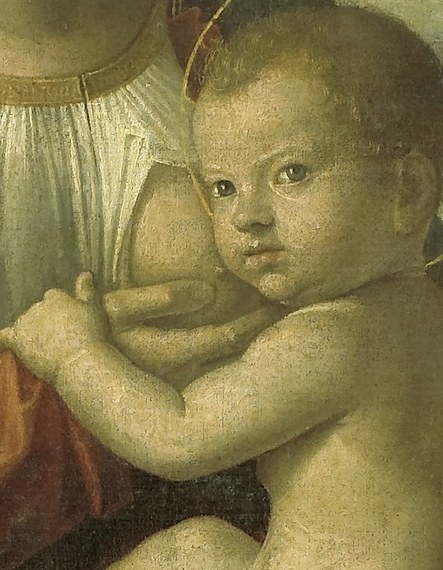
Notice the rich blue of Mary's robe, a color traditionally associated with purity and royalty. Both the Madonna and the Christ Child bear subtle halos, underscoring their divine status within this serene composition. Cima was known for his meticulous rendering and tranquil atmospheres.
Cima da Conegliano was an Italian Renaissance painter active in Venice, specializing in religious subjects. His style, influenced by Antonello da Messina, often emphasized atmospheric landscape backgrounds and calm, contemplative scenes.
What details in this painting draw your eye the most?
Details
Transcript
This painter often created serene images for private devotion. The Madonna's blue robe symbolizes her purity and royalty. Her subtle halo also indicates her sainthood. The Christ Child's halo further emphasizes his divine status. Together, these elements create a tranquil, devotional scene.