明 傳仇英 十六羅漢圖 卷|The Sixteen Luohans by Qiu Ying
This 16th-century handscroll, "The Sixteen Luohans" by Qiu Ying, is a masterful ink-on-paper work depicting enlightened disciples of the Buddha, known as Luohans. It offers a fascinating glimpse into Buddhist iconography and painting techniques of the Ming Dynasty.
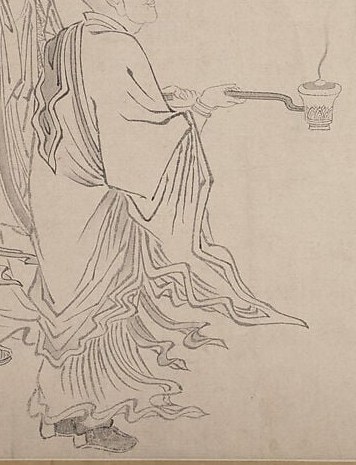
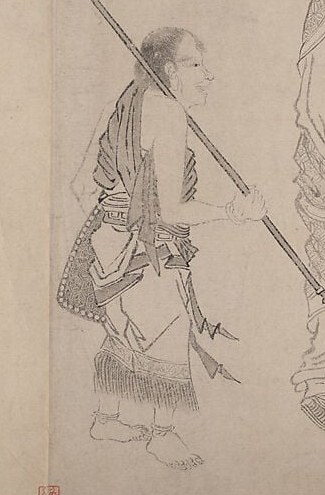
Observe the monk holding the censer, a vessel used in rituals for purification and honor. The delicate smoke rising from it symbolizes the ephemeral nature of life, a core Buddhist concept. The staff held by another monk, with its ornate head, represents spiritual authority and protection during one's journey toward enlightenment.
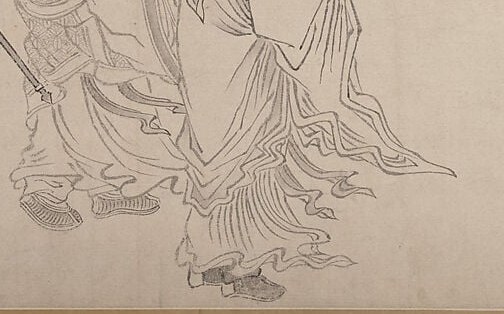
Qiu Ying, a prominent painter of his time, meticulously rendered these figures using a technique called cross-hatching. He built up shadows and textures with tiny, intersecting ink lines, giving the monks a sense of volume and vitality without the use of color. This detailed work was meant to be unrolled and viewed section by section, offering a continuous narrative.
The painting's blend of detailed artistry and profound symbolism invites contemplation. What details in the monks' expressions or postures resonate most with you?
Details
Transcript
This Ming Dynasty scroll shows a gathering of Buddhist monks, Luohans. This monk holds a censer, used in rituals to purify and honor. The wisps of smoke symbolize the impermanence of life. Notice the staff bearer. His staff is a symbol of spiritual authority. The ornate head of the staff offers protection on spiritual journeys. This painter used fine cross-hatching, tiny lines creating texture. Together, these monks represent wisdom, purification, and enlightenment.