Breakfast by Peto, John Frederick
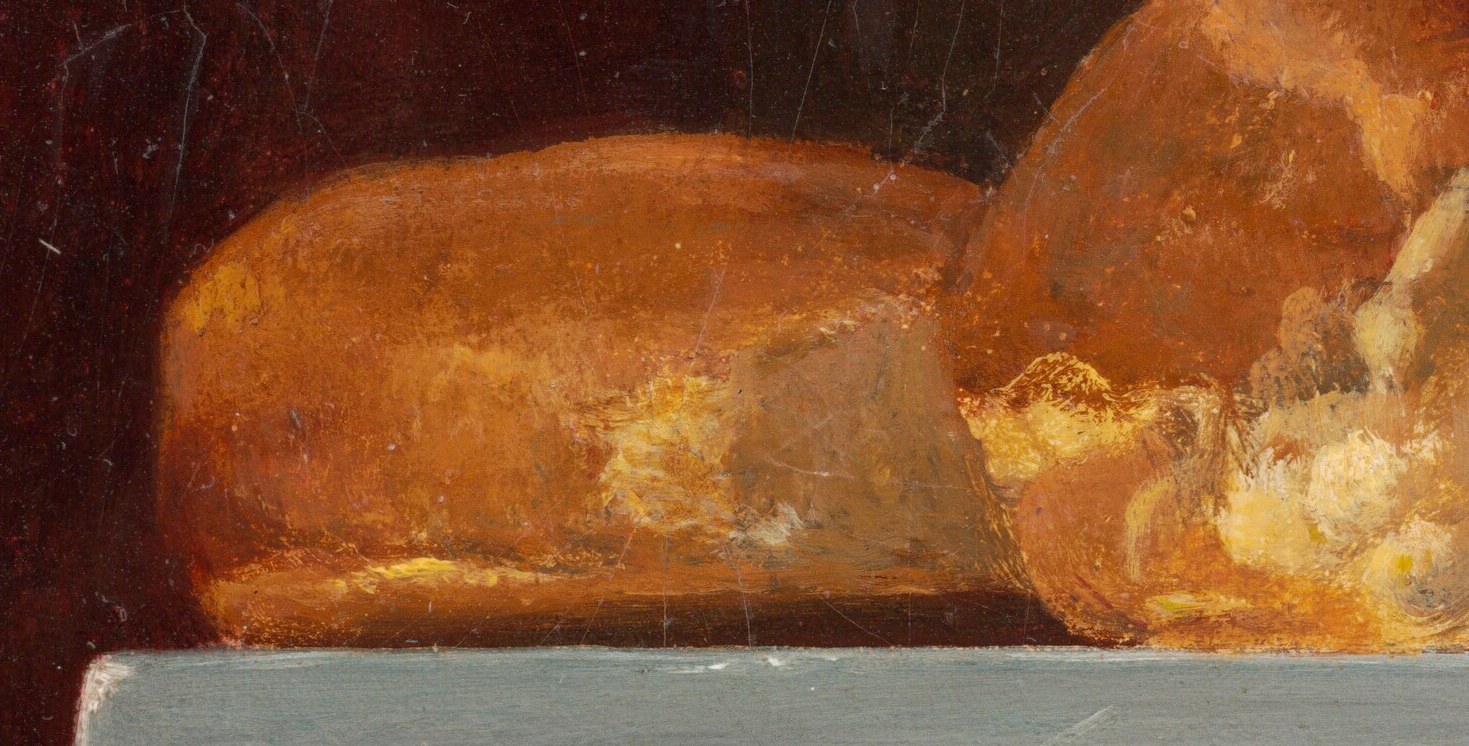
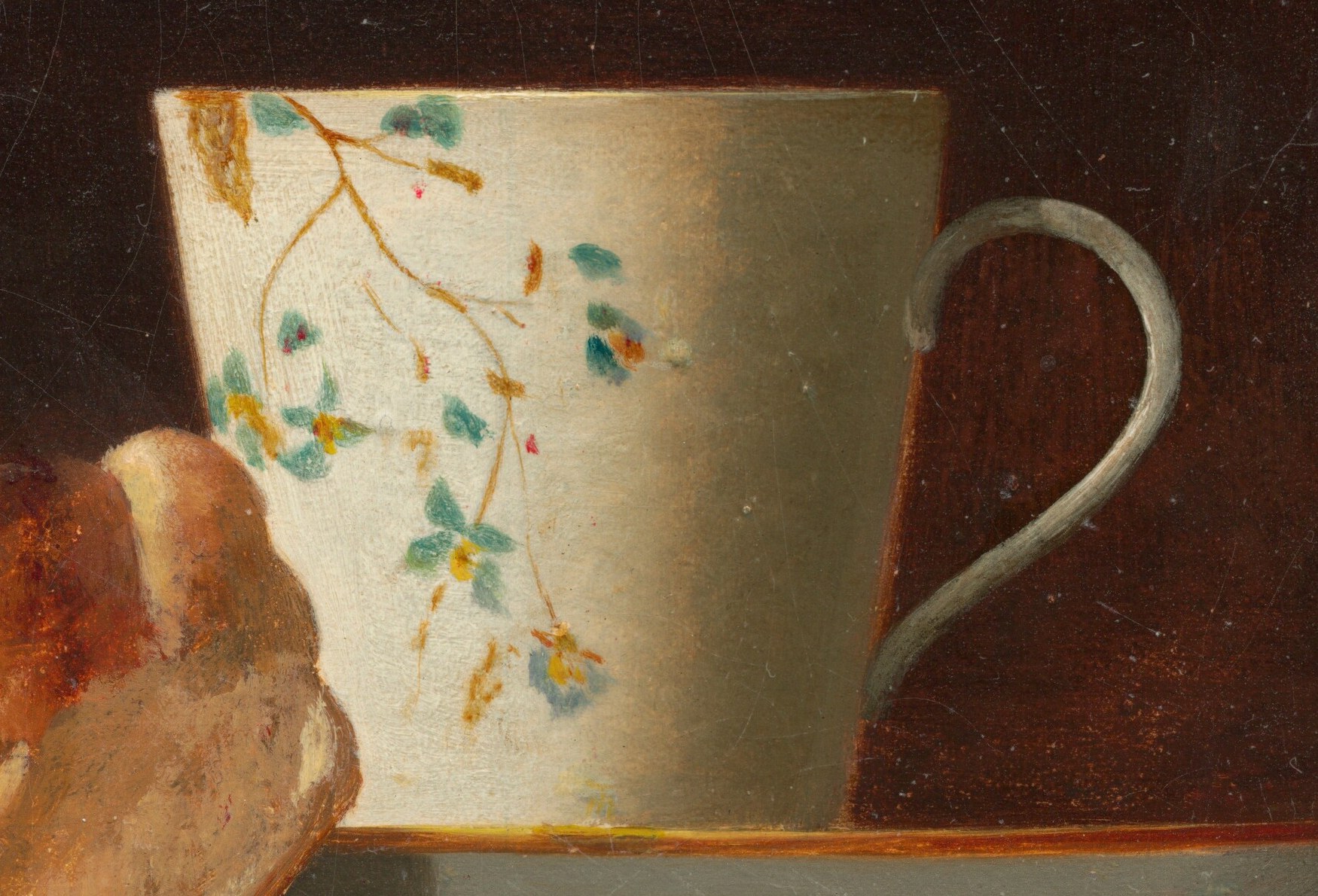
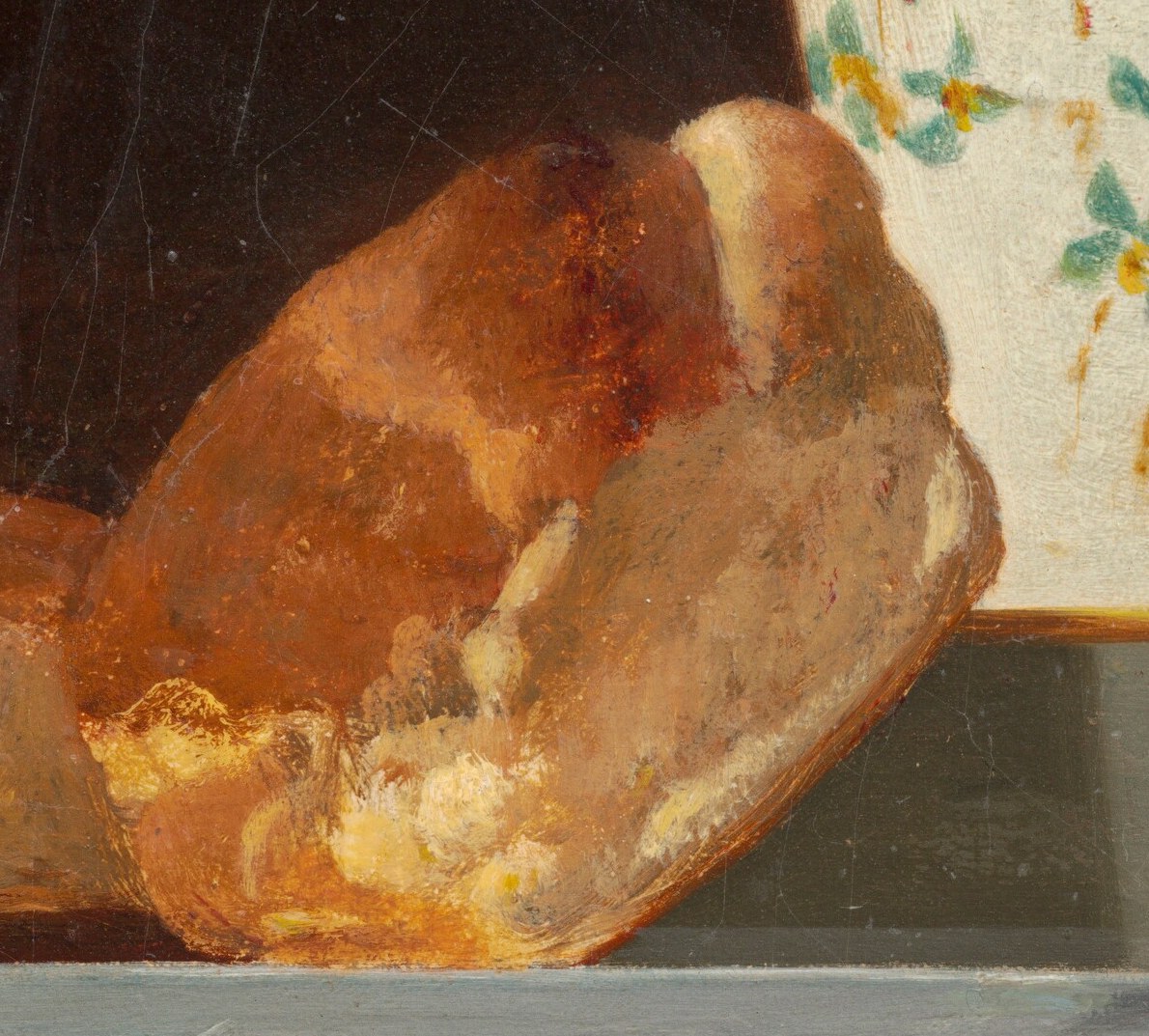
John Frederick Peto's "Breakfast," painted around 1894, is a classic example of still life, a genre he mastered. The artist meticulously captured ordinary objects, transforming them into subjects of quiet contemplation.
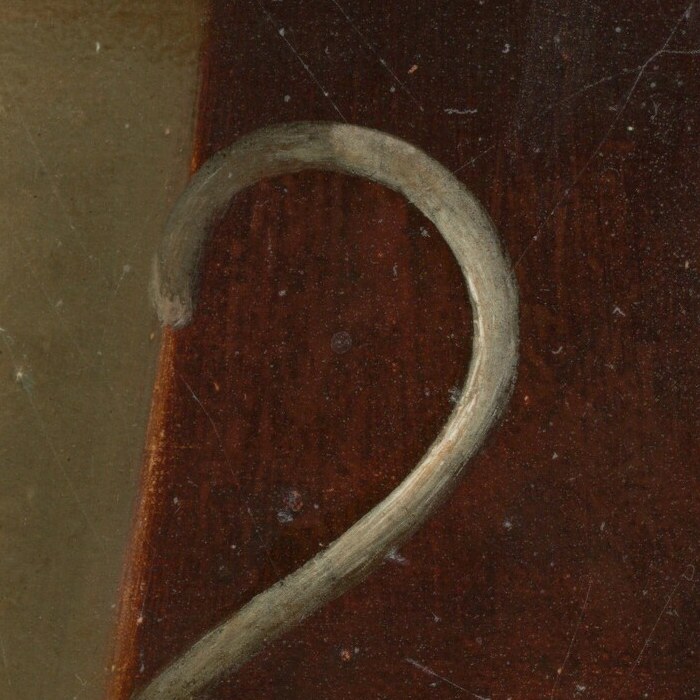
Look closely at the table, where humble items like bread, a coffee cup, and a knife are arranged. Peto's use of light and shadow, combined with thin layers of oil paint, creates a remarkable sense of depth and realism, making these everyday objects feel almost tangible.
Peto was known for his trompe-l'oeil still lifes, works that challenge our perception with their illusionistic detail. This painting reflects his interest in elevating commonplace scenes, inviting us to appreciate the beauty in the domestic and the mundane. It's a testament to his ability to find profound meaning in the simplest of subjects.
What everyday object in your home would you choose to immortalize?
Details

Transcript
This painting is called "Breakfast." The artist specialized in "still life" paintings. He used thin layers of oil paint to create depth. Notice the detailed wood grain in the foreground. The humble objects suggest an intimate, quiet morning. He captures the simple beauty of everyday life.