Marcelle Lender Dancing the Bolero in "Chilpéric" by Toulouse-Lautrec, Henri de
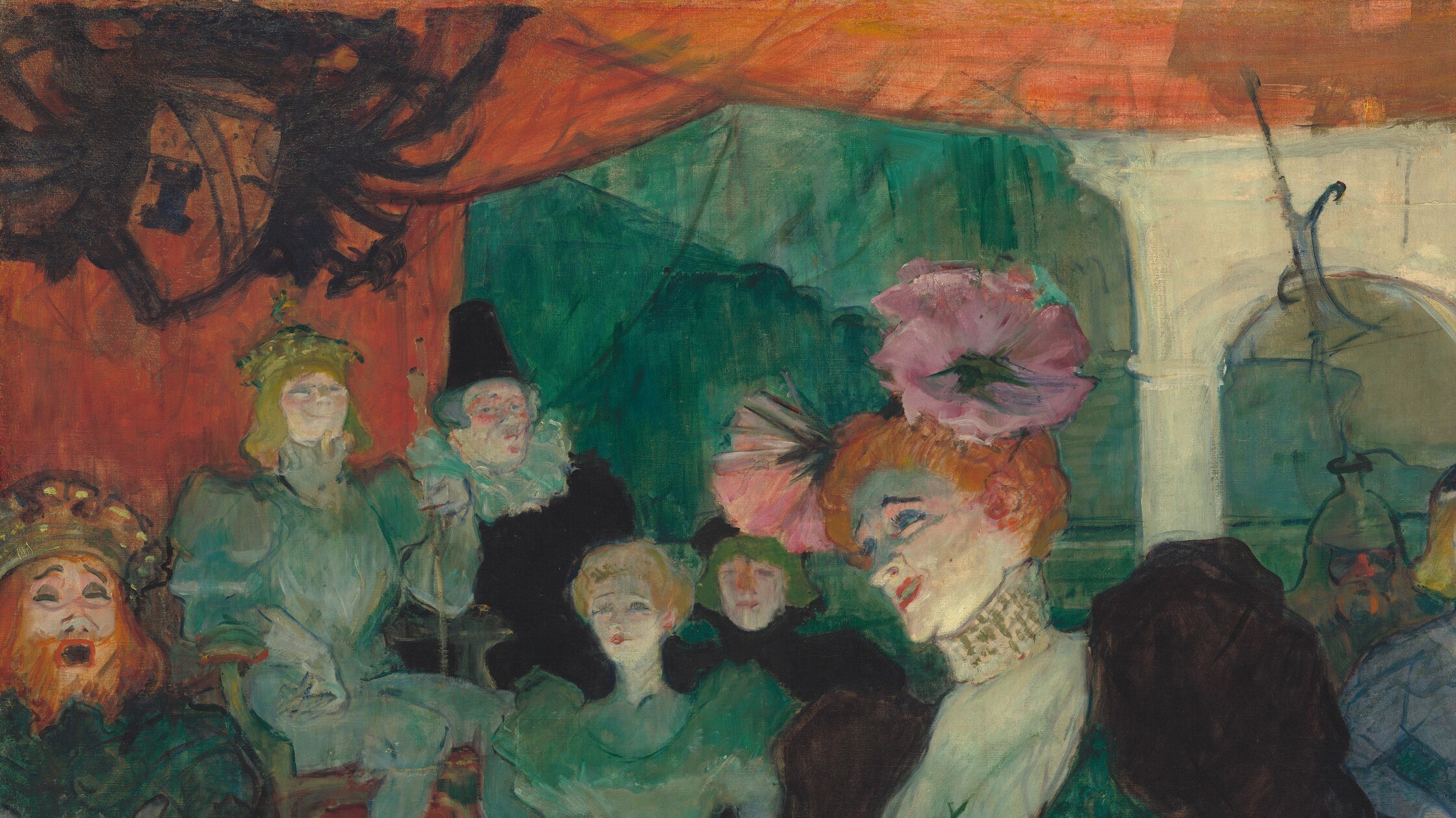
Henri de Toulouse-Lautrec saw the operetta Chilpéric nearly twenty times in 1895, and this painting explains why. Marcelle Lender Dancing the Bolero in 'Chilpéric' is not a hired commission or a casual night out. It is a record of a private fixation, now held by the National Gallery of Art in Washington, D.C.
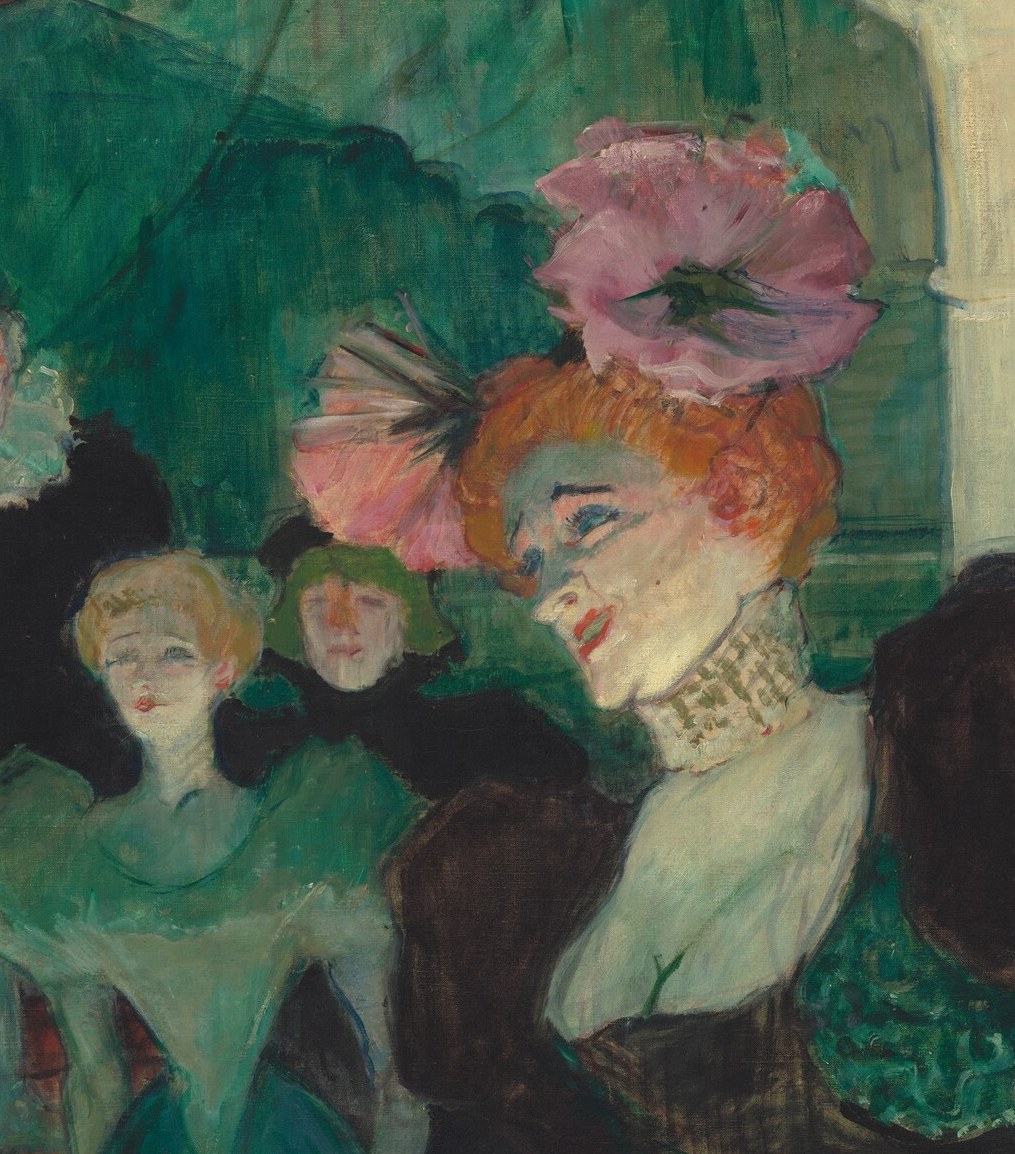
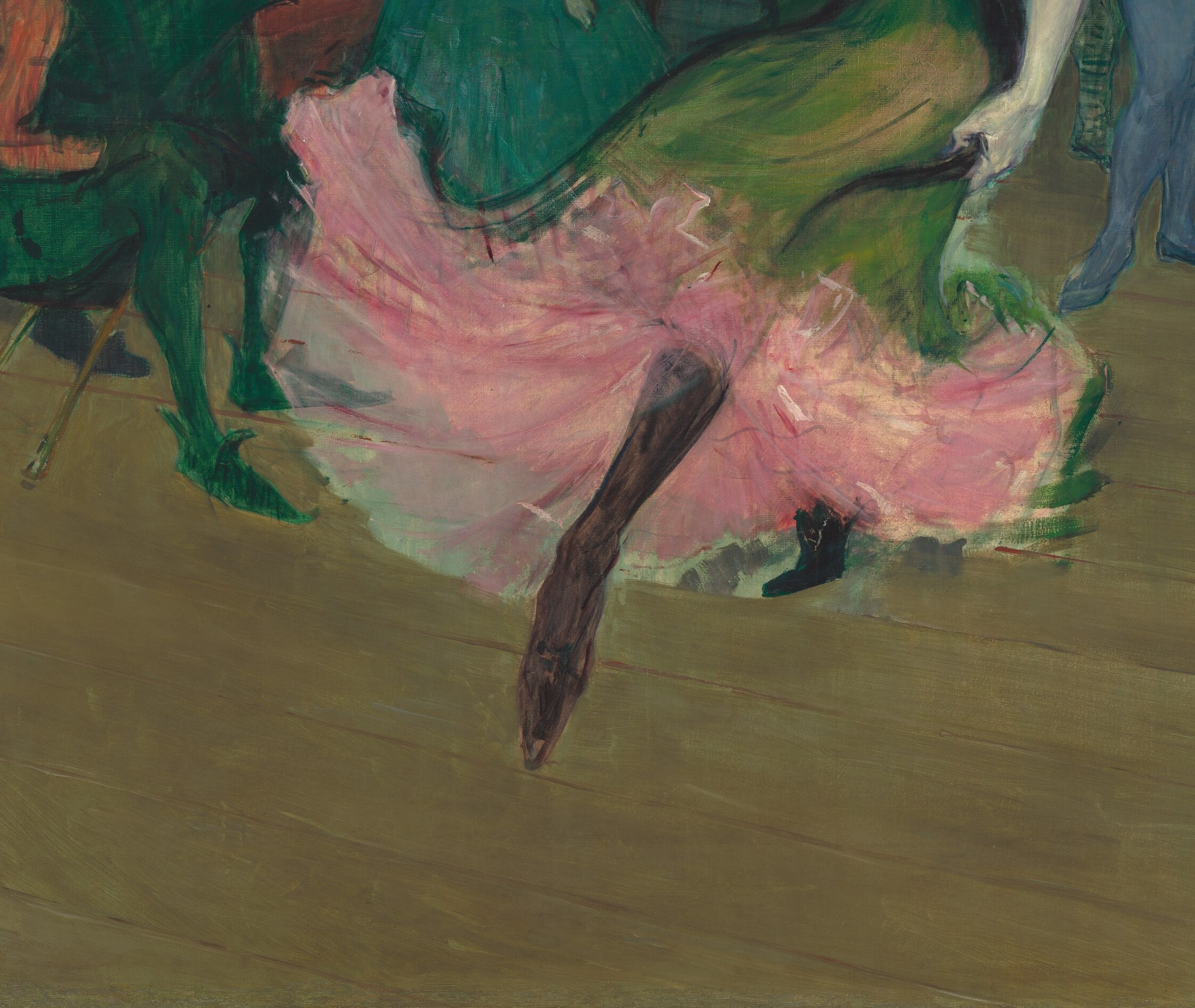
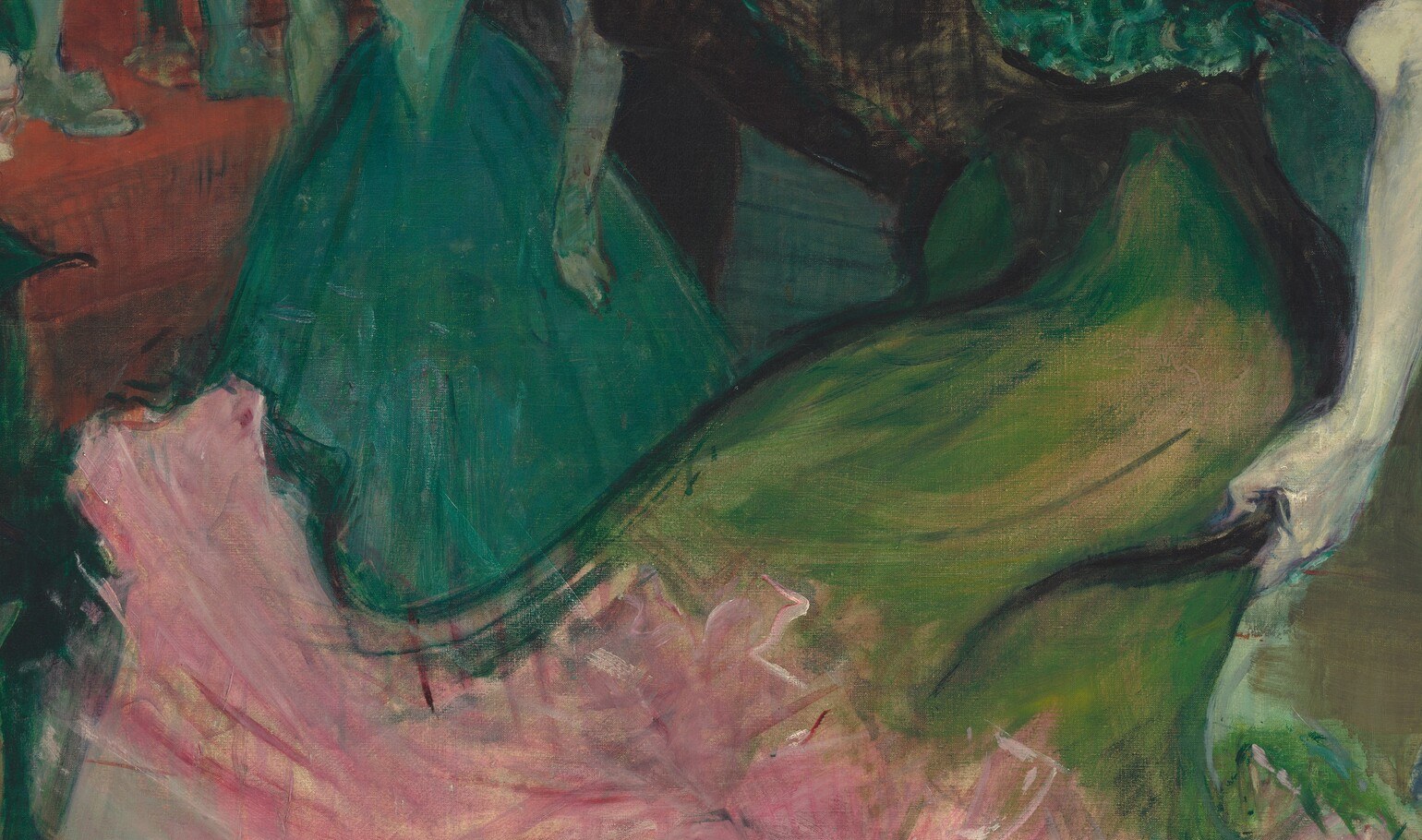
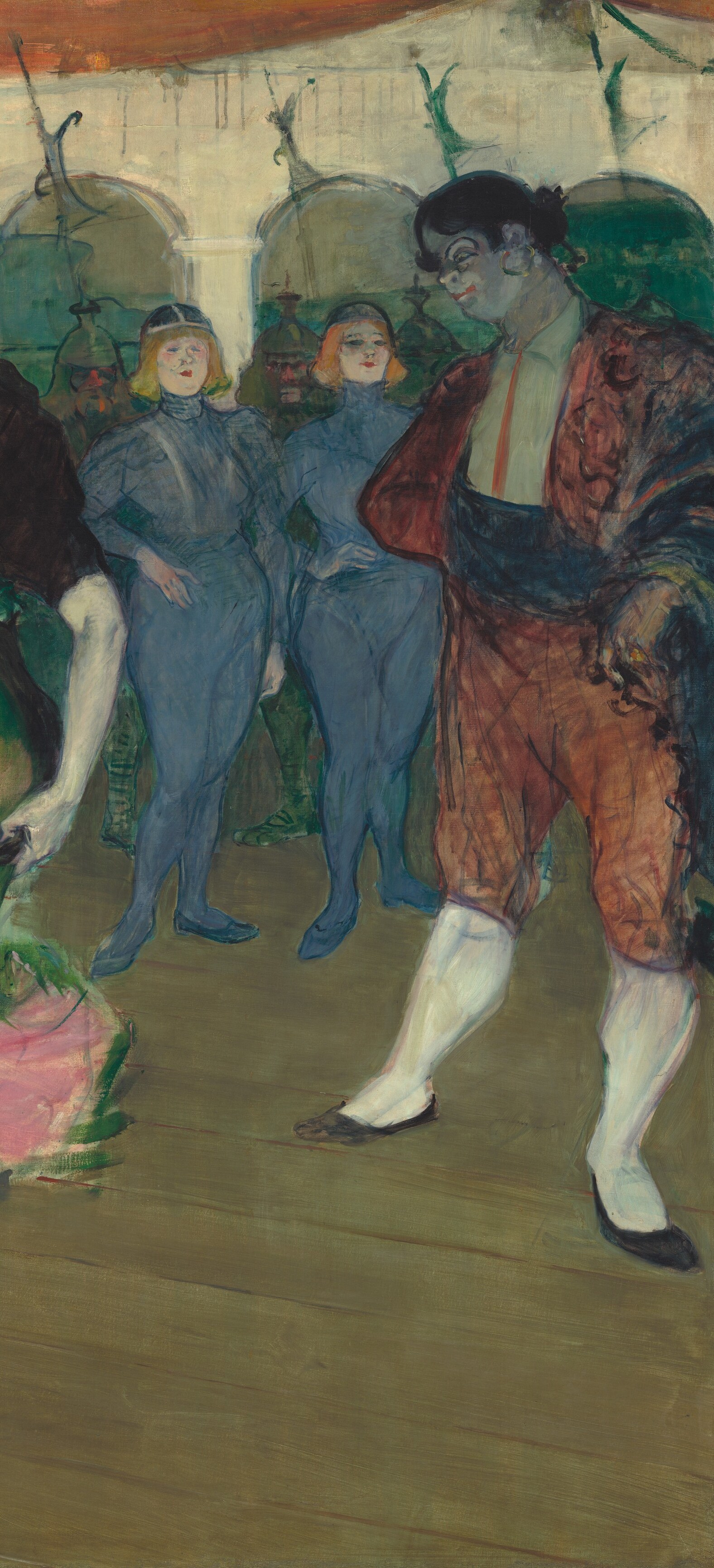
Forget the male dancer on the right and the props. Let your eye go straight to Marcelle Lender's face, caught mid-bolero turn with a mask-like intensity. Then drop to the skirt. Lautrec lays the pink down in flat, unmodulated passages. No shading, no apology. He borrowed this hard graphic flatness from Japanese prints, and it makes the dancer pop forward like a theater poster.
The context only deepens the story. The show itself, a farce about Merovingian kings, was not a success. But Lautrec's fascination with Lender, a star of the Parisian stage, drove him to return again and again. He would die just a few years later, in 1901, at thirty-six, leaving behind a body of work that captured a city's nightlife from the inside.
The painting feels like a souvenir of an obsession, a private performance captured in oil by a man who couldn't look away.
Details
Transcript
Paris, 1895. A new operetta called Chilpéric opens. The show is a flop. But Lautrec goes back. Night after night. He is fixated on one thing: the dancer Marcelle Lender. He returns twenty times, studying her face in the gaslight. Look at the skirt. No shading. Just pure pink, flat like a poster. His obsession produces a strange, hard-edged masterpiece.