Portrait of a Man with a Rosary by Lucas Cranach the Elder
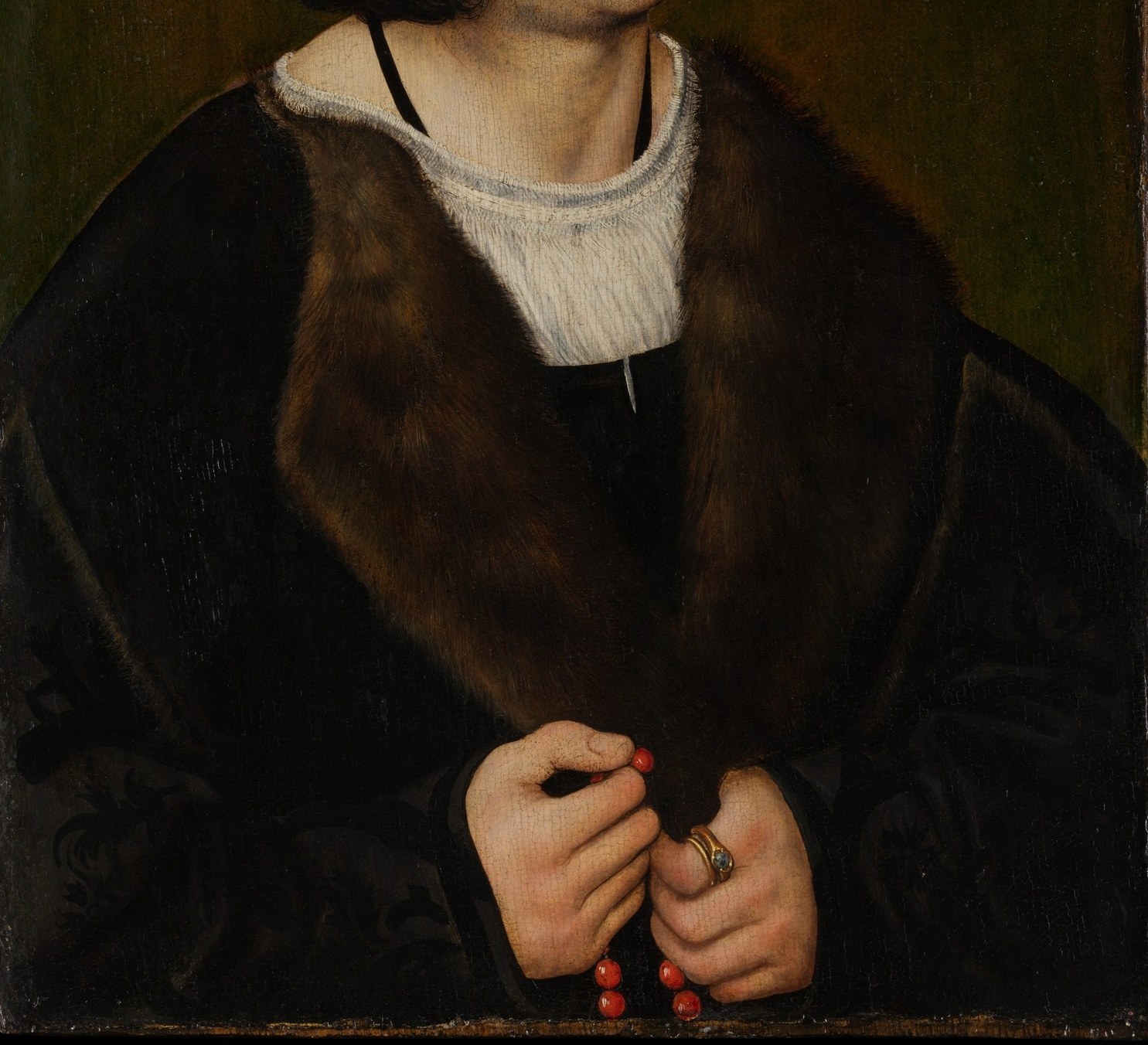
Lucas Cranach the Elder completed Portrait of a Man with a Rosary in 1508, and it now hangs at The Metropolitan Museum of Art. The sitter is unidentified, but every object in the frame identifies him anyway. This is a portrait built of coded signals, and reading them tells you exactly who he was, or who he wanted you to think he was.
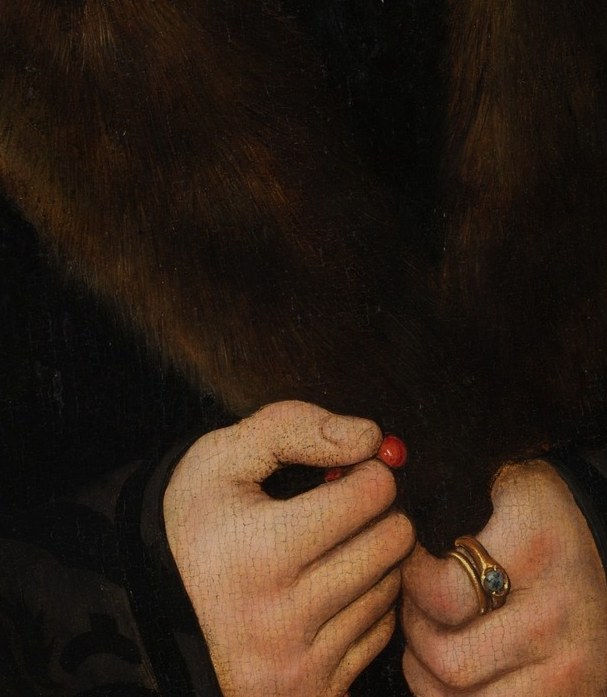
The dark fur-lined coat is the first signal. In early 16th-century Germany, fur was expensive and legally regulated by sumptuary laws. This man is prosperous. But look at his hands: the ring is modest, and his hands clasp not a document or a jewel but a string of red rosary beads, the only saturated color in an otherwise near-monochrome palette. Cranach made sure you see them.
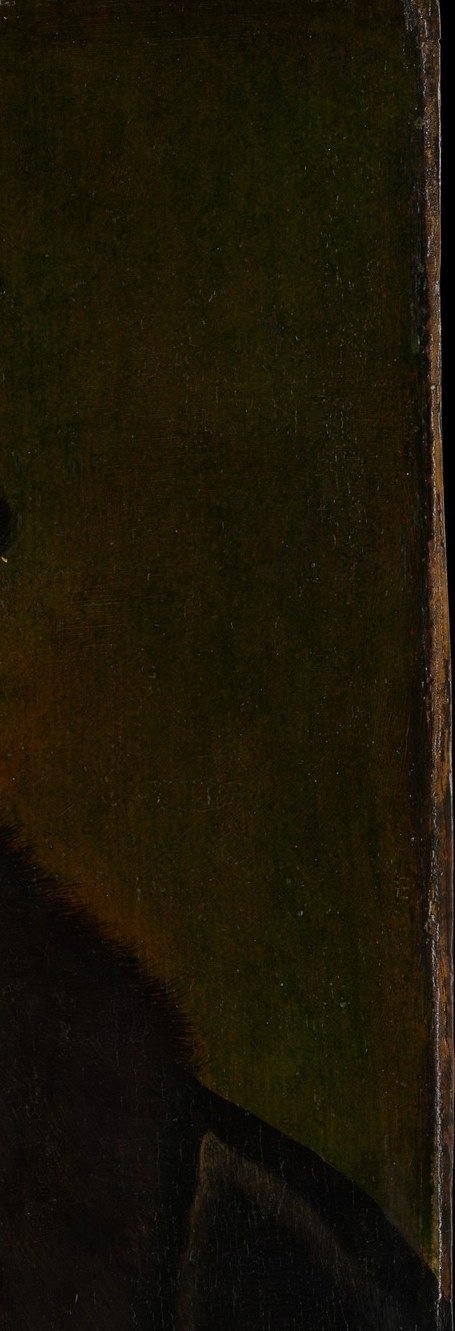
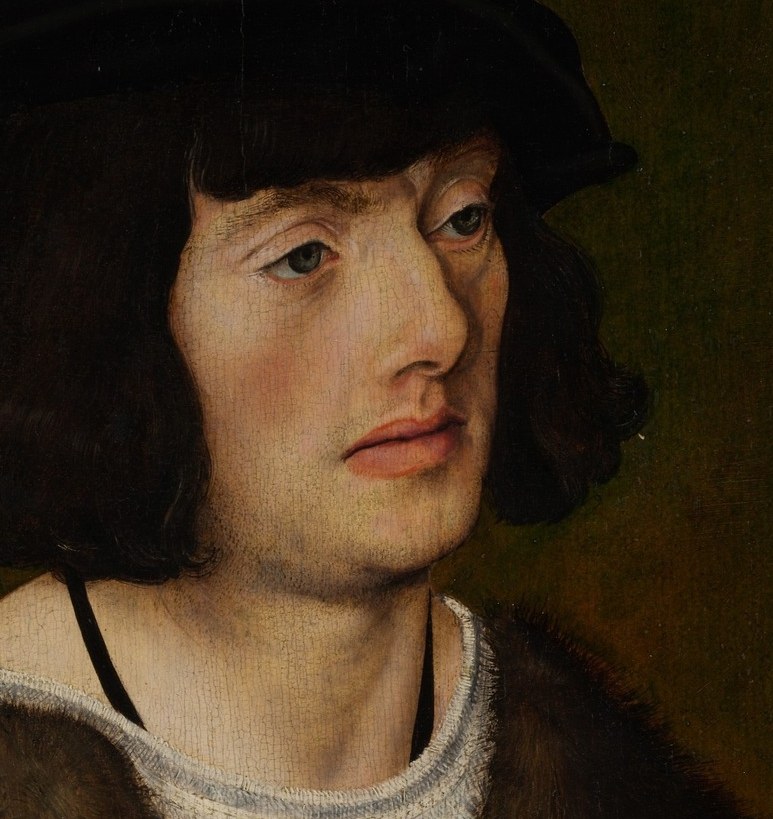
Behind the sitter there is nothing. No window onto a landscape, no interior, no books or devices. This bare dark void is a deliberate choice. Cranach's portraits from this exact moment were moving away from busy Flemish interiors. The emptiness forces you to look at the man and only the man, specifically, at his face and his hands in prayer.
Cranach was court painter to the Electors of Saxony and a close friend of Martin Luther. Nine years after this portrait was painted, Luther would nail his theses to the door. This man, frozen in 1508, embodies a particular pre-Reformation ideal: material success held quietly, and piety worn outwardly as the defining thing about you.
Details
Transcript
1508. The Reformation is nine years away. His fur-lined coat cost more than a tradesman earned in a year. But his hands do not display a jewel. They hold a rosary. Red beads, the only color in the frame. The background is bare. No window, no landscape, no books. Cranach was Luther's close friend. He painted the man, not the possessions. The code adds up: wealth acknowledged, piety chosen.