Young Woman Praying by Jean-Jacques Henner
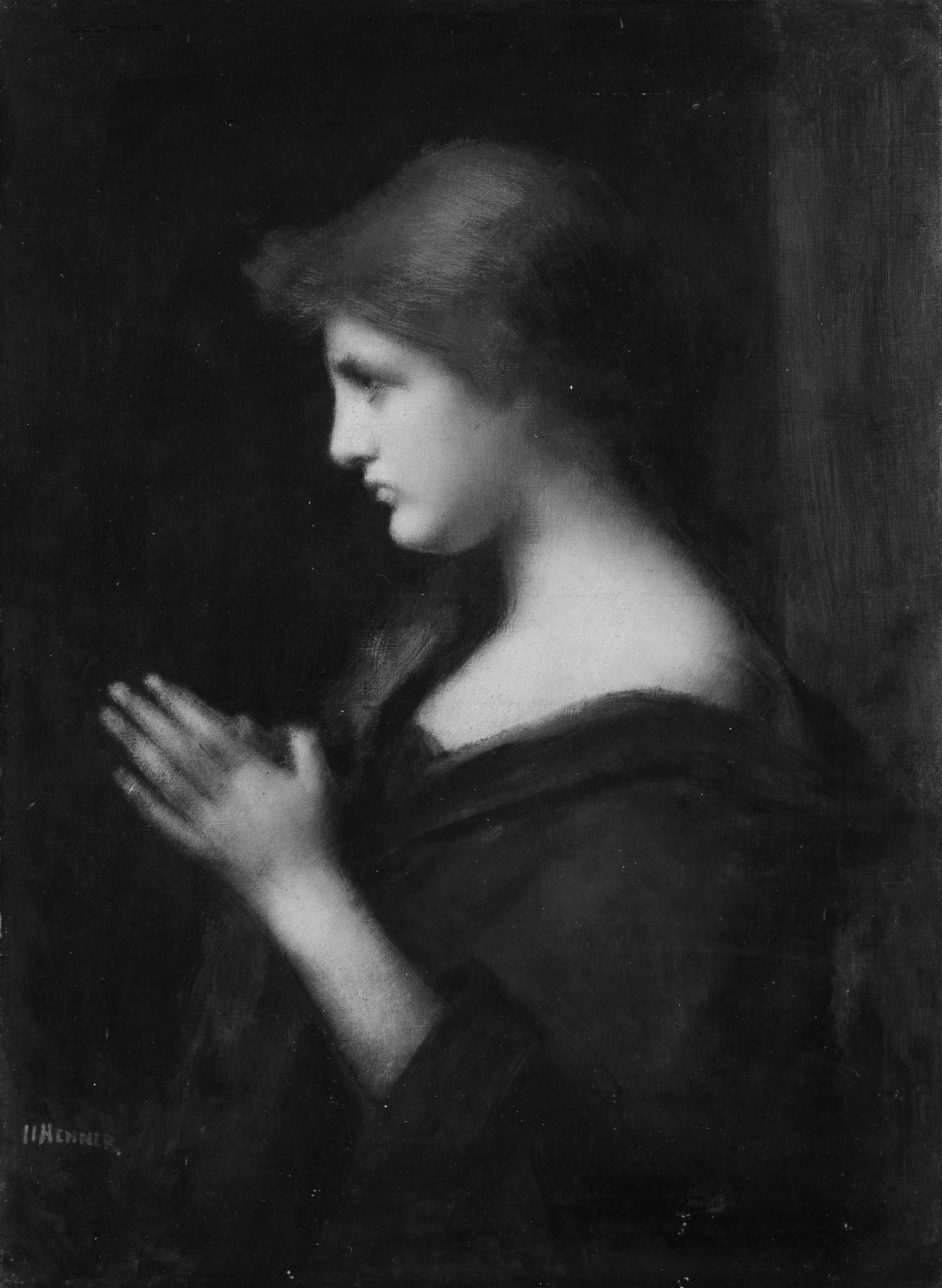
Jean-Jacques Henner's "Young Woman Praying," from 1889, is a beautiful example of the artist's mastery of light and shadow, held in the collection of The Metropolitan Museum of Art.
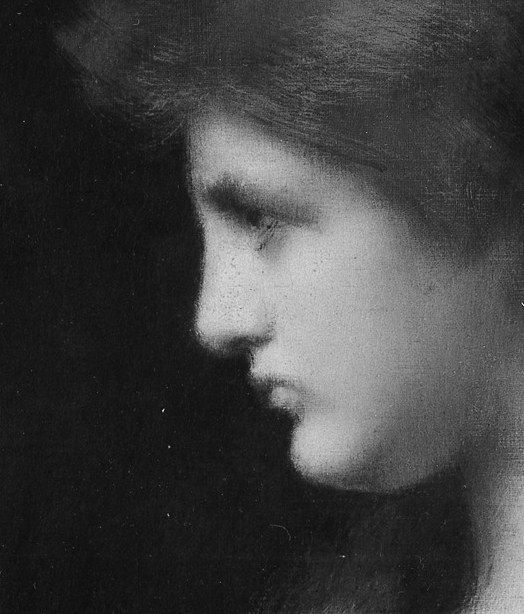
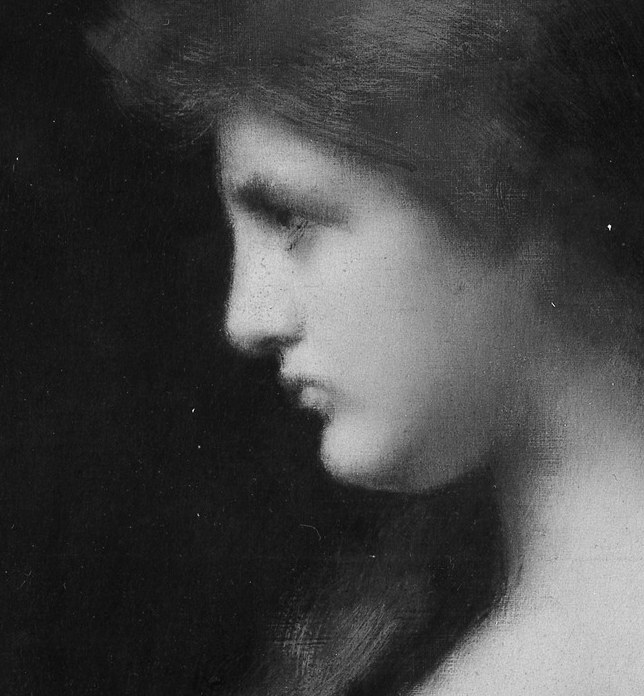
Henner was renowned for his sfumato technique, which creates soft, blurred transitions between colors and tones. Notice the ethereal quality of the light on the woman's hair and the subtle rendering of her profile, emphasizing her serene and introspective mood.
The dramatic chiaroscuro, with her illuminated figure set against a deep, unlit background, draws the viewer into her moment of quiet devotion. It’s a powerful composition that conveys intimacy and spiritual focus without grand narrative.
Henner's work often explored themes of introspection and the human form, making this painting a hallmark of his naturalistic style. What details do you find most striking?
Details
Transcript
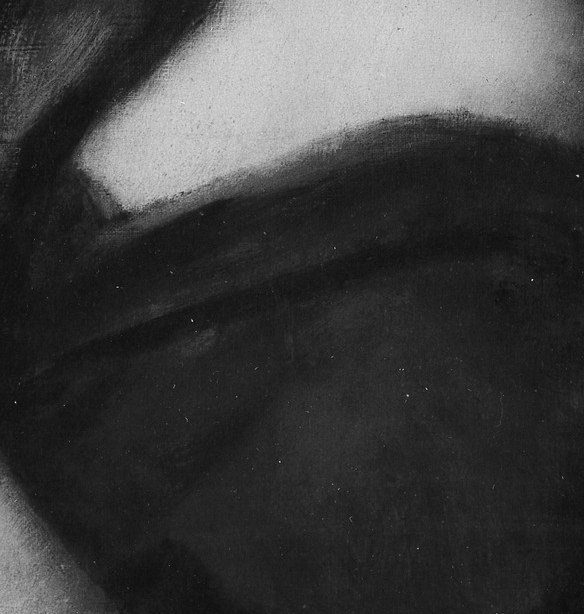
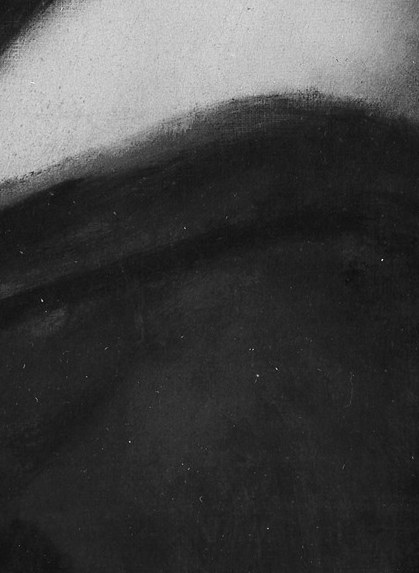
This painter was known for soft light and deep shadows. He used a technique called sfumato, blurring lines. Look at the gentle glow on her hair and face. Her clasped hands are illuminated, drawing our eye. This creates a sense of quiet, personal devotion. It highlights her solitary focus against the dark background.