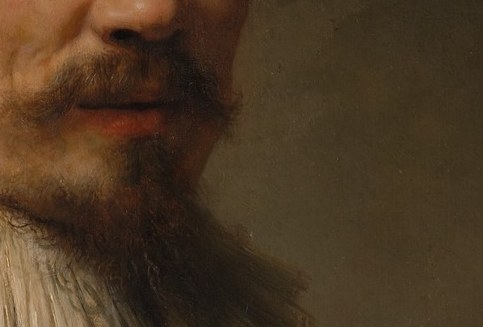
Portrait of Herman Doomer by Rembrandt
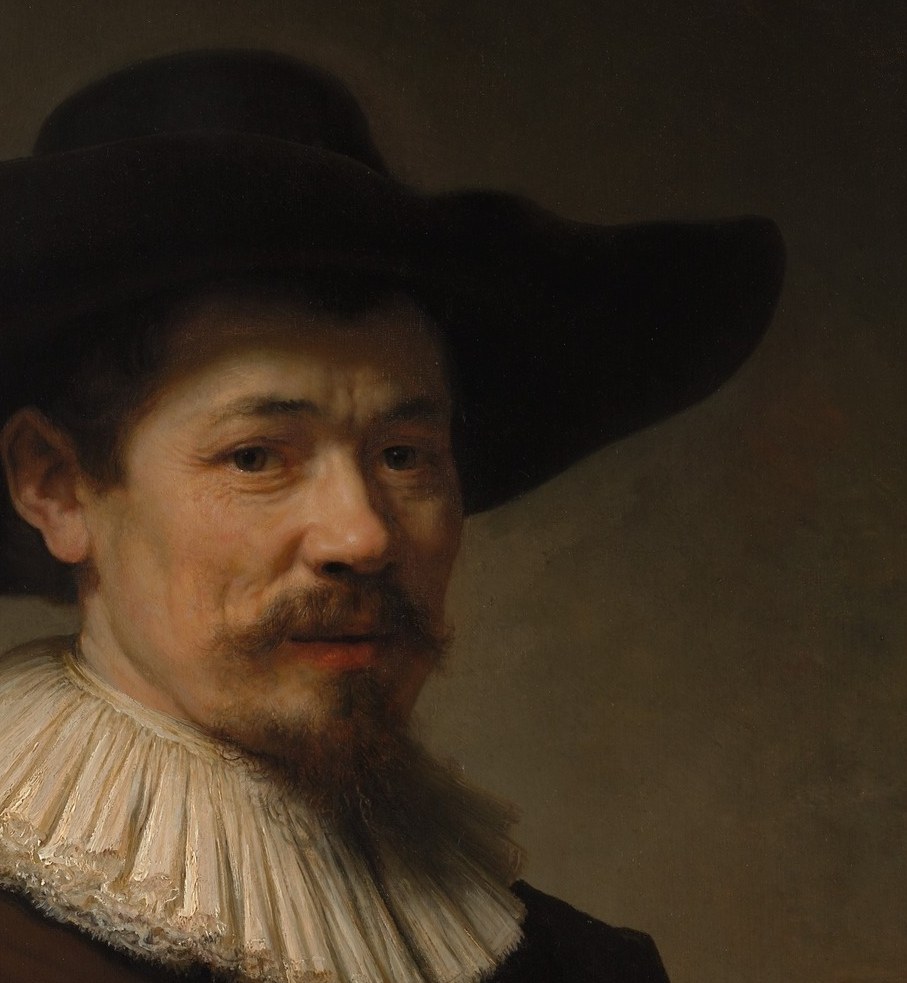
Rembrandt's 'Portrait of Herman Doomer' (1640) carries a remarkable hidden story, one less about paint and more about a family's determination to stay together. The sitter is Herman Doomer, a successful Amsterdam cabinetmaker who specialized in the era's fashionable ebony work. He sits for Rembrandt as a man of substance, his illuminated face emerging from a deep, warm shadow.
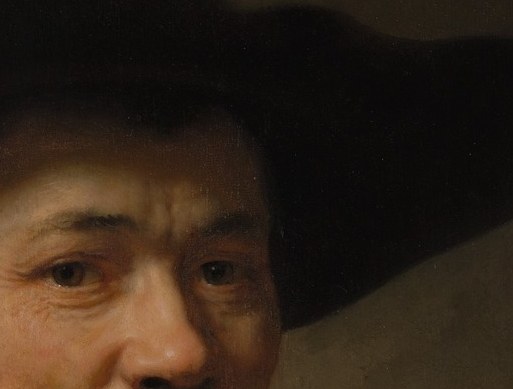
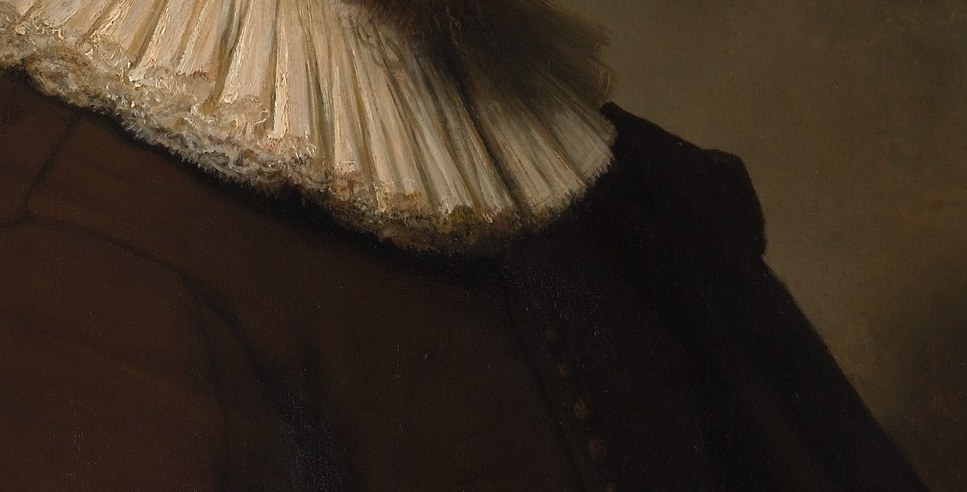
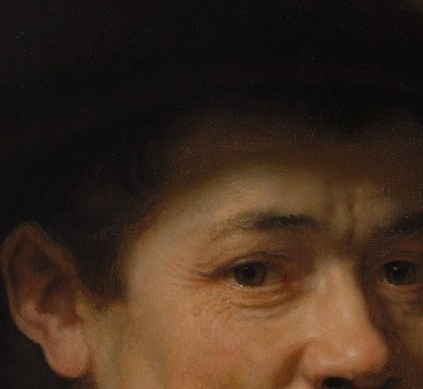
Look closely at the sitter's eyes. Rembrandt leaves one brightly lit, complete with a catchlight that gives the face its alert, watchful intelligence. The other eye recedes into shadow. This asymmetry isn't just a trick of the light; it's a psychological portrait. It suggests a man who is fully present in the world, yet keeps a part of himself held back, reserved. The virtuoso white ruff, painted with astonishingly loose strokes that somehow read as stiff lace, pushes his face forward, demanding attention.
The history of the painting reveals its deeper purpose. Rembrandt also painted Doomer's wife, Baertje Martens, as a companion piece. When she died in 1654, her will bequeathed the portraits to their son, Lambert, who was an artist himself. But the gift came with a profound stipulation: Lambert was required to personally make copies of both portraits for each of his brothers and sisters. It was a mother's posthumous act of preservation, ensuring that her children could not be divided by a single, unreproducible image.
This painting, now in the Metropolitan Museum of Art, is therefore more than a record of a prosperous merchant. It is the original. It's the source image that a son painstakingly replicated, tracing his father's features by hand, so that every branch of the family could possess his likeness. What would it feel like to copy your own father's eyes from a Rembrandt?
Details
Transcript
He looks like a man who knows his own worth. Herman Doomer. Amsterdam's master of ebony. Rembrandt painted him and his wife as a pair. When she died, her will gave the portraits to their son. But there was one condition. He had to copy them. For every brother and sister. A son's hand, tracing his father's face, so no one was left out.