Portrait of a Young Woman by Florentine 16th Century
This is "Portrait of a Young Woman," painted in Florence around 1530 to 1540 by an unknown sixteenth-century artist.
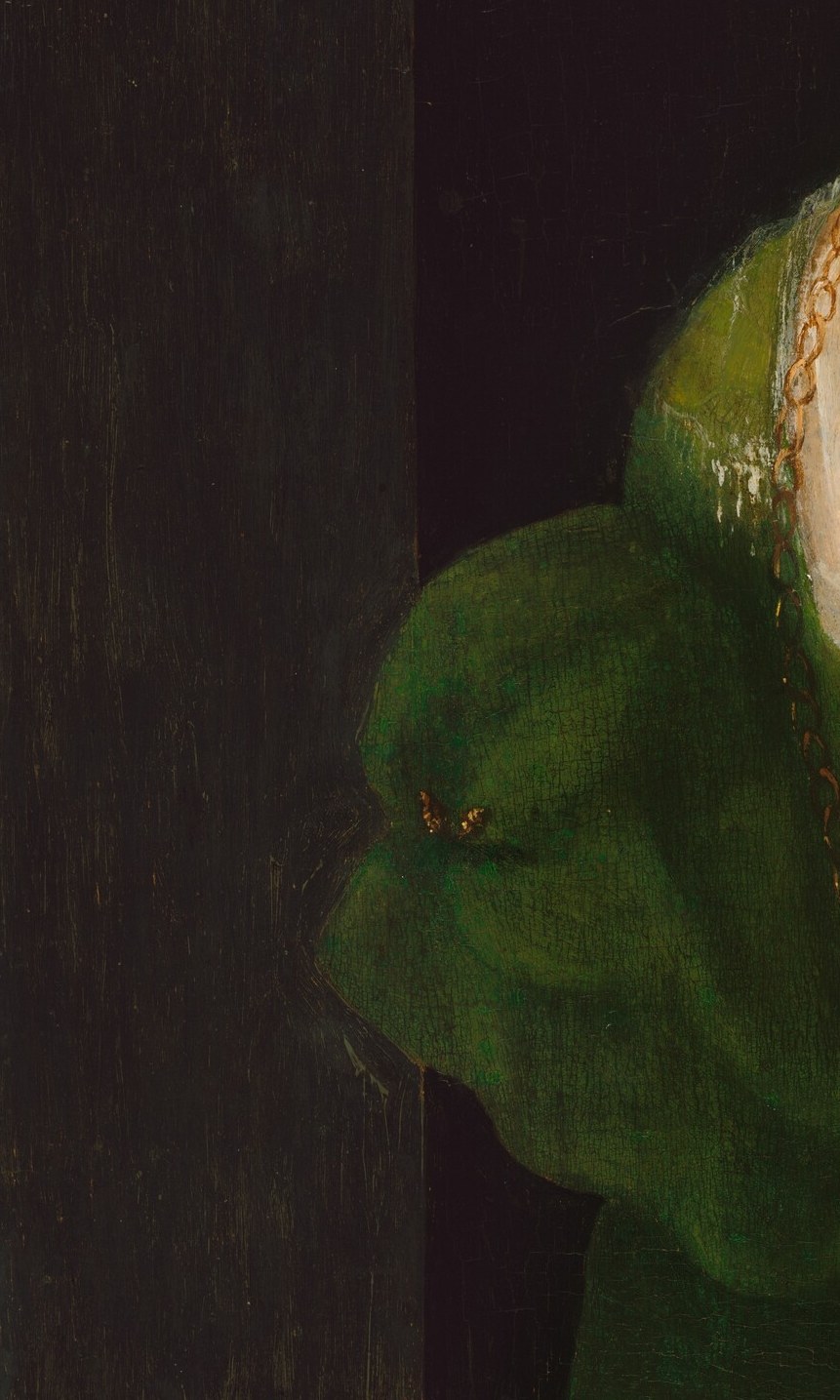
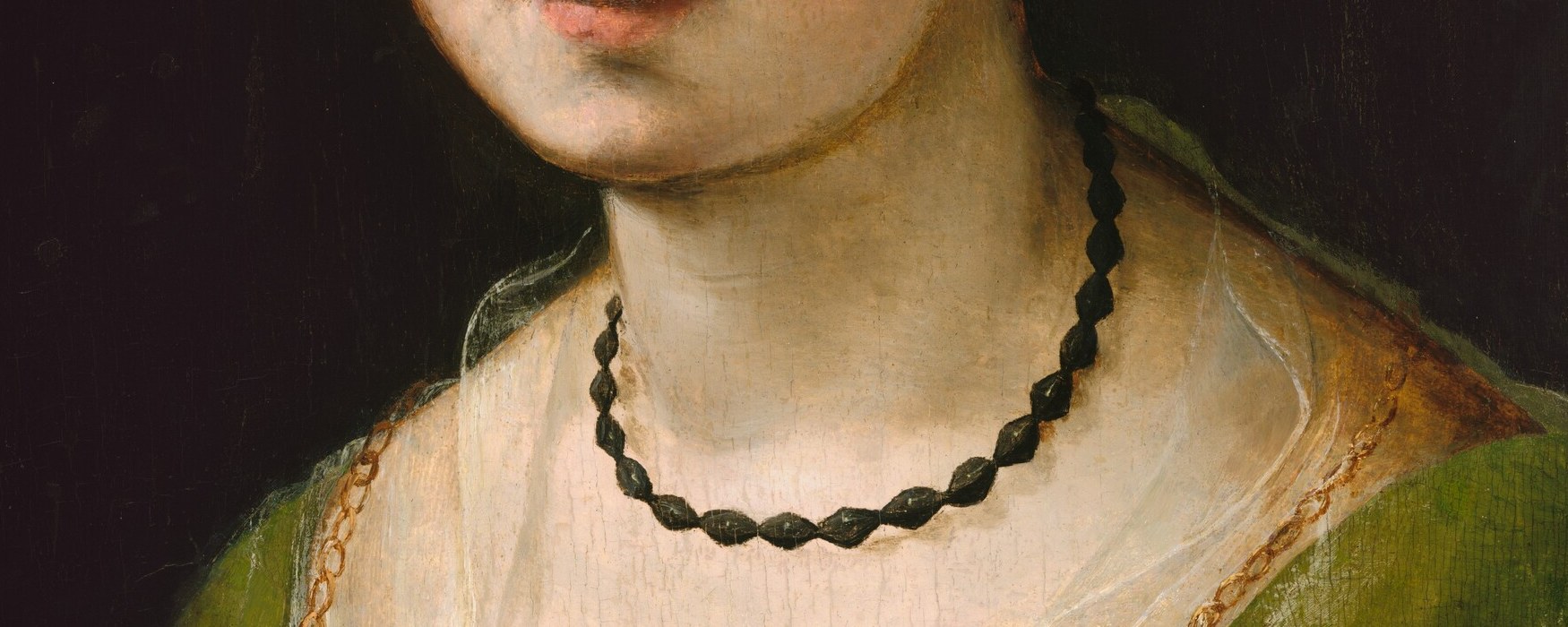
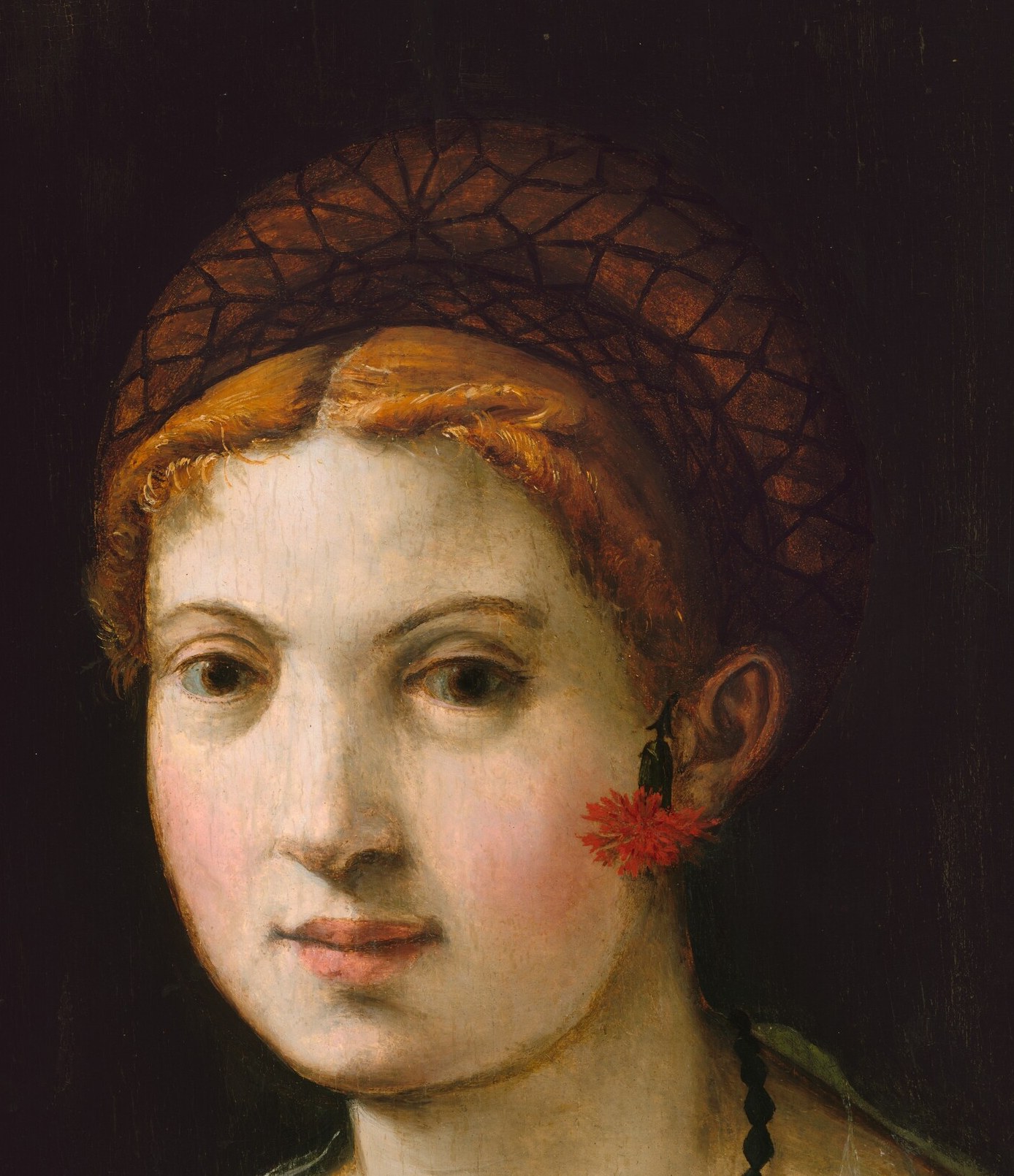
Look first at the left edge of the panel. Her puffed sleeve is sliced off mid-volume. The wooden support was trimmed, probably to fit a new frame or to remove a damaged section. That means the original composition once showed more, possibly a second figure, a window, or an object that anchored her gaze. Then look at the necklace. Jet or dark coral beads carried specific Renaissance codes. Black beads often signaled mourning or chastity, a deliberate semaphore of interior life that a Florentine viewer would have read instantly.
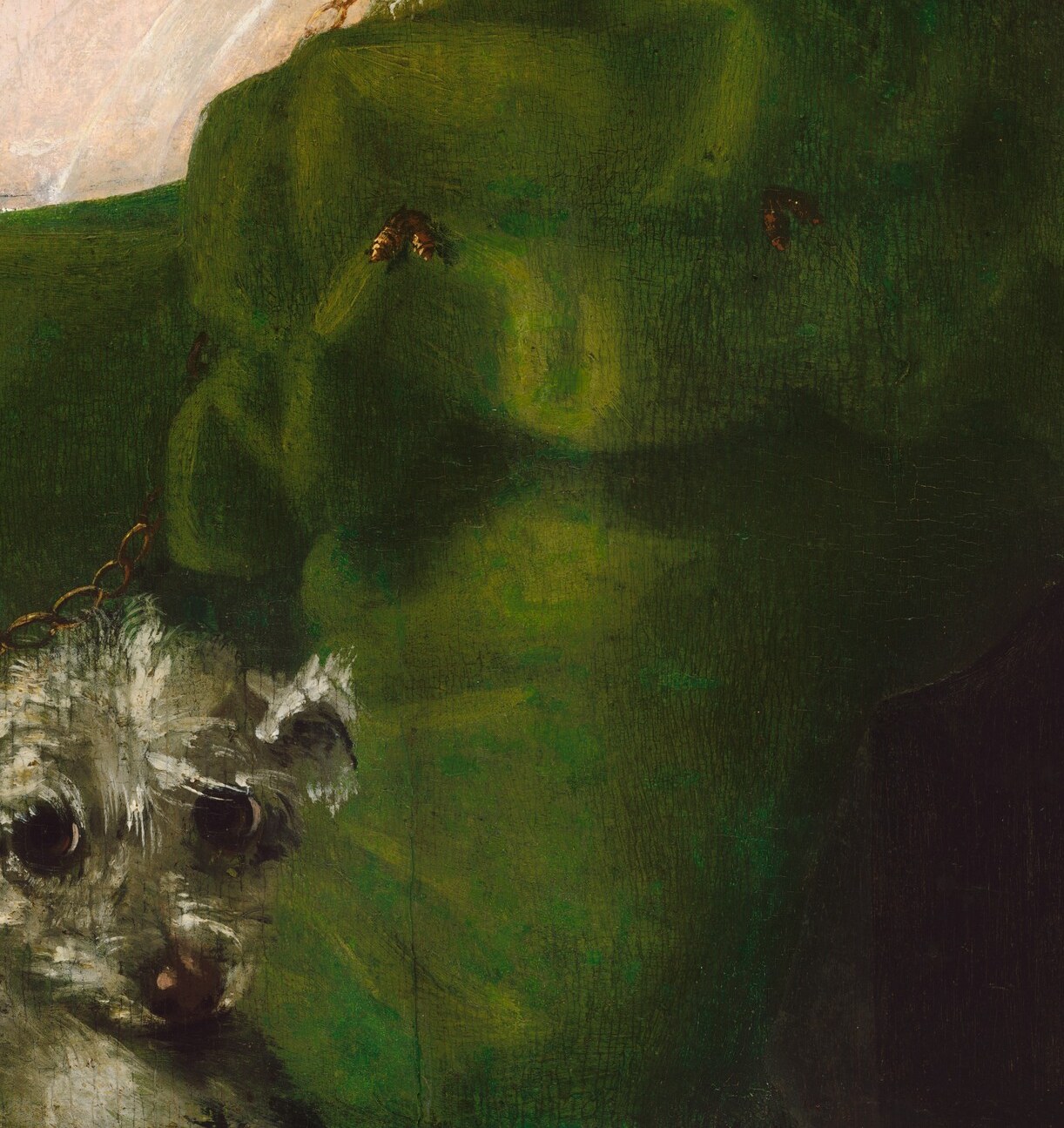
The lapdog complicates the story. Small dogs were frequent props in engagement portraits, symbolizing marital fidelity. So the picture may have been commissioned to mark a betrothal. If the beads do signal mourning, the combined message is layered: a woman entering marriage while still visibly marked by loss. The painting holds both states without resolving them.
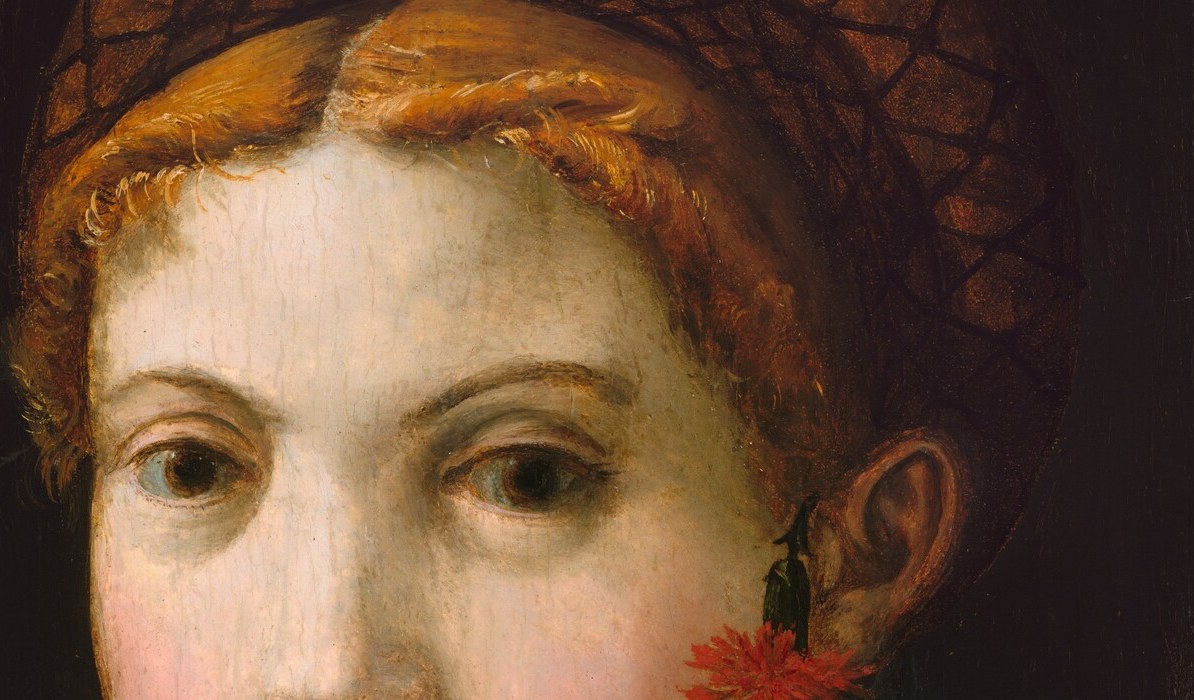
The artist remains unidentified, but the sfumato on the cheeks and the careful glazing of the green bodice reveal a hand trained in the Florentine tradition that runs from Leonardo through Bronzino. The panel now lives in a public collection where it continues to reward the patient eye.
Details
Transcript
Florence, around 1535. A young woman sits for her portrait. The dog says fidelity. This is likely an engagement picture. But look at the left edge. Her sleeve is cut off. The panel was trimmed. Something was removed from this scene. Now the necklace. Jet or dark coral beads at her throat. In Renaissance Florence, black beads could mean one specific thing: mourning. A trimmed panel. Mourning beads. An engagement lapdog. This portrait doesn't resolve, it remembers.