Agrippina and Germanicus by Rubens, Peter Paul, Sir
View the artwork: Agrippina and Germanicus →
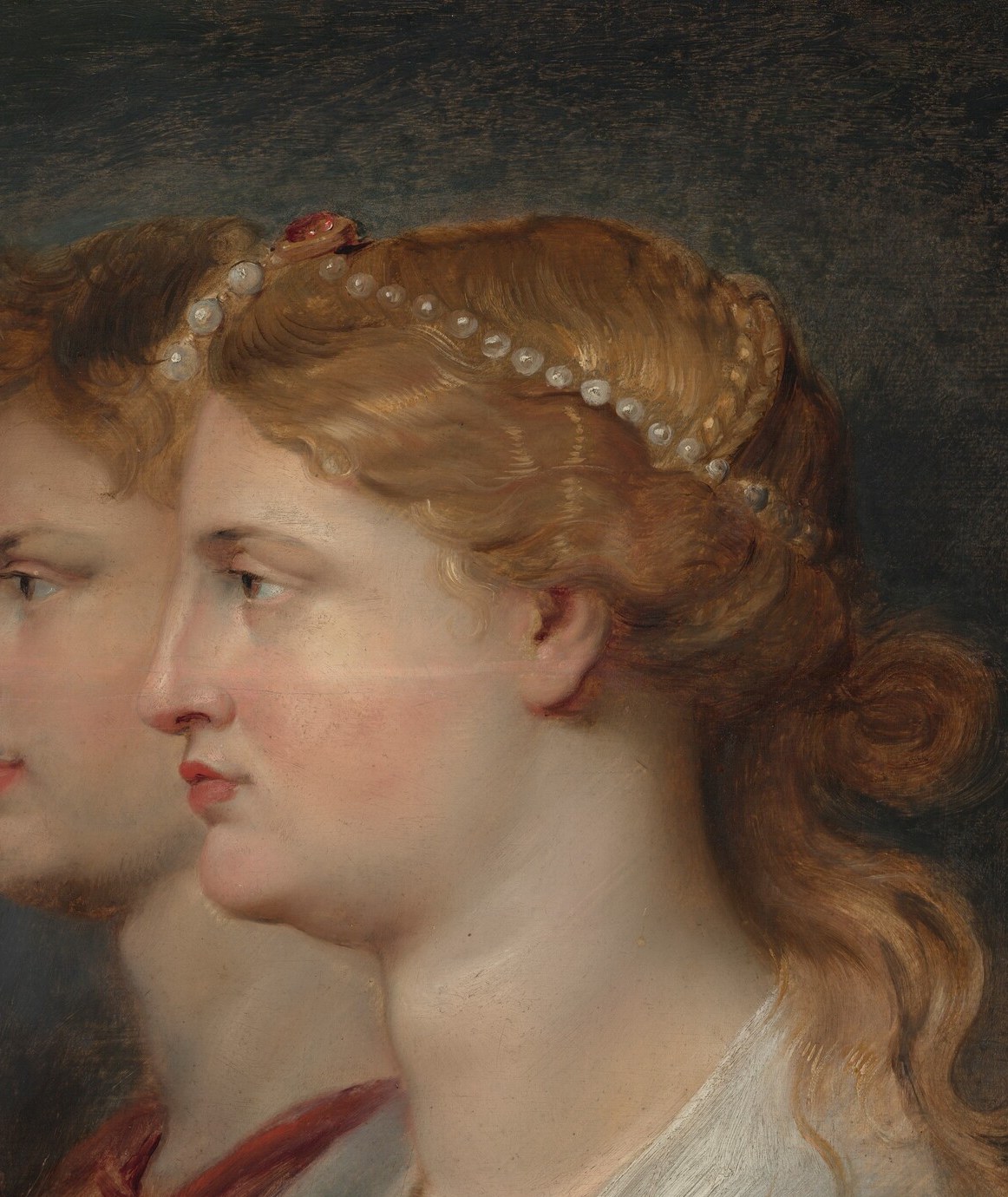
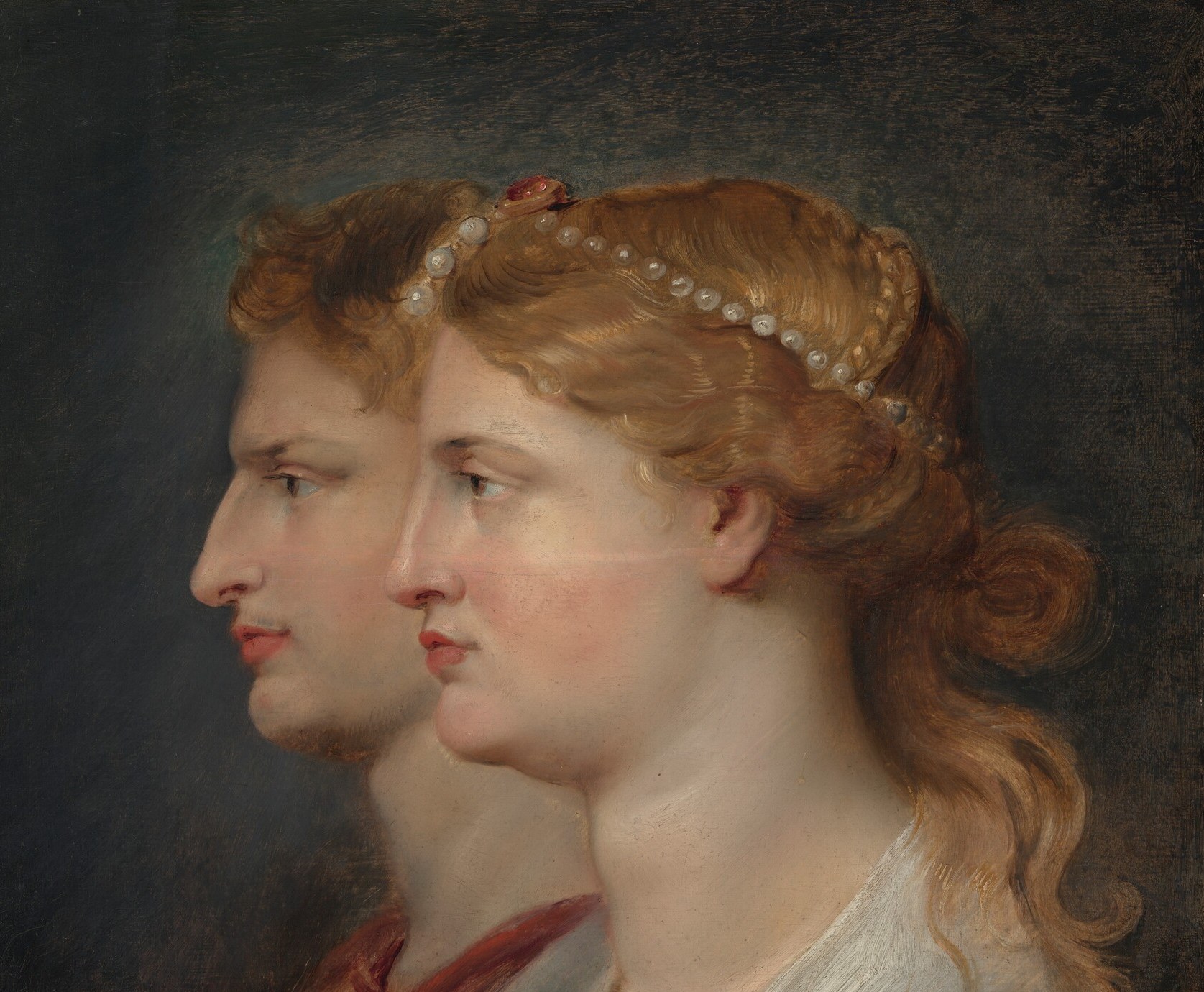
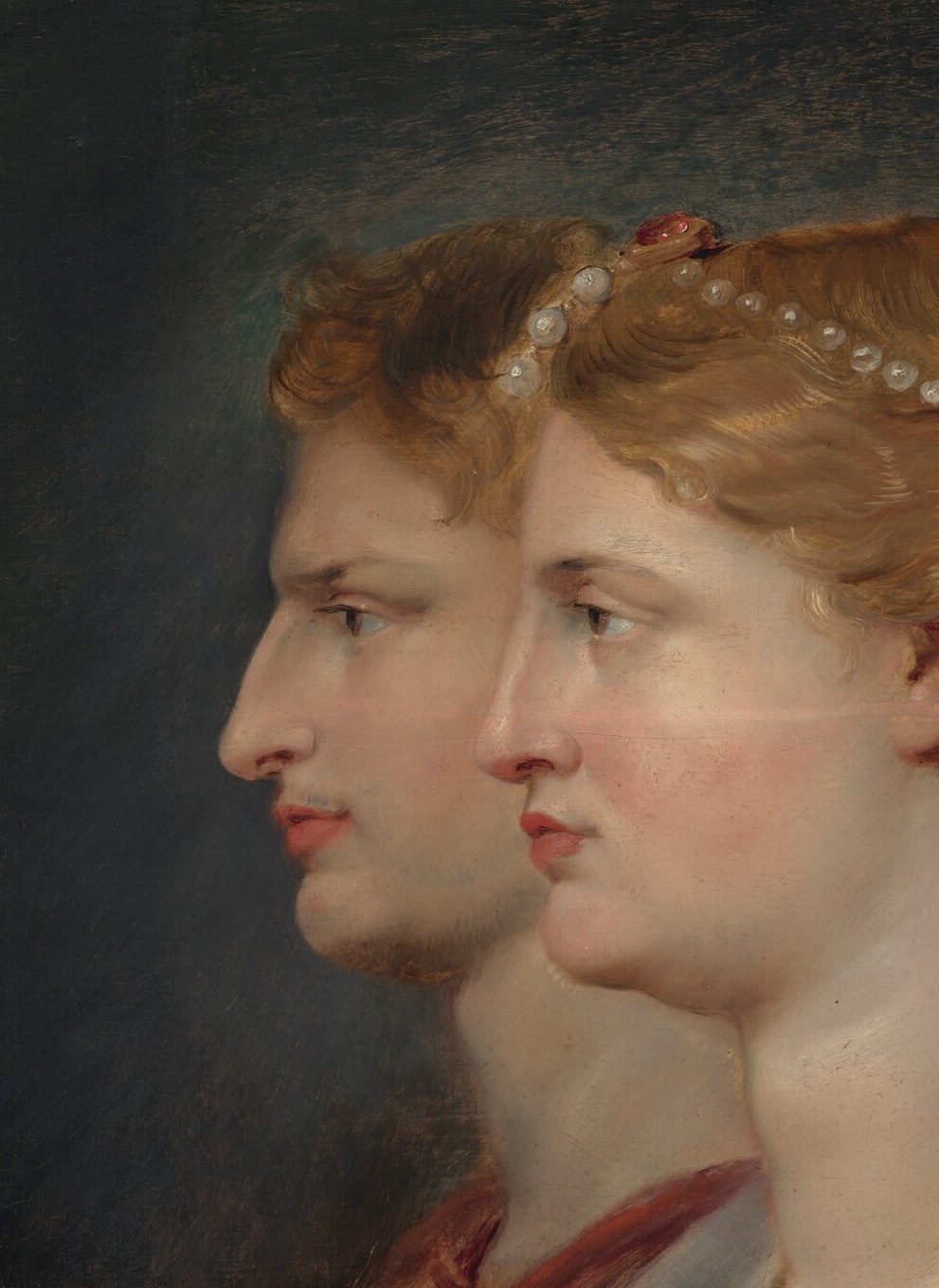
Peter Paul Rubens's 'Agrippina and Germanicus' (c. 1614) hangs in the National Gallery of Art in Washington, a quiet masterpiece that breaks a rule of ancient Roman art.
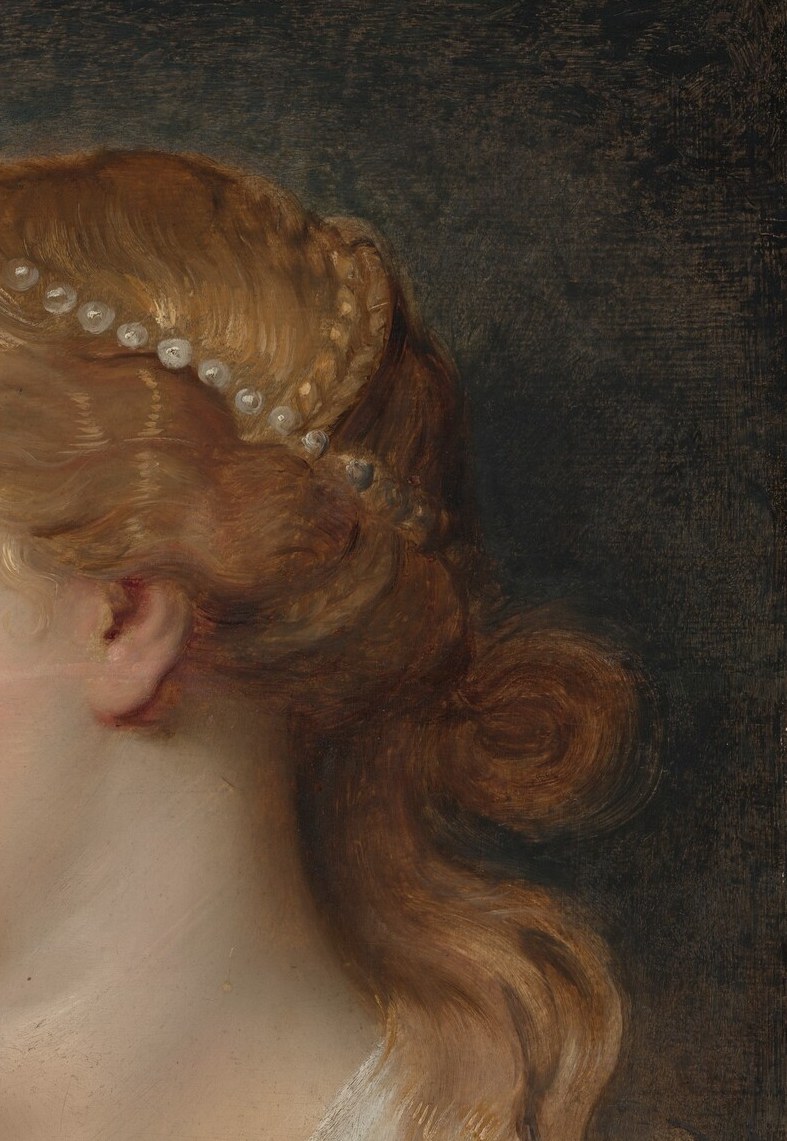
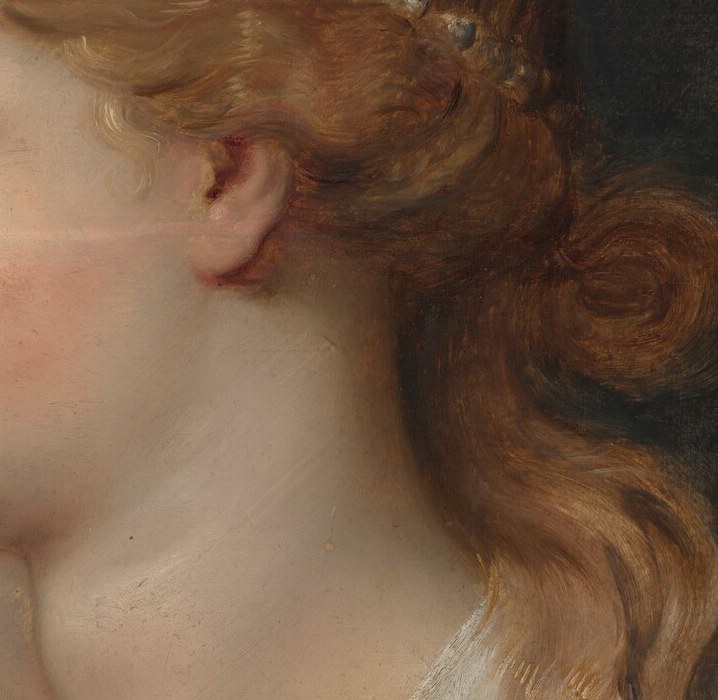
Look first at the composition. In ancient cameos and medals, the male profile almost always sat in front. Here, Rubens has placed Agrippina the Elder forward, her luminous, ivory-toned skin and wavy golden hair dominating the frame. Her husband Germanicus, the celebrated military commander, recedes behind her with a ruddier complexion. The soft glow on her face gives her an almost sculptural serenity.
Rubens painted this after spending eight years in Italy, filling sketchbooks with drawings of ancient gems and sculpture. Agrippina was the granddaughter of Emperor Augustus and a formidable figure; in AD 14, she helped defend the city of Cologne on the Rhine frontier. Rubens, born near Cologne, may have been paying her a personal tribute by reversing convention. Technical analysis reveals he first painted Agrippina alone, then extended the panel to include Germanicus.
The painting’s history is dramatic. Acquired by the Prince of Liechtenstein in 1710, it stayed in the family for over 250 years. After the Nazi annexation of Austria, it was hidden in a monastery and then a salt mine, before finally reaching safety in Vaduz. It now has a permanent home where you can see a woman who commanded a canvas, and a city.
#arthistory #peterpaulrubens #romanhistory
Details
Transcript
In ancient cameos, the man was always in front. Rubens, after years studying Roman art, chose otherwise. He put Agrippina first, her radiance pushing Germanicus back. A subtle glow illuminates her features, her serene composure. It may be a quiet tribute to Cologne, the city she helped defend. He painted her alone first, then expanded the panel for her husband. A woman of such gravity she shaped history, and the canvas itself.