Last Judgement by Hieronymus Bosch
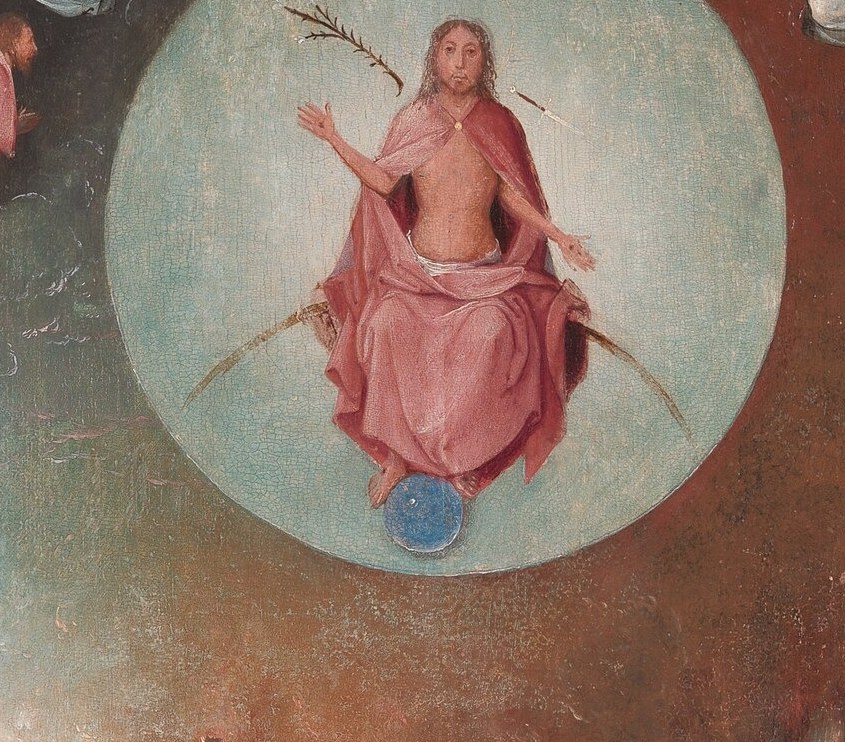
Hieronymus Bosch's "The Last Judgment" (c. 1500) at the Groeningemuseum in Bruges, Belgium, is a triptych still debated by art historians: was it entirely by Bosch, or a collaboration with his workshop? Its authorship remains one of the work's enduring mysteries.
The painting's interior panels explode with a chaotic, fantastical vision of the apocalypse. Look closely at the bizarre details, from the giant pink egg-like structure to the strange instruments played by demons, and the figures trapped in barrels.
This oil on wood masterpiece, one of only eight surviving triptychs attributed to Bosch, showcases his unique style that blends biblical narratives with grotesque and imaginative allegories, reflecting late-15th-century preoccupations with morality and eschatology. It continues to offer profound insights into humanity's fears and desires.
What do you find most striking about Bosch's vision of judgment?
Details
Transcript
This chaotic vision of the Last Judgment, painted around 1500. Art historians still debate: did Bosch paint all of it? Or was it a collaboration with his workshop? His distinctive style features bizarre, fantastical elements. Demons play strange instruments, like this harp. Figures are trapped in barrels, awaiting their fate. Its blend of biblical themes and allegory remains captivating.