Henry Larcom Abbot by Washington Blanchard
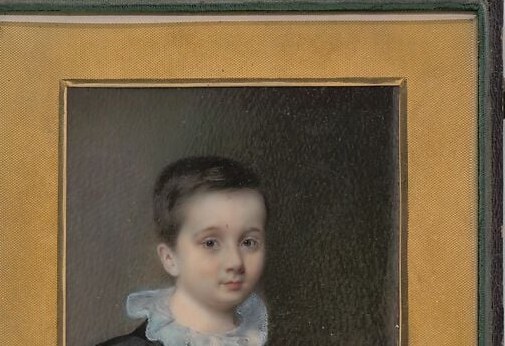
This is a watercolor miniature on ivory, painted in 1835 by the American artist Washington Blanchard. Its title is Henry Larcom Abbot, and the boy in it looks directly back at you with a gravity that feels far beyond his years.
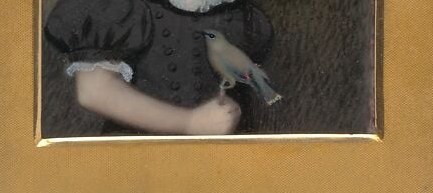
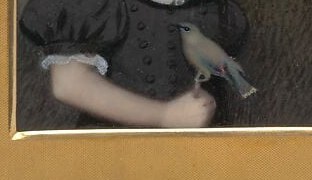
First, find the bird. It is small and still, cradled in his hands. Beside it is a slender stick, perhaps used to catch it. The bird is not a pet. A deceased bird in a child's hands was a vanitas emblem, a quiet symbol of the fragility and brevity of life. The portrait is a keepsake, yes, but it is also a gentle, serious reminder that everything passes.
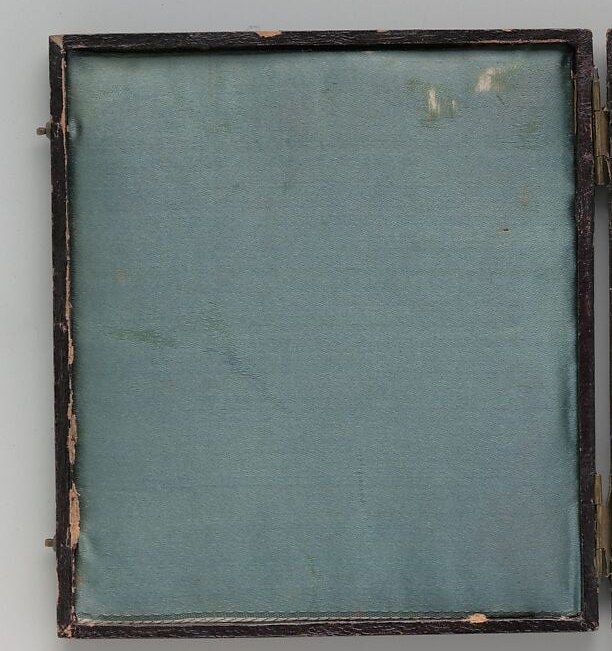
This miniature was painted in watercolor on ivory. The ivory's natural translucency gives the boy's skin its soft glow, a luminous effect that miniature painters prized and that no canvas could replicate. Blanchard worked with a discipline few paintings demand: watercolor on slick ivory cannot be corrected. Every wash was final. The full case survives too, its dark lacquered lid opening like a small door. This was an object made to be held in the palm, carried in a pocket, and opened in a moment of private devotion.
Next time you hold a photograph in your hand, consider this: a family in 1835 held this same miniature, with this same solemn boy, and thought about the same swift passage of time we still try to freeze in images today.
Details
Transcript
1835. A boy sits for his portrait. His gaze meets yours. Direct. Unflinching. Now look at what he holds. A small bird. Dead. In this era, a dead bird in a child's hands meant one thing: life is short. This is not just a likeness. It is a meditation on mortality, painted on a sliver of ivory.