The David Children by Sully, Thomas
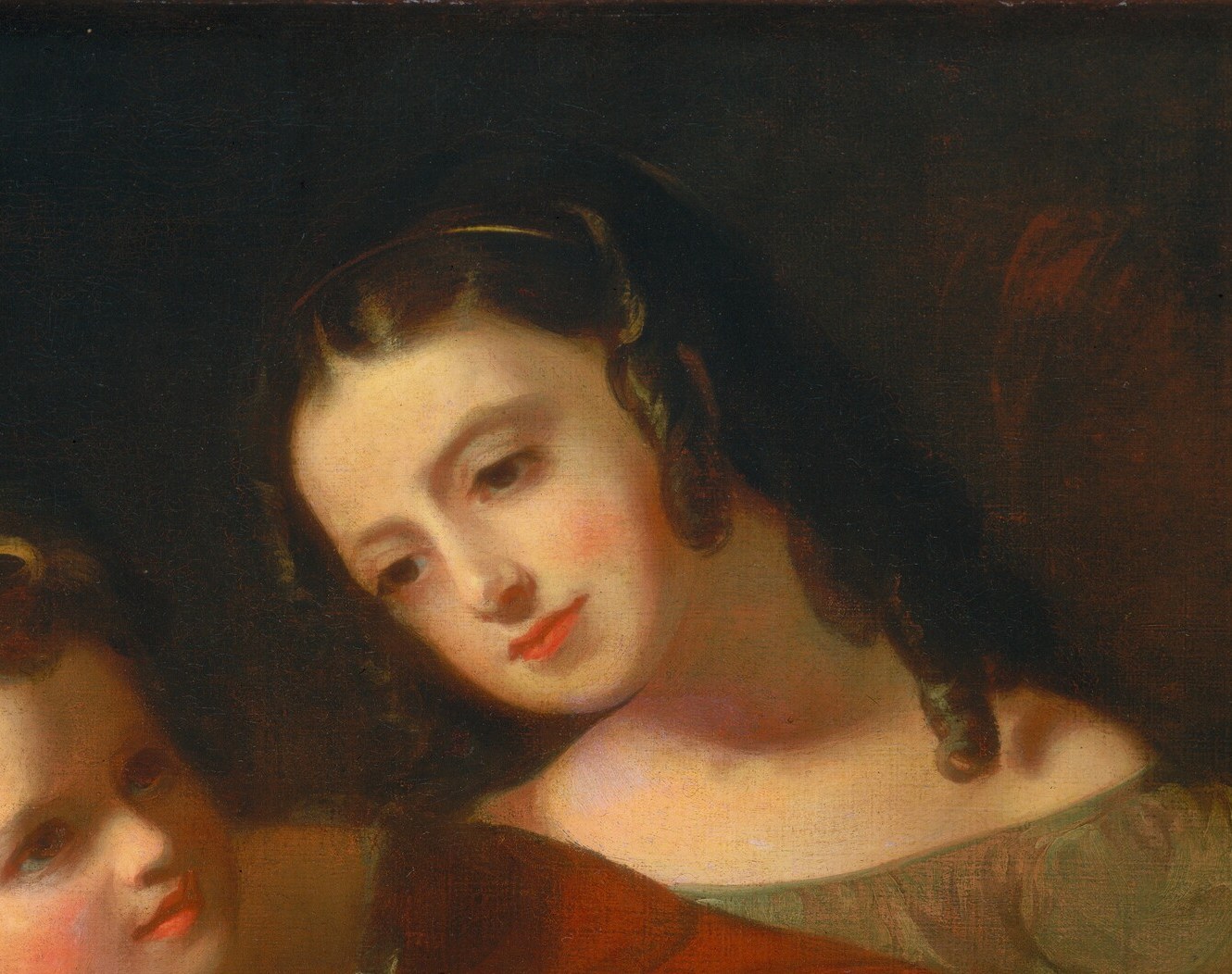
Thomas Sully's “The David Children,” painted in 1826, is more than just a sweet portrait of siblings; it's a careful composition of symbols reflecting the family’s aspirations and values.
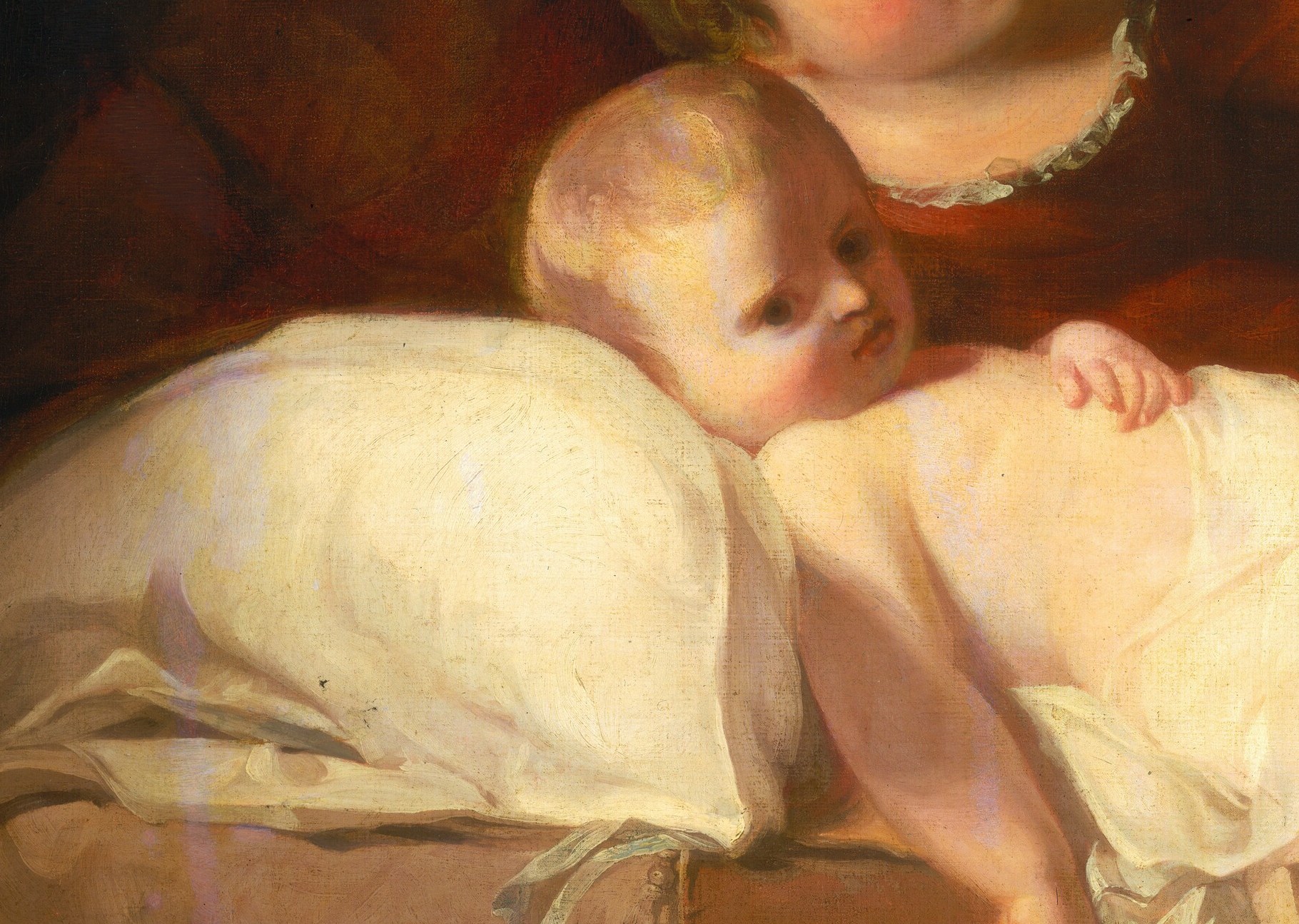
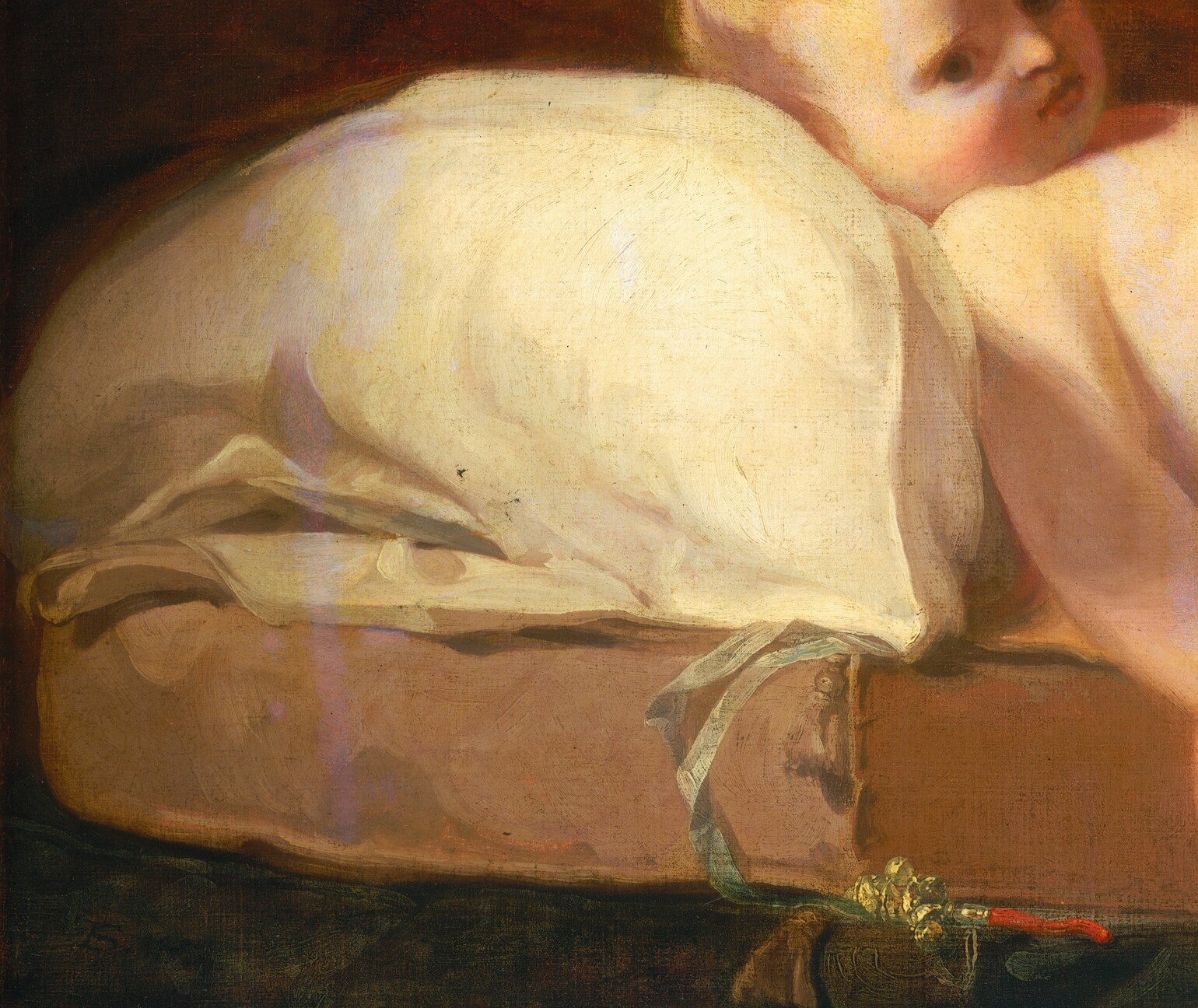
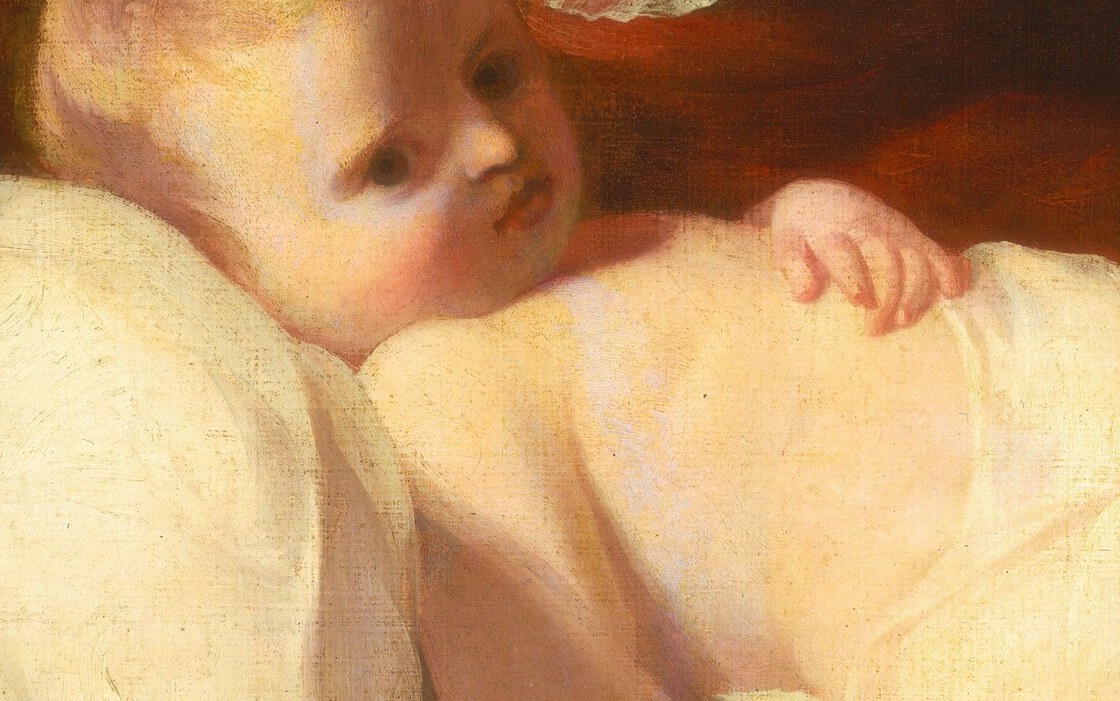
Sully, a prominent American portraitist, used elements like the infant's bare torso, echoing classical ideals of innocence and purity. The luminous white drapery beneath the child reinforces these themes of virtue, common in 19th-century portraiture.
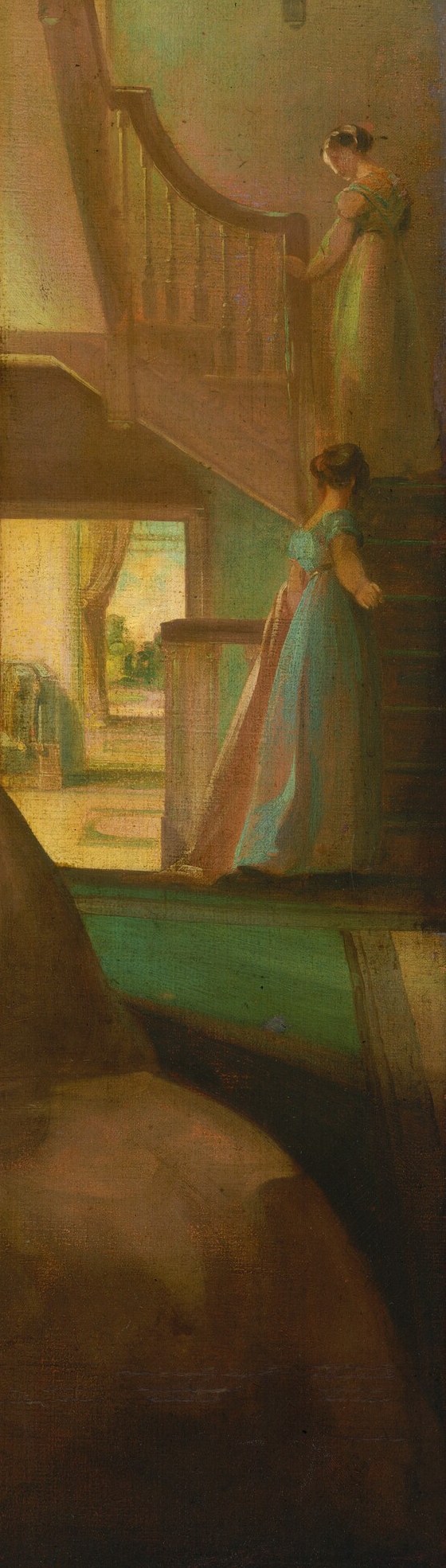
Look closely at the right edge, and you'll spot a gilded harp. This detail, often overlooked, speaks volumes about the family's cultural sophistication and social standing in 1820s Philadelphia. These subtle cues, woven into a seemingly simple domestic scene, reveal a deeper narrative about what the David family wished to convey.
It’s a reminder that even the most straightforward portraits can hold layers of meaning. What other hidden messages might artists have embedded in their work?
Details
Transcript
This portrait looks like a tender moment between siblings. But this painter often used objects to tell a hidden story. The baby's bare torso references classical ideas of innocence. This white drapery also suggests purity and virtue. And this harp signals the family's cultural aspirations. Together, they paint a picture of hope and societal standing.