Still Life by Pieter Claesz
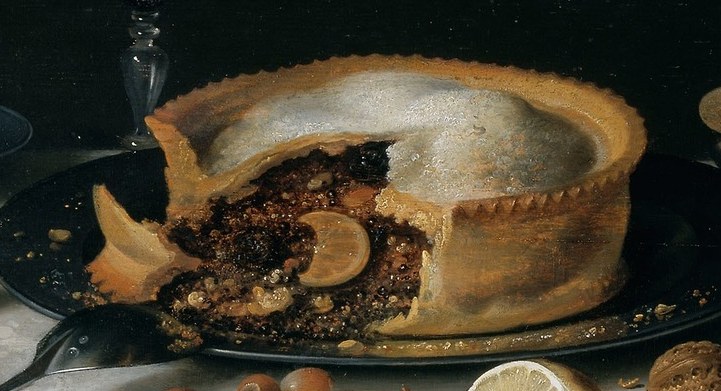
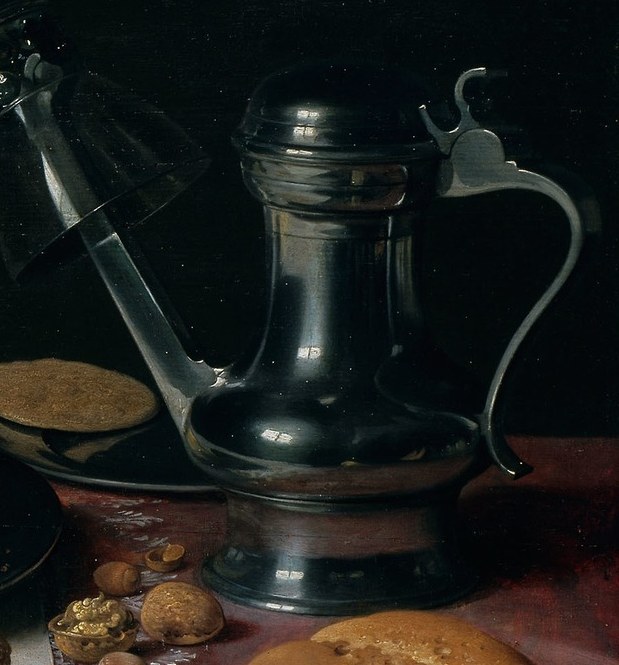
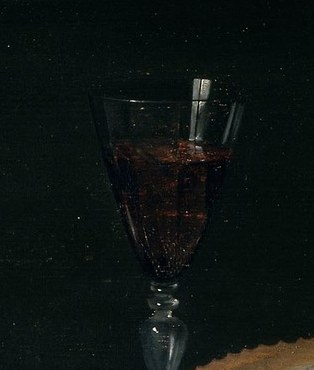
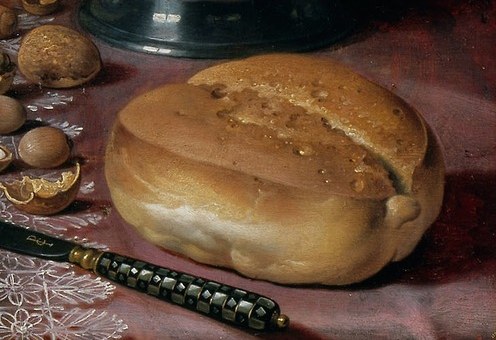
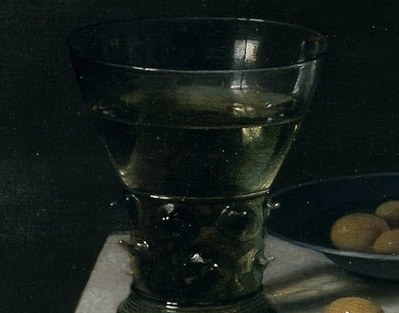
Pieter Claesz's Still Life, painted in 1625 and held at the Art Institute of Chicago, hides a tiny self-portrait of the artist at work within the painting itself.
Look closely at the polished metal pitcher near the center of the composition. In its reflective surface, a miniature figure can be seen, brush in hand, captured in the act of painting this very scene.
Claesz was a Dutch Golden Age painter celebrated for his meticulous still lifes, often depicting humble subjects with extraordinary realism and attention to texture and light. This subtle detail not only showcases his technical skill in rendering reflective surfaces but also offers a personal glimpse into the artist's presence within his work, a common device among painters of the era.
It's a wonderful example of how painters can embed themselves in their creations.
Details
Transcript
This painter was a master of everyday objects. He painted simple meals with incredible detail. Look closely at the polished metal pitcher. Its surface holds a tiny, surprising reflection. A self-portrait of the artist, at work.