The Merchant and his Wife by Marinus van Reymerswaele
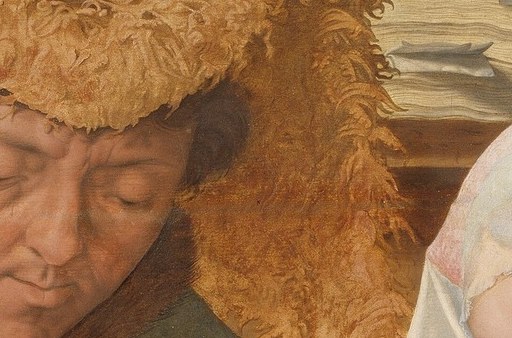
Marinus van Reymerswaele's "The Merchant and his Wife," painted around 1540, is a quintessential example of Northern Renaissance genre painting, held at the Statens Museum for Kunst. These works often subtly conveyed moral messages through detailed depictions of everyday life.
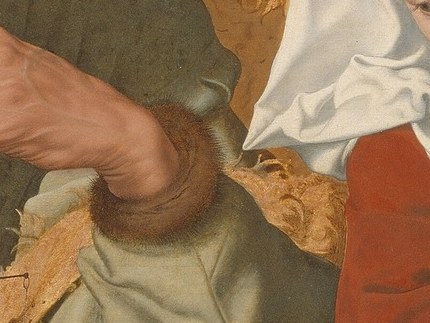
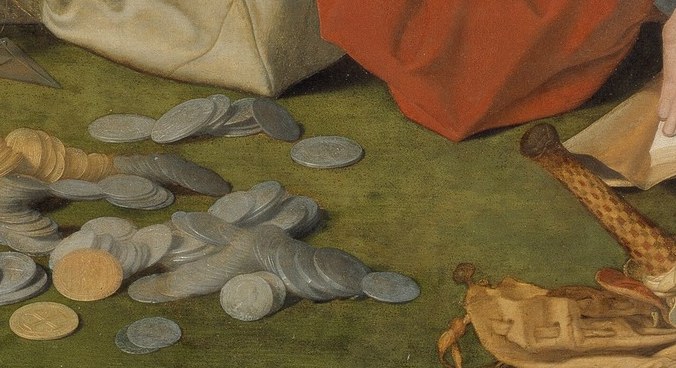
In this painting, observe the merchant's intense focus on his coins, meticulously rendered by the artist. His hands, deep in the act of counting, and the scattered money on the table emphasize his worldly pursuits and wealth.
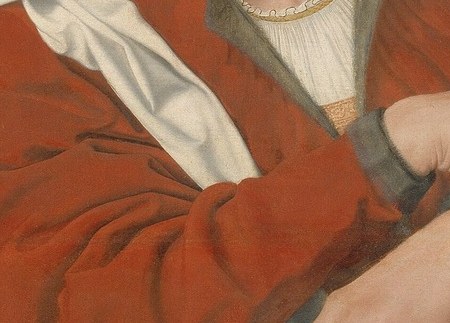
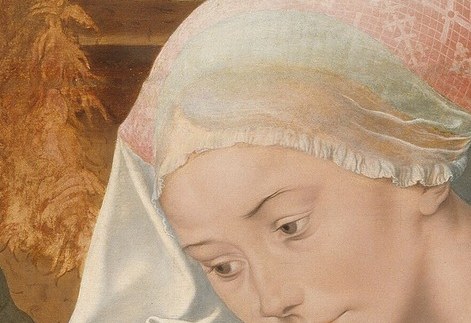
Contrast this with his wife, who gently traces lines in an open book. This detail, often interpreted as scripture or household accounts, suggests a different kind of engagement, perhaps a moral or spiritual one, offering a visual counterpoint to her husband's avarice.
Van Reymerswaele, known for his depictions of financial scenes, used such compositions to reflect the growing importance of trade in the Low Countries while also commenting on themes of wealth, labor, and domestic order. What do you think this painting is ultimately trying to say?
Details
Transcript
This painter was famous for showing everyday life in 16th-century Holland. He liked to paint merchants and money changers like this one. The merchant’s counting coins are meticulously detailed. This abundance of money warns viewers against greed. His wife, however, looks at an open book, possibly scripture. She points to a different path than his financial preoccupation. Many such Northern Renaissance paintings carried a moralizing message.