The Pool at the Jas de Bouffan by Paul Cézanne
Paul Cézanne's *The Pool at the Jas de Bouffan*, painted in 1890 and now at The Metropolitan Museum of Art, initially provoked incomprehension and ridicule from contemporary art critics.
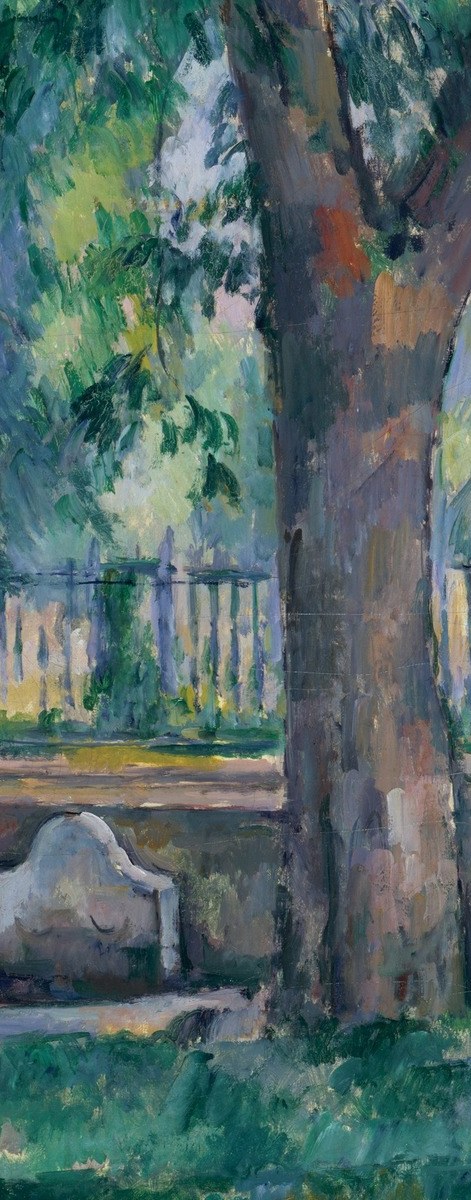
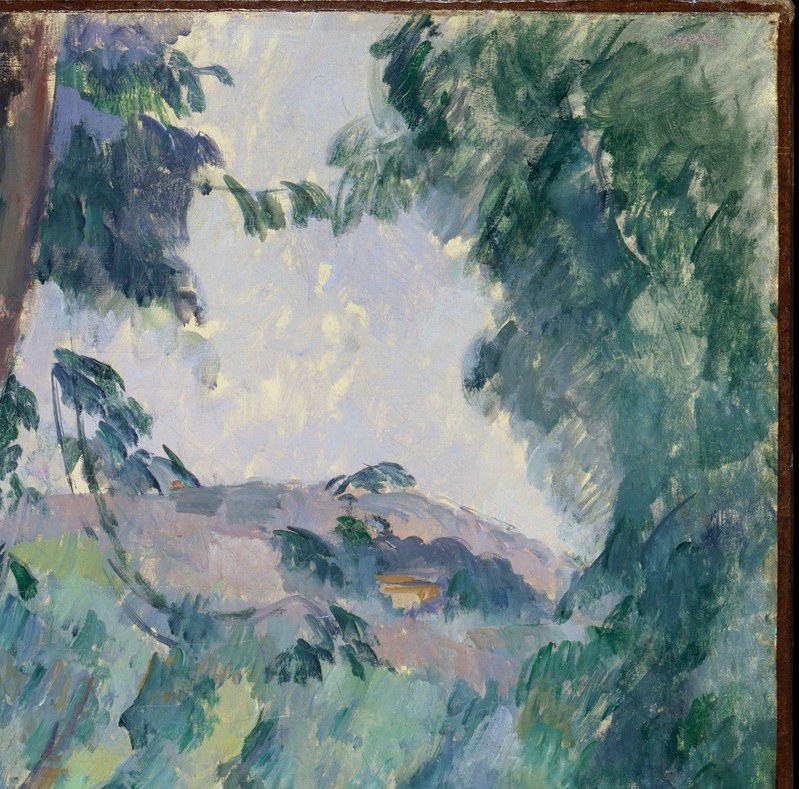
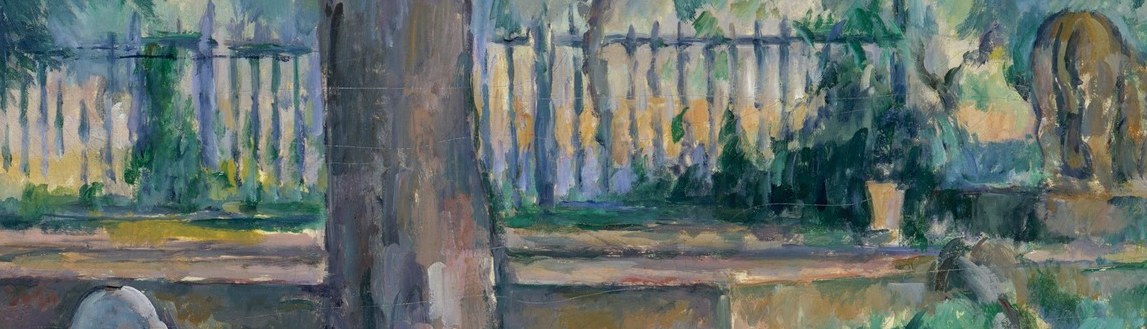
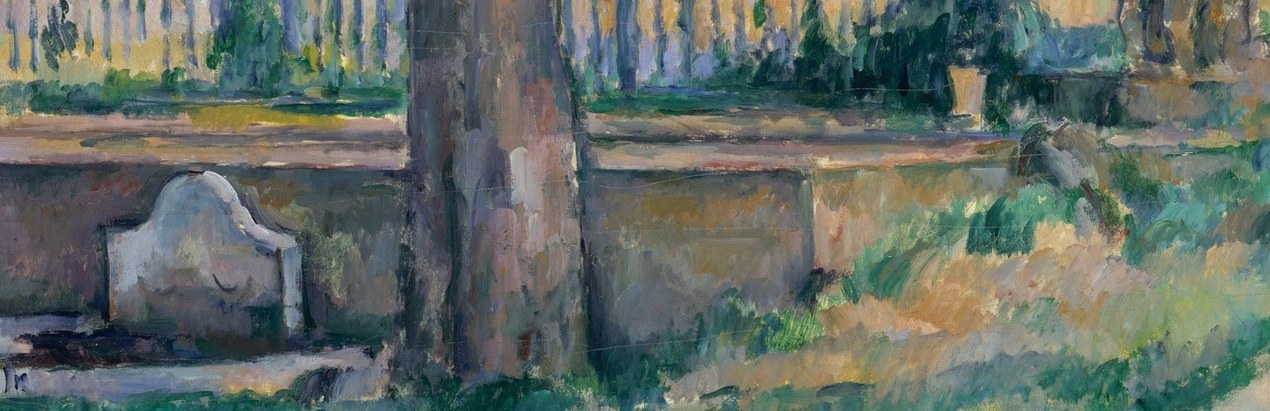
This painting, depicting the garden of Cézanne's family estate in Aix-en-Provence, embodies his radical departure from Impressionism. Notice the structured forms, especially in the tree trunks and the white fence, built with distinct planes of color rather than traditional chiaroscuro.
Cézanne's approach emphasized the underlying structure of objects, using visible, exploratory brushstrokes that were deemed crude at the time. Yet, this systematic exploration of form and color proved profoundly influential, laying the groundwork for Cubism and other modern art movements of the early 20th century.
What might artists be doing today that future generations will celebrate, even if it's misunderstood now?
Details
Transcript
This peaceful garden looks ordinary, but it broke every rule. In 1890, this painter emphasized solid form over soft impression. Look closely at the rough, visible brushstrokes on the leaves. He built forms with planes of color, not just light and shadow. Critics initially ridiculed these paintings, finding them crude. Yet, this innovative style laid the groundwork for Cubism.