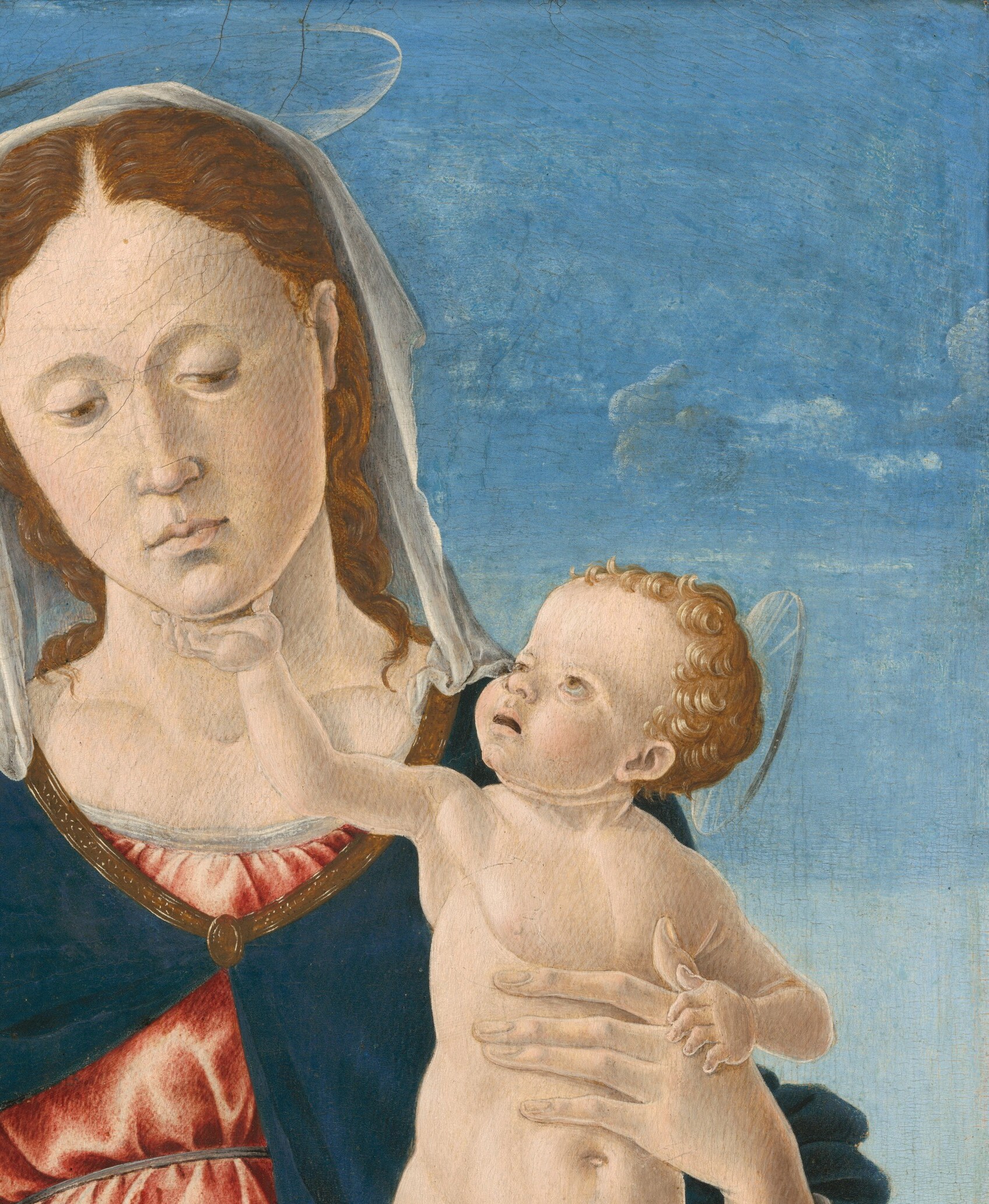
Madonna and Child by Antonello da Messina
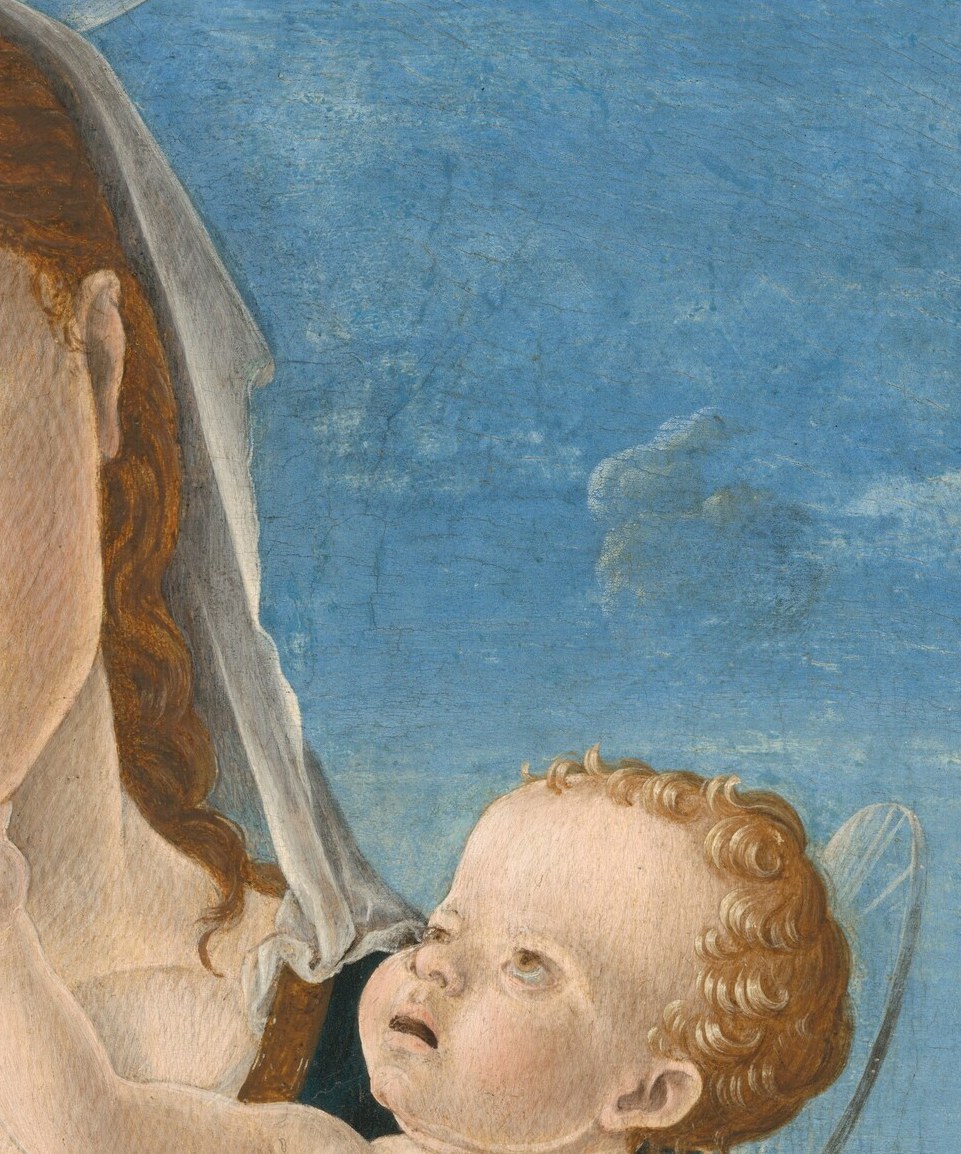
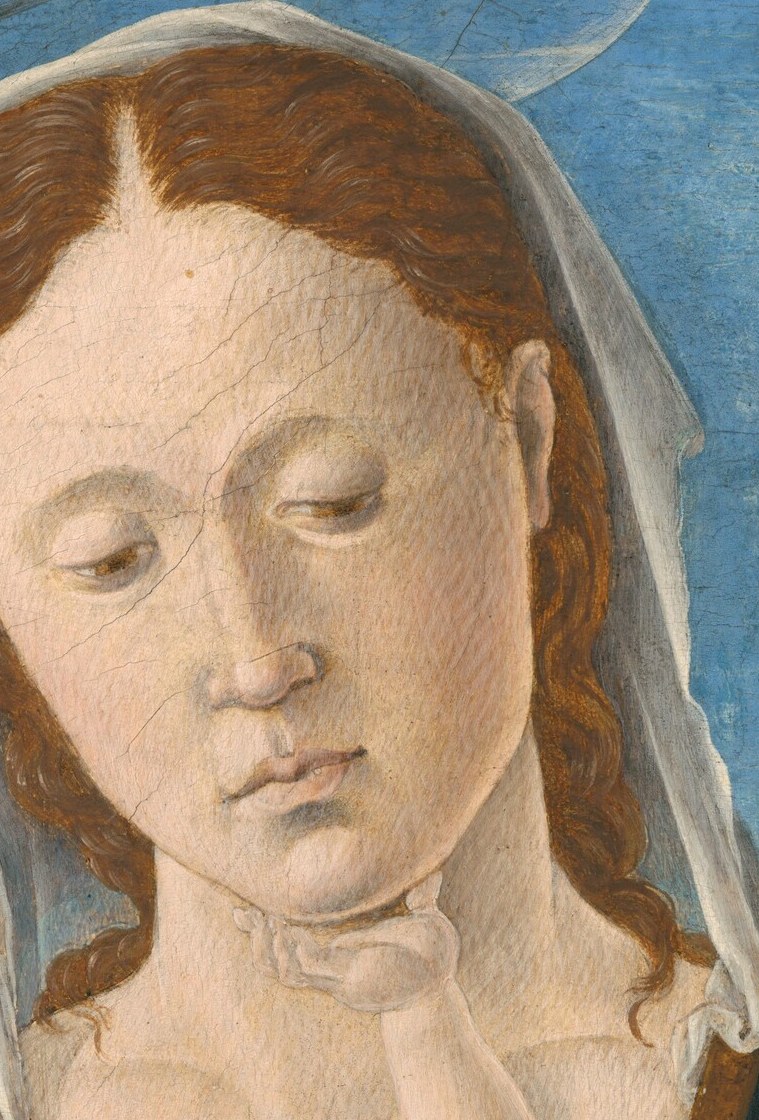
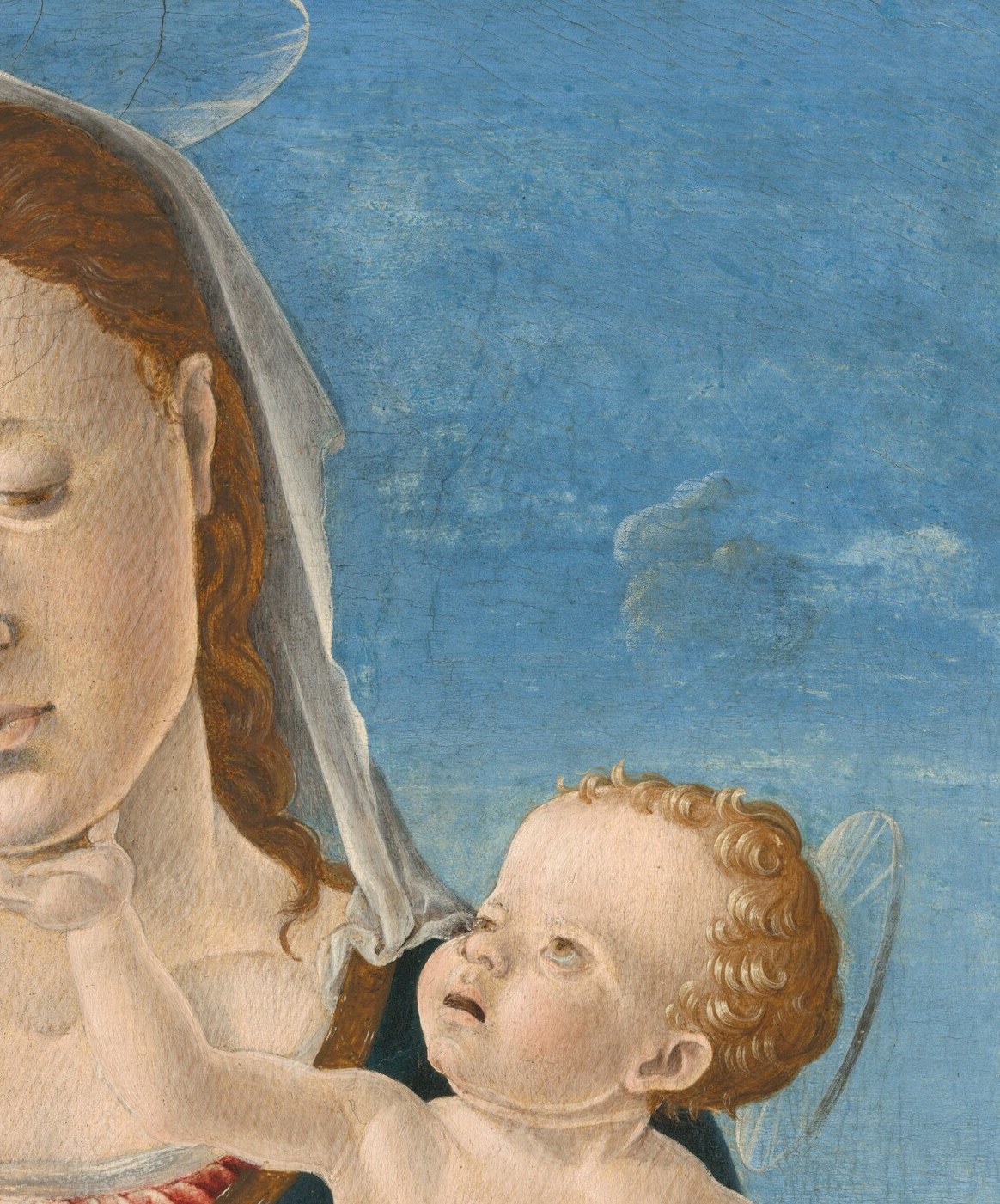
Antonello da Messina's 'Madonna and Child,' painted around 1475 and now at the National Gallery, London, is a pivotal work that introduced Northern European oil painting techniques to Italy. Unlike the flatter finish of traditional tempera, Antonello's use of oil allowed for incredibly subtle gradations of light and shadow, bringing a new sense of realism and volume to his figures.
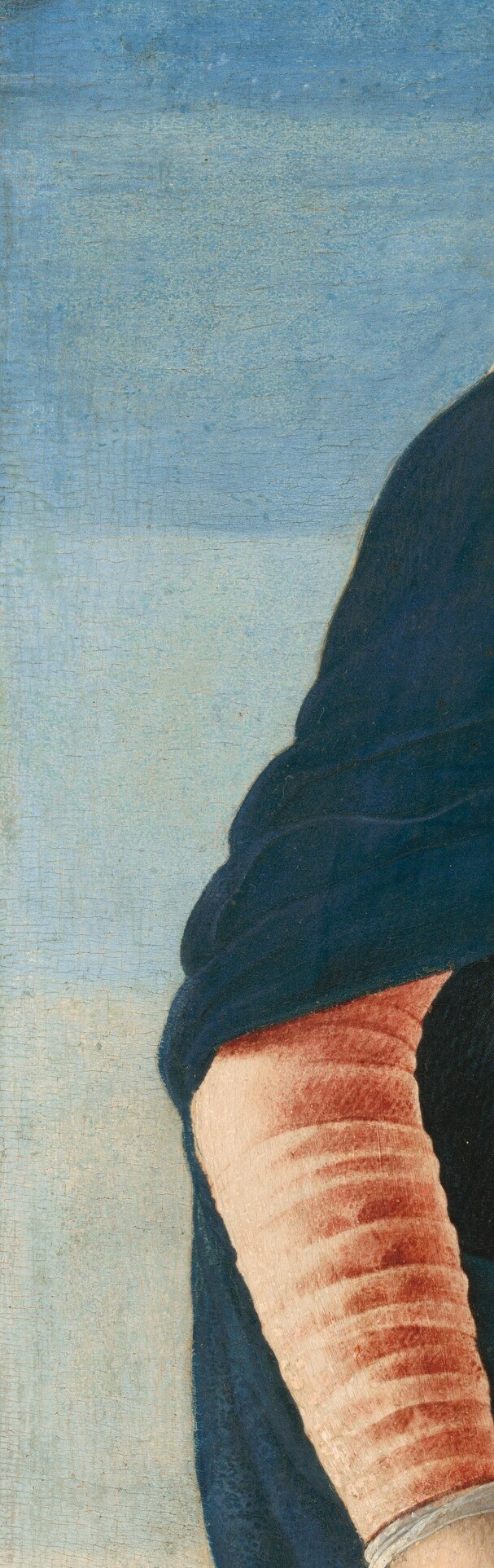
While the painting primarily focuses on the tender, intimate interaction between Mary and the Christ Child, look closely at the narrow margins. On the left, a sliver of detailed Flemish landscape opens up, revealing a world beyond the devotional figures and showcasing Antonello's unique blend of Italian compositional balance and Northern realism.
Antonello da Messina was a master of synthesis, bringing together the innovations of Flemish art with Italian Renaissance sensibilities. This painting stands as a testament to his groundbreaking approach, influencing generations of artists who followed. Have you ever noticed this detail before?
#ArtHistory #AntonelloDaMessina #RenaissanceArt
Details
Transcript
This painter brought oil techniques from the north to Italy. See how light models the Virgin Mary's face with new realism? His use of oil allowed for subtle shifts from light to shadow. Most of the painting is an intimate, sacred scene. But look closely at the left edge. A whole world of Flemish landscape opens behind them.