Album of Seasonal Landscapes, Leaf H (previous leaf 8) by Xiao Yuncong
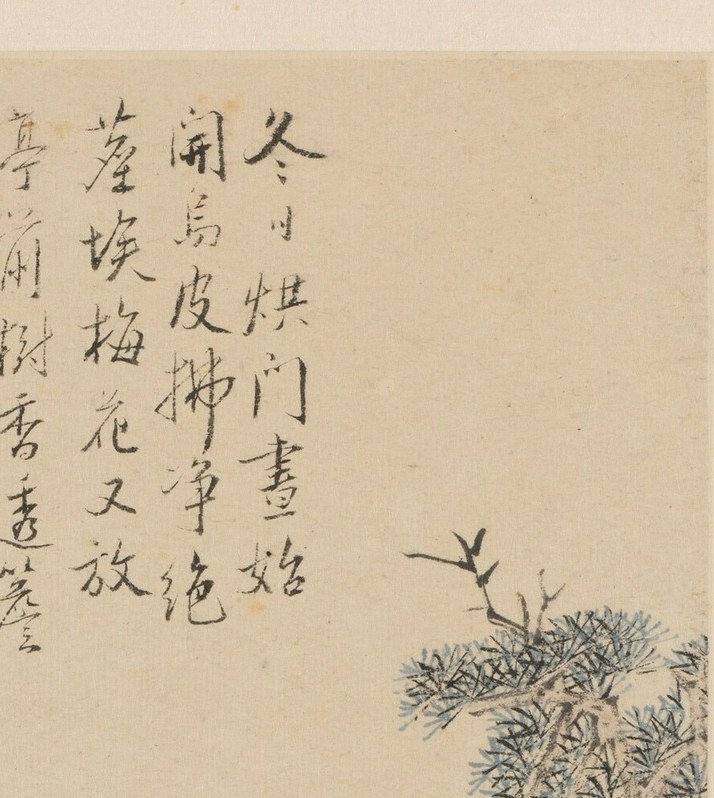
This tranquil leaf from Xiao Yuncong's "Album of Seasonal Landscapes" (1668) at The Cleveland Museum of Art showcases the artist's masterful command of ink, demonstrating how two contrasting brushwork techniques can create a harmonious, expansive scene within a small format.
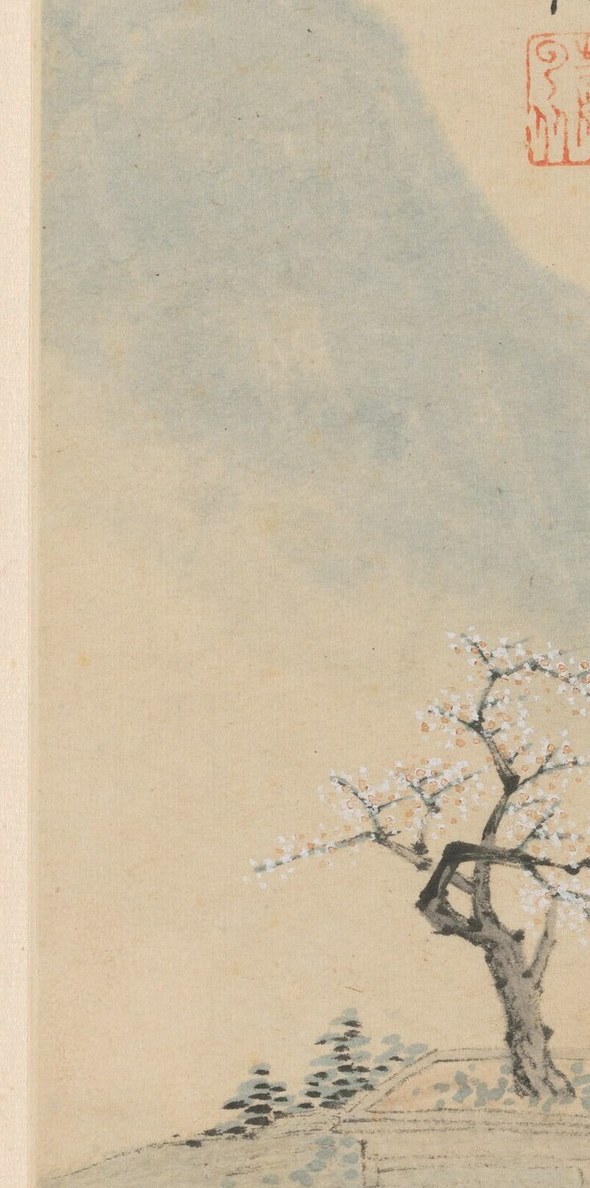
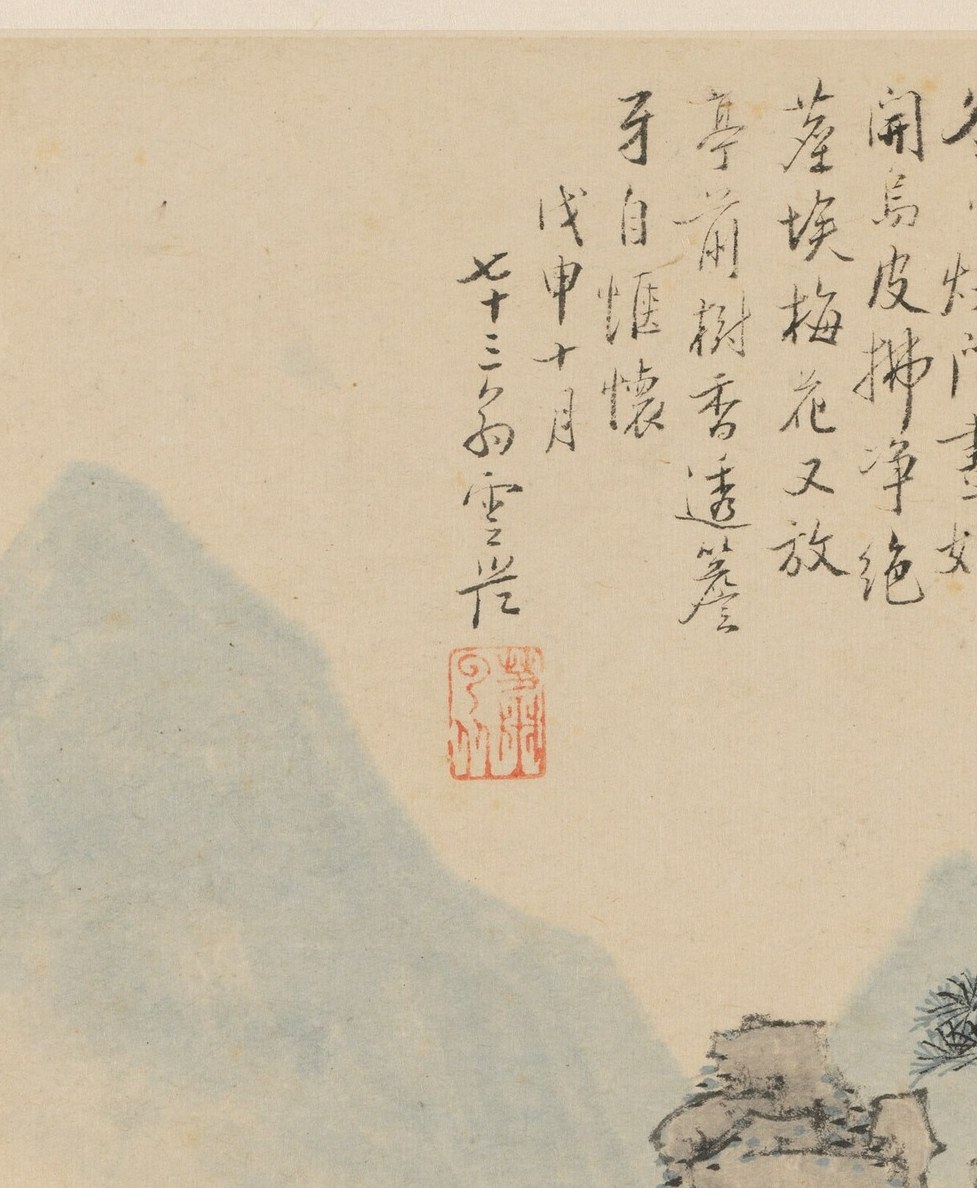
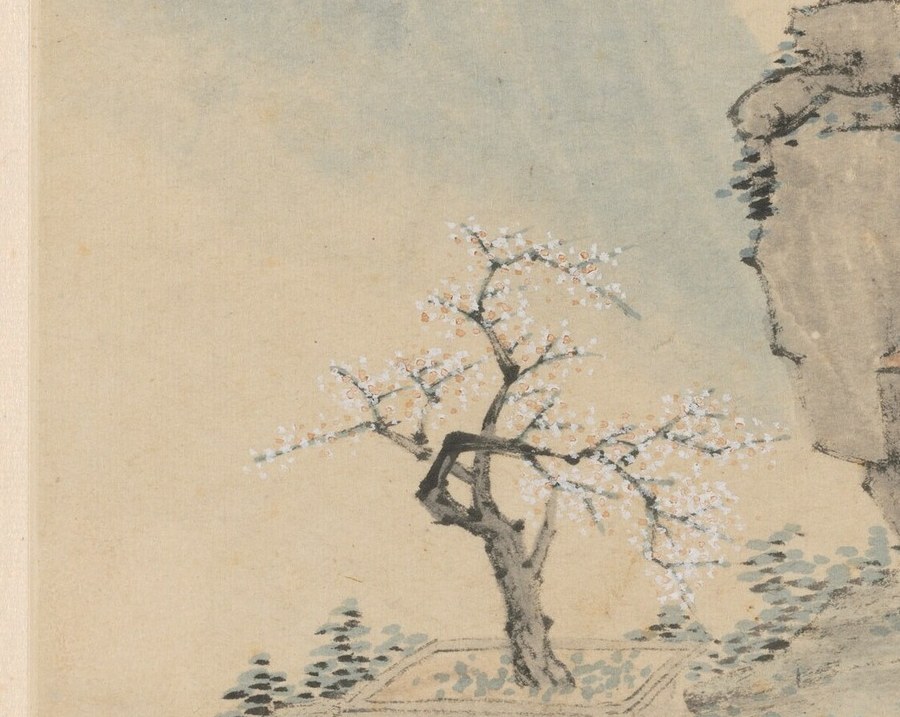
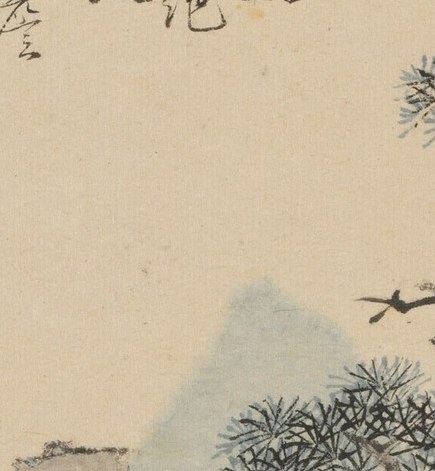
Observe the gnarled foreground tree, crafted with precise, dry-brush strokes where each line contributes to its texture, almost like a detailed drawing. Then, shift your gaze to the towering background mountains. Here, Xiao Yuncong employed a wet-on-wet technique, allowing the ink washes to bleed and blend, creating soft, atmospheric peaks that recede into a misty distance.
This deliberate juxtaposition of dry and wet brushwork is a hallmark of traditional Chinese landscape painting, illustrating how varied applications of ink can convey different textures, distances, and moods. It's a subtle but profound artistic choice that makes the painting feel both detailed and boundless.
Which technique do you find more captivating in this piece?
Details
Transcript
This album leaf, painted in 1668, is small but monumental. The artist, Xiao Yuncong, used ink to suggest a vast landscape. Look at the foreground tree, its gnarled branches rendered with dry brush. Each individual stroke builds the tree's texture, almost like drawing. Now, the distant mountains: soft, wet-on-wet ink, blurring into mist. No hard lines, just washes of ink suggesting immense space and depth. Two techniques, dry and wet, coexist to create one scene.