Meal of the Amsterdam militia by Dirck Barendsz.
Dirck Barendsz's *Meal of the Amsterdam Militia*, painted in 1566, offers a fascinating glimpse into 16th-century Dutch civic life. Now housed at the Rijksmuseum, this oil painting predates the more famous, elaborate militia pieces by decades.
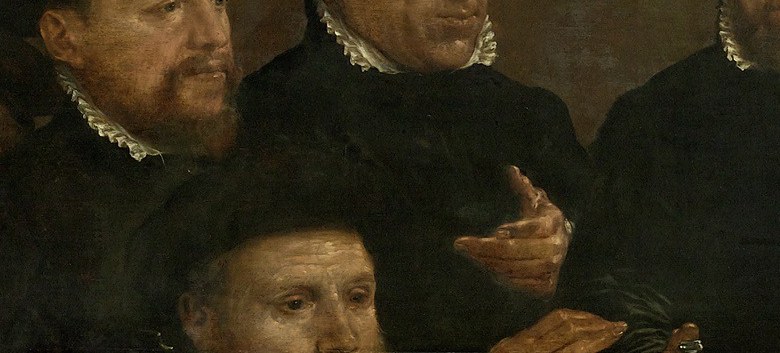
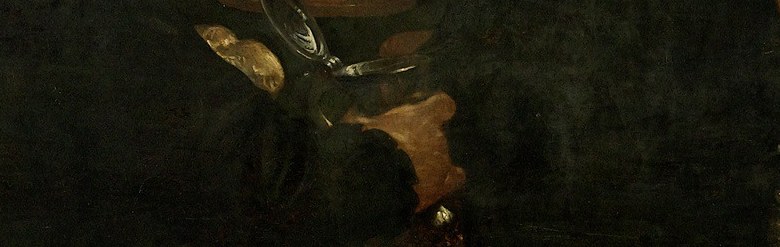
The work depicts members of the Schutterij, Amsterdam's volunteer guard, gathered around a table. These groups were vital for city defense and also served as important social networks. Notice the details, like the orange held by one man, a costly import at the time, signifying the group's affluence.
Barendsz himself was an intriguing figure, having studied under the renowned Titian in Italy before bringing his skills back to the Northern Renaissance tradition. His approach to group portraiture laid groundwork for later Dutch masters.
What details in this early militia banquet catch your eye first?
Details
Transcript
This is an early Dutch militia portrait, from 1566. It shows members of Amsterdam's civic guard, the Schutterij. They defended the city, and also served as a social club. The painter, Dirck Barendsz, trained under Titian in Italy. An orange, a luxury in 1566, suggests their wealth. These group portraits were popular, showing civic pride.