Flora by Rembrandt
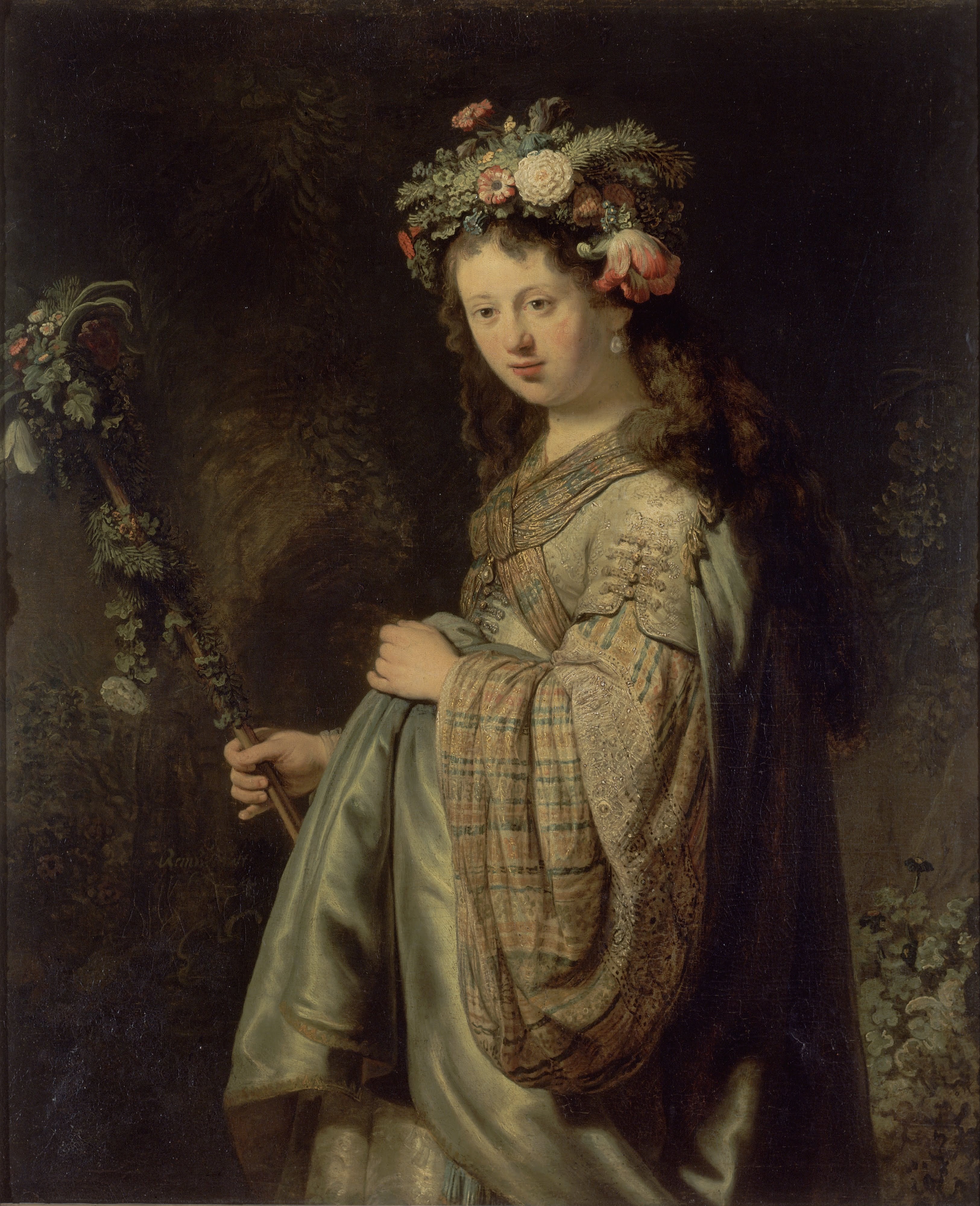
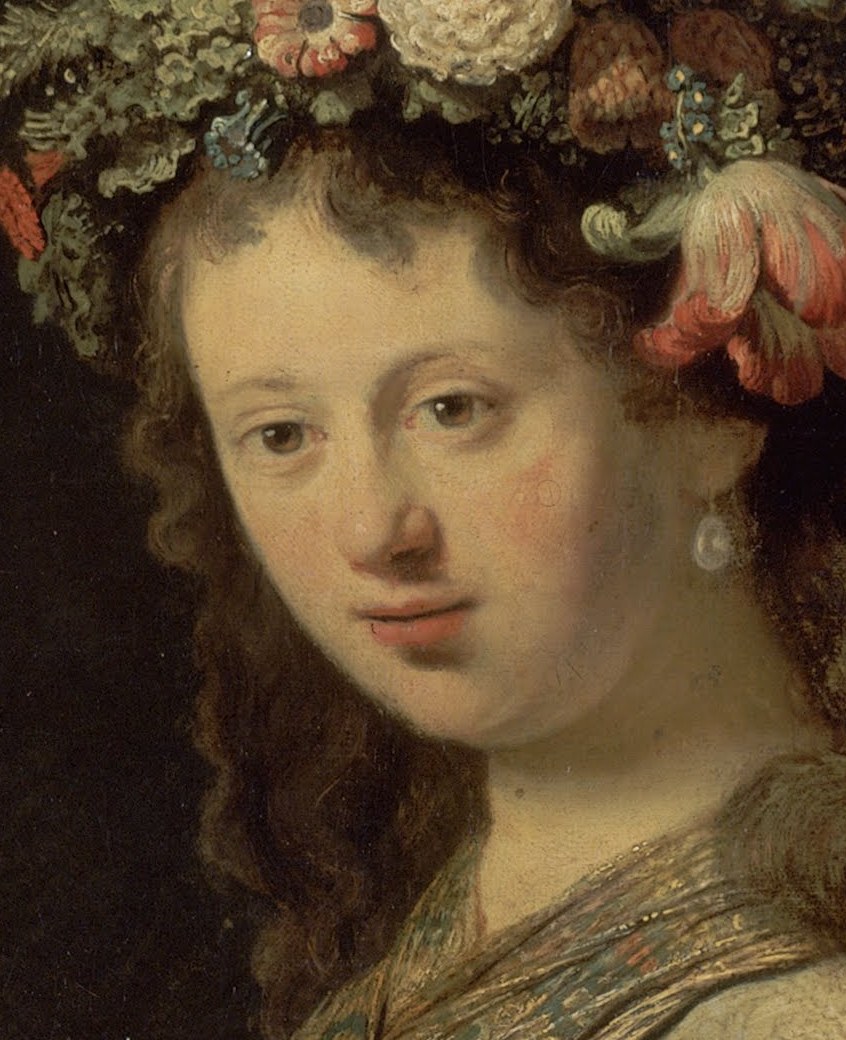
Rembrandt's 1634 painting, Flora, housed at the Hermitage Museum, isn't just a portrait of his wife, Saskia van Uylenburgh, as the Roman goddess of spring. It's a masterclass in rendering luxurious textures with paint.
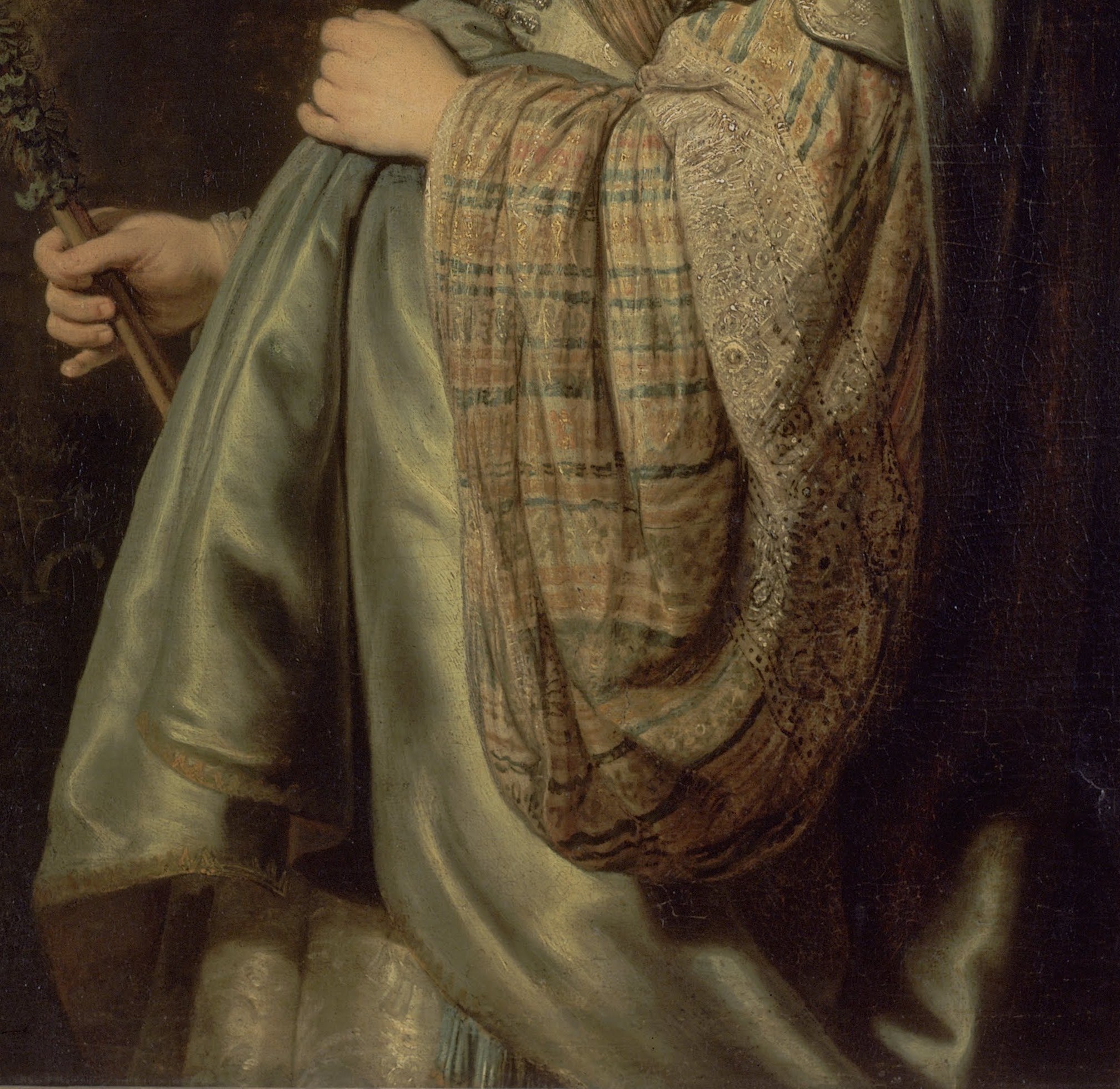
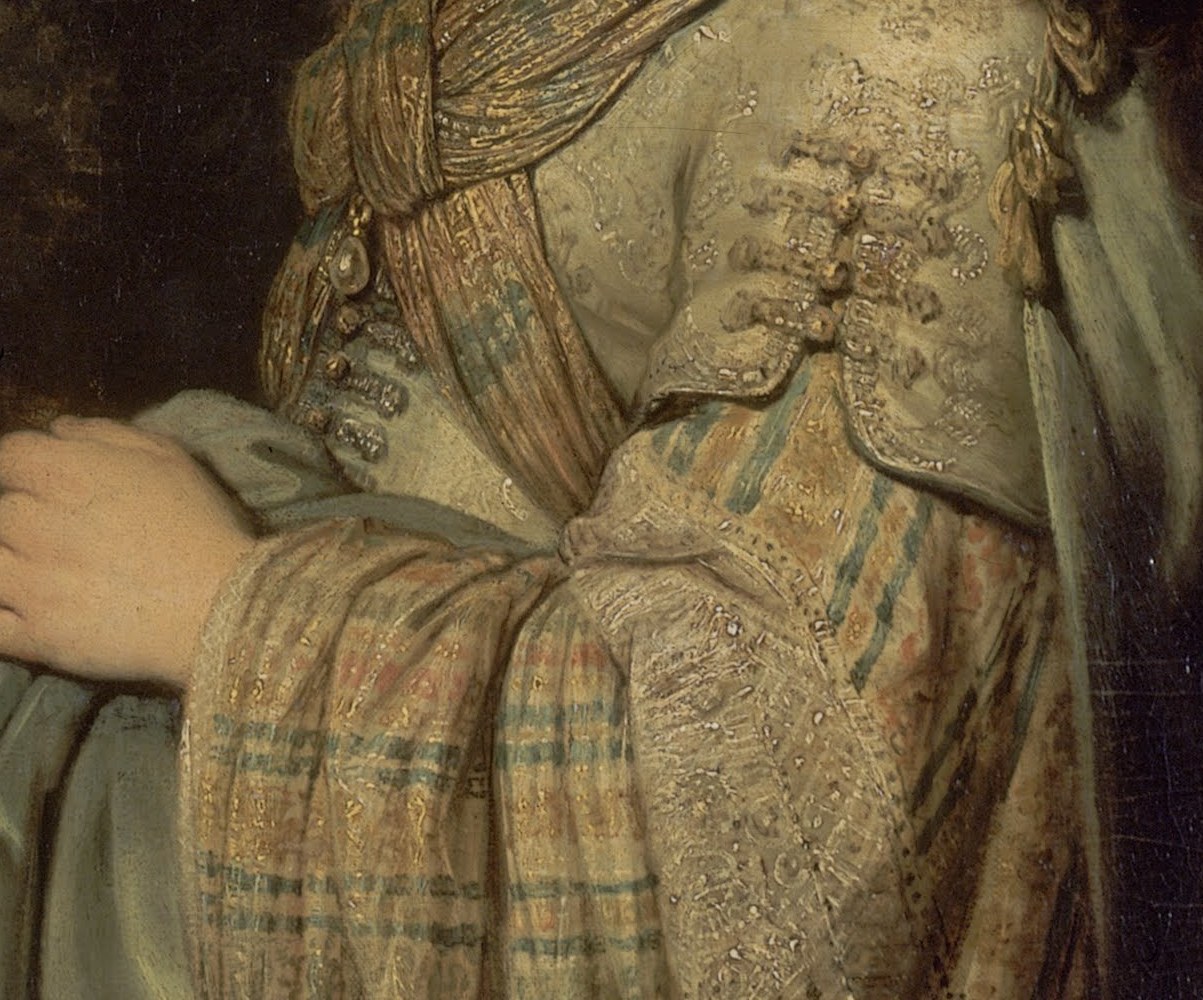
Look at the lustrous folds of her silken robe, catching the light with a remarkable, almost photographic realism. Then, turn your attention to the ornately embroidered sleeve, where every thread and bead seems to leap from the canvas.
Rembrandt's skill in depicting such intricate detail and varying material qualities with oil paint remains astonishing. He transformed a simple fabric into a dazzling display of artistic virtuosity, making us wonder how such illusion was achieved.
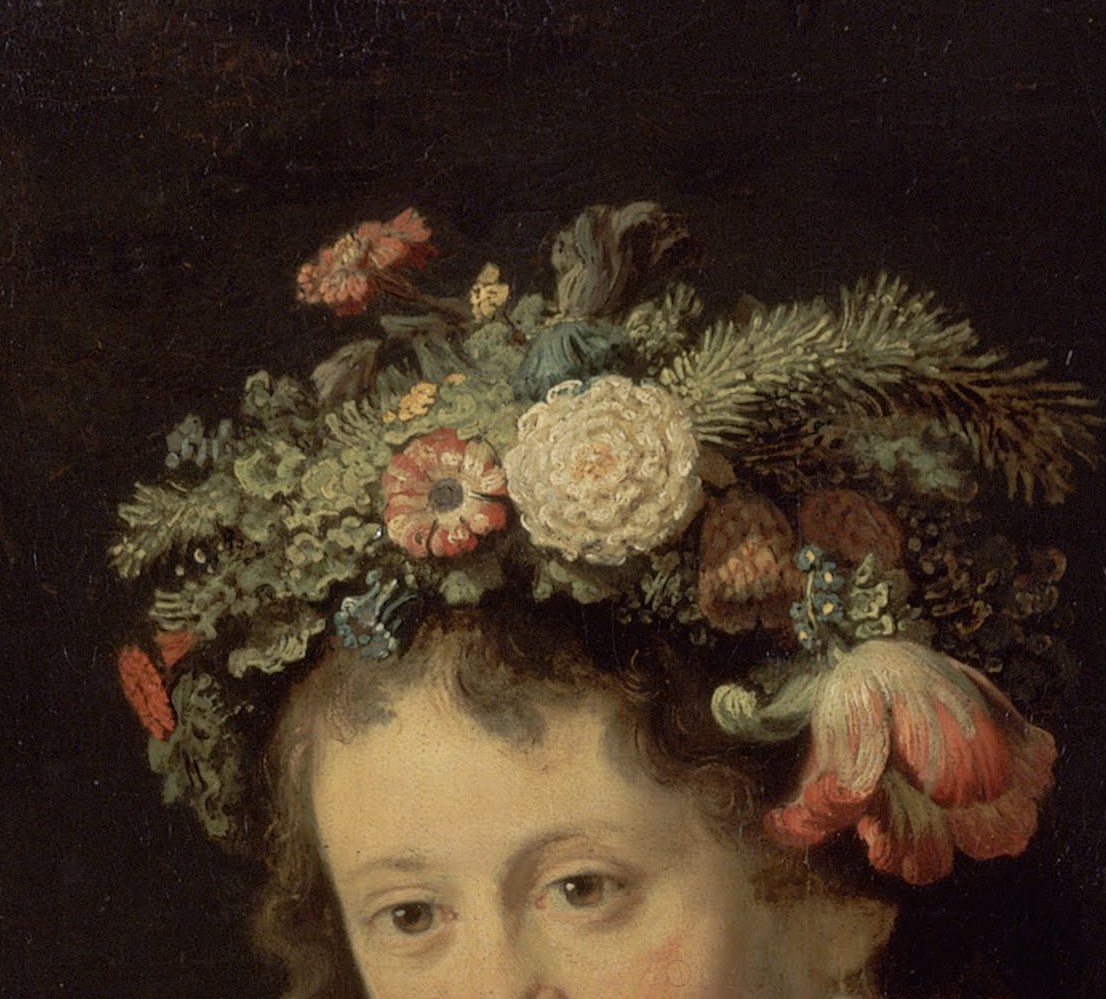
What other hidden details do you notice in her attire?
Details
Transcript
This painter shows his wife as Flora, goddess of spring. But the true subject is how light plays on fabric. He captures the flowing, luminous sheen of silk. Look closer at the intricate embroidery on her sleeve. Each stitch and thread appears almost real to the eye. It shows his command of texture, even in thick oil paint.